Live Nation Moves to Dismiss FTC’s Lawsuit Over Ticket Prices
Let’s talk real talk — concerts should be about the music, the energy, the community. Not fighting with red tape, confusing fees, and ticket battles that make fans feel like they’re up against Wall Street. So when Live Nation and Ticketmaster asked a federal judge to toss out the ticket pricing lawsuit the Federal Trade Commission (FTC) and seven states filed against them last year, it wasn’t just another legal footnote — it was a bold, strategic move in a fight that impacts every fan who’s ever refreshed a ticket page at 3:01 PM PST and lost.
What’s the lawsuit all about?
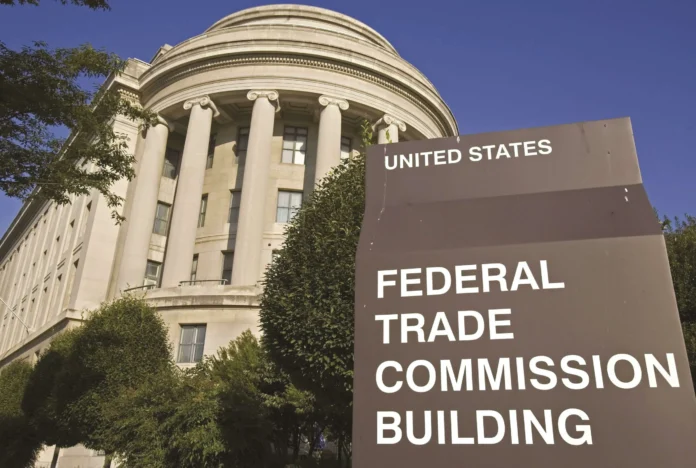
Back in September 2025, the FTC accused Live Nation and Ticketmaster of enabling ticket scalpers to jack up prices on the secondary market and of deceptive pricing practices — things like advertising a lower ticket price and only revealing huge fees at checkout, and supposedly letting brokers bypass limits and buy huge blocks of tickets to resell at massive markups.
From the FTC’s perspective, this was more than bad optics — it was illegal: violations of the Better Online Ticket Sales Act (BOTS Act) and federal consumer protection laws meant to keep ticket access fair for real fans.
Live Nation’s counter punch: Agency overreach
On January 6, 2026, Live Nation and Ticketmaster’s lawyers filed a motion arguing that the FTC’s case is literally applying the law in an unprecedented way — that the BOTS Act was meant to protect ticket issuers from bots, not to hold a ticketing platform liable for the actions of third-party resellers using the platform. That’s a big distinction. If the judge buys that, it could throw the whole lawsuit out.
Live Nation’s team says the FTC is asking the court to stretch the law far beyond what Congress intended, creating liability just because brokers used multiple accounts or tools to buy tickets. The company insists — loudly — that it doesn’t “sell or offer to sell” resale tickets itself, it provides the marketplace where buyers and sellers meet, and therefore shouldn’t be blamed for broker behavior.
But what about fans?
Here’s where the tension gets real. Fans do care about pricing transparency. They care about surprise fees. They care that tickets to experiences they live for don’t cost more than the value of the show itself — or that bots and brokers snag the best seats before ordinary people ever have a shot.
And while Live Nation argues that the motion is about how the law is interpreted, underneath it is a broader debate:
Who protects the fan? What counts as fair access? And how much responsibility does a dominant ticketing platform have when scalping tactics are widely known and still profitable?
For artists, promoters, venues, and especially fans, the stakes are huge: the outcome could change how tickets are priced, how transparent fees must be, and how scalable — or protected — ticketing markets really are.
So what happens next?
Live Nation’s request to dismiss the FTC’s suit is now in the court’s hands. If that motion gets denied, we’re looking at a full legal battle where the definitions of deception, resale liability, and fair access could be reset. If it is tossed out — that’s a win for Live Nation’s legal strategy, but likely just one chapter in a long story about pricing, platforms, and power in live music.
One thing’s for sure: fans will be watching — and maybe waiting for justice that’s as transparent as the ticket price should’ve been in the first place.