Tommy Phillips Explains How Access Has Changed DJing
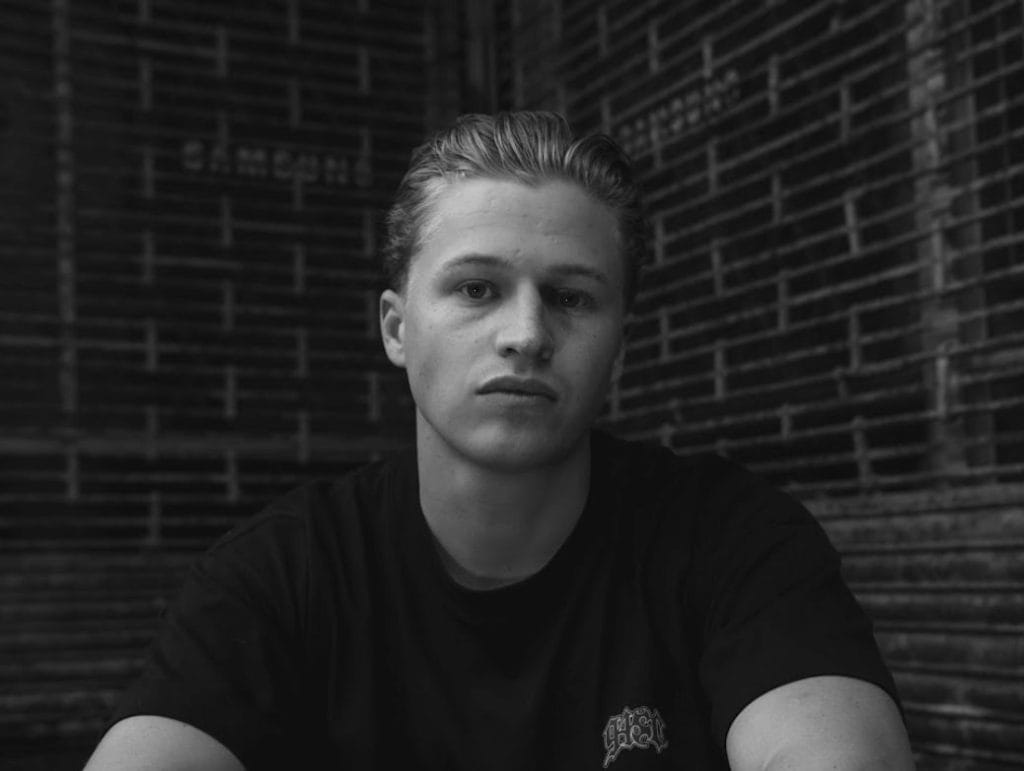
Tommy Phillips has entered the current club landscape during a period of rapid change, where technology, access, and audience behavior continue to reshape how DJs connect with dancefloors. As his profile grows through releases, touring, and club performances, he has gained a clear view of how these shifts affect energy, pacing, and expectation inside the room. His experience reflects the realities facing a new generation of artists navigating modern club culture.
With releases charting globally and consistent support from established names, Phillips has built momentum through focused production and strong club presence. His path from early digital DJ tools to high-end booth setups mirrors the wider changes in access to music and equipment. These developments have lowered barriers to entry while placing greater emphasis on taste, judgement, and identity behind the decks.
In this interview, Phillips discusses how club environments have evolved, how technology has redefined technical skill, and why musical restraint matters more than ever. He also addresses how accessibility has influenced creativity, how audiences engage with dancefloors today, and what elements of earlier club culture remain worth preserving.
Connect with Tommy: Facebook – Instagram – Spotify – Soundcloud
Interview With Tommy Phillips
What’s the biggest change you’ve seen in the club environment over the last ten years?
The biggest change for me is the presence of phones and how much they influence the atmosphere in clubs. Social media has created huge opportunities for artists, and I have seen careers take off from a single clip filmed on a dancefloor. Moments that once lived only in the room can now travel worldwide, which has helped bring club culture to a much wider audience.
That said, there is a downside. Some nights you can feel people watching the party instead of being part of it. When too many people are focused on filming, the energy can feel restrained. The best parties I play are still the ones where people forget about their phones and fully commit to the moment. That connection between DJ and crowd becomes far more powerful. I think the challenge now is finding balance, using technology to amplify the culture without losing the magic that made clubbing special in the first place.

Has the energy of the dancefloor shifted in a way that you feel when you play?
Yes, I definitely feel a shift, but it really depends on the party and the crowd. There are still rooms where the energy feels timeless, where people are fully locked in and open to the journey from the first record. In those moments, nothing feels lost.
Other times, the energy builds more slowly. Some crowds take longer to open up and need to feel comfortable before letting go. As a DJ, that changes how you approach a set. You focus more on pacing and storytelling, gradually earning the trust of the room. I actually enjoy that challenge. When it finally clicks and the crowd releases, the energy is incredibly rewarding. It reminds me that dancefloor energy has not disappeared, it has just evolved, and understanding that evolution is part of being a DJ today.

How has access to DJing equipment, music, and education changed who ends up behind the booth?
Access has completely reshaped the entry point into DJing. When I started, it felt far more exclusive. Equipment was expensive, music was harder to find, and learning usually meant spending time around other DJs. I began on a free version of VirtualDJ because I could not afford anything else, literally doing transitions with a computer mouse alongside my friends.
Now, almost anyone can download Rekordbox, buy a controller, and start mixing within days. Education is everywhere, from YouTube tutorials to online communities, which has massively sped up learning. I think that accessibility is healthy for the culture. It brings more diversity and more perspectives into the booth. At the same time, DJing is no longer defined by technical ability alone. What separates artists now is taste, patience, and identity. The booth belongs to those who offer something unique, not just those who can mix cleanly.
Do you think the bar for technical skill has shifted as DJ tech has become more accessible?
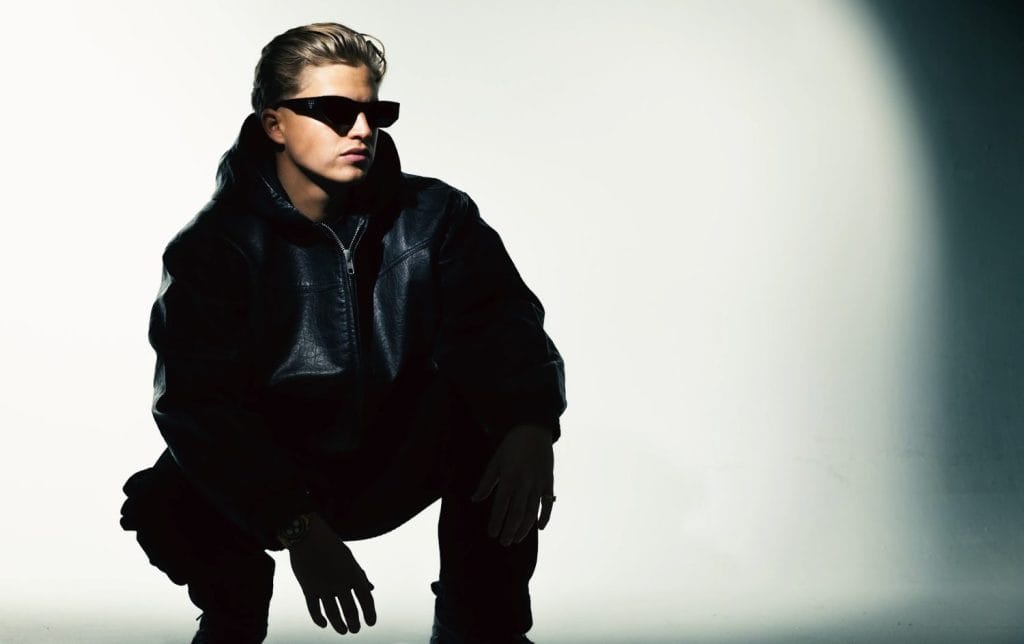
I think the idea of technical skill has shifted rather than disappeared. In the past, manual beatmatching and long blends were clear markers of experience. Now, technology handles much of that, so technical ability alone no longer defines a great DJ.
What matters more is musical judgement. Track selection, timing, tension, and knowing when to do less are the real skills. Anyone can mix two tracks smoothly, but not everyone can control a room or build a story over a full set. I also think restraint has become an underrated skill. With so many features available, choosing when not to use them shows confidence and maturity. The bar has not been lowered, it has moved. The DJs who stand out are the ones who use technology to support their musical vision rather than relying on it.
Has your relationship to gear or tech evolved, are you using tools now you never thought you would touch?
Definitely. When I first started DJing, the gear landscape was very different. Mixers like the V10 did not exist, and the level of control available now felt out of reach. Today, the V10 has completely changed how I approach mixing. The sound quality alone gives you confidence, but more importantly, it has transformed how I use effects.
The routing options allow for much more creativity while still keeping things musical. Effects feel intentional rather than overdone, and I can shape moments in a set more precisely. It has also influenced how I prepare and structure my sets, because I know I have more flexibility in the booth. For me, technology is no longer just functional. It has become an instrument that supports creativity rather than distracting from it.
Do you think easier access has created more creativity or more noise to cut through?
I think it has created both. Easier access has unlocked a huge amount of creativity. There are artists coming through with fresh ideas and influences that would not have existed without today’s tools and platforms. Music is evolving quickly because people can experiment freely and share ideas instantly.
At the same time, there is undeniably more noise. More music, more DJs, more content all competing for attention. That can feel overwhelming, especially early on. But I do not see it as a negative. It forces artists to be focused and intentional. To cut through, you need patience, consistency, and a clear identity. Trends move fast, but originality lasts. In that way, the noise almost becomes a filter that pushes stronger ideas to the surface.

What’s something about old club culture you think got lost in the rush forward?
One thing that has faded is the importance of warm up sets and musical progression. There used to be a clear understanding that a night was a journey, and every DJ played a role in building that energy. Now, there is often pressure to play peak time music immediately, regardless of the slot or context, which can flatten a night too early.
I also think respect for music has taken a hit. Ripped tracks being shared and played online has become normal for some younger DJs, and that disconnects people from the work artists put into their records. Supporting music properly used to be part of the culture. I believe that mindset is slowly returning, but it is something worth protecting as club culture continues to move forward.