Barcelona City Guide with MOSTRA Festival
Barcelona has always operated on its own frequency. While the rest of Europe’s major cities have spent the last decade chasing bigger line-ups and increasingly homogenised festival experiences, the Catalan capital has been quietly nurturing something far more interesting at street level.
For this instalment of The Local’s Guide, we handed the keys to Sara Bosch, a writer and cultural connector who knows Barcelona’s electronic music scene from the inside out. Her guide strips away the tourist veneer and takes you into the spaces, sounds and communities that give the city its pulse.
The timing feels right, too. This March, the city hosts the fifth edition of MOSTRA, an independent festival of avant-garde and experimental electronic music that has become one of the most compelling counterpoints to the mega-festival machine. Born during lockdown, MOSTRA operates as a non-profit, reinvesting every euro back into the programme. No overlapping stages, no corporate hospitality. Just over 35 hours of single-stage programming across four days, running 12th to 15th March between Casa Montjuïc and the Vall d’Hebron Olympic Pavilion, with France as this year’s guest country.
We dig deep into the perfect underground electronic music lovers guide to Barcelona
OK, with 35 hours to experience Mostra Festival, where should someone eat first? What’s the one restaurant that immediately connects you to Barcelona’s authentic character, and what local dish should they snack on between clubs and events that properly fills you up?

Depending on where you start your journey, we have two non-negotiable “rituals” to anchor your festival experience:
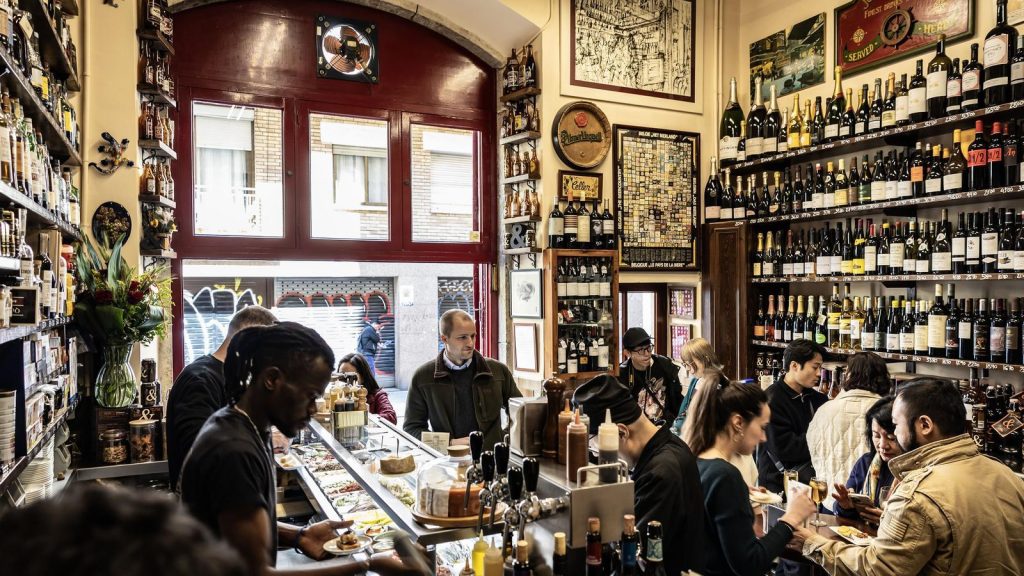
- Quimet & Quimet (Poble-sec): If you are heading to our Opening Ceremony at Casa Montjuïc, this is your mandatory first stop. It is a tiny, standing-room-only sanctuary where the walls are literally made of bottles. It represents the “verticality” and intensity of Barcelona’s old-school spirit. It’s crowded, it’s loud and it’s pure. It’s the perfect sensory bridge. The precision they put into their “montaditos” mirrors the exigency we look for in a live set. You must try the “carrillada de cerdo ibérico”. It’s a classic for a reason. Pair it with their own house beer or a glass of vermouth to set the tone for the night.
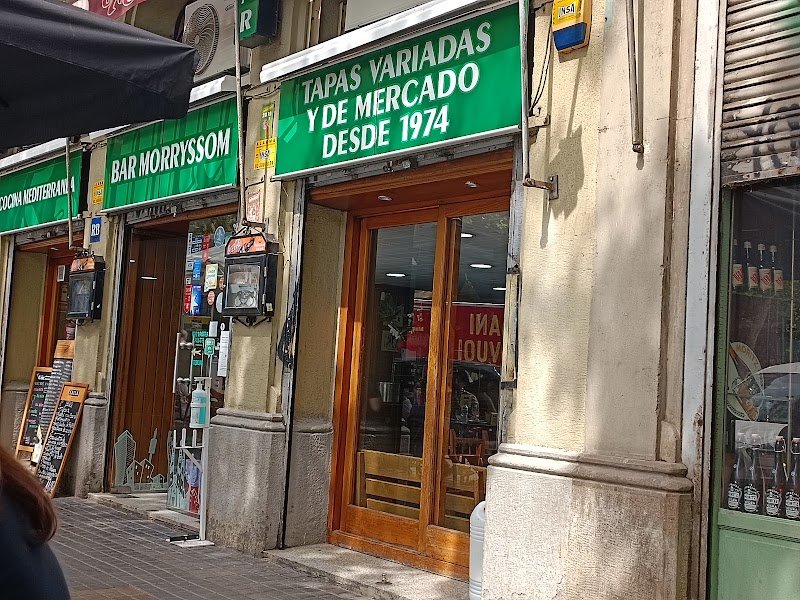
- Morryssom (Eixample Dret): A classic “chaflán” (corner) bar that has become a sanctuary for the local community. It represents the arrelat (rooted) spirit we champion: no fancy concept menus, just honest, high-quality tapas. It represents the “arrelat” (rooted) spirit we champion at MOSTRA. There are no fancy concept menus here, just honest, high-quality “tapas” served in a space that has seen decades of conversations. Sitting on their terrace is the ultimate ritual to start your festival weekend. You cannot leave without trying their tortilla de patatas or bravas (some of the best and most honest in the city).
Barcelona is famous for its small independent restaurants, can you name us three dining spots genuinely doing something interesting right now. Where does Barcelona’s evolving culinary identity feel most alive?
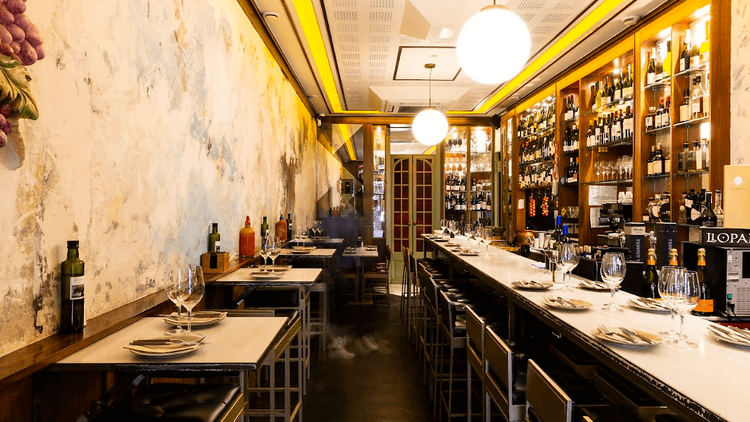
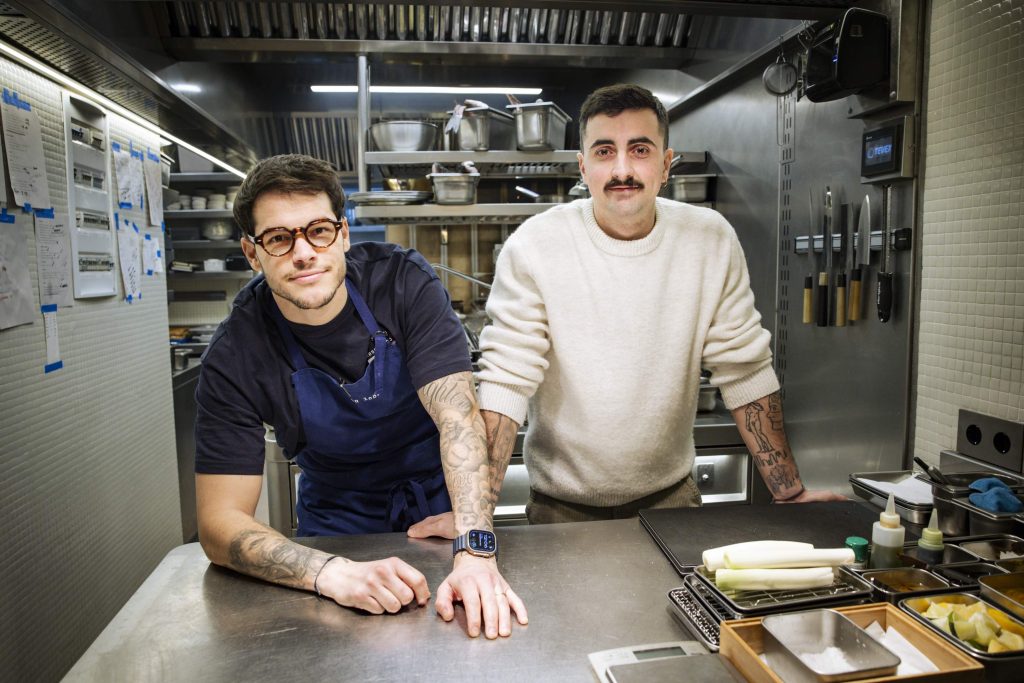
1. Denassus (Poble-sec): Born from the “school” of Xemei, Denassus was founded by two alumni who wanted to create the ultimate bar à vins with serious, high-end cooking. It’s located in Poble-sec (our home for the Opening Ceremony), making it the perfect strategic base. High-energy, communal and curated. It’s at the forefront of the “natural wine + creative kitchen” movement. They don’t follow a traditional menu structure; instead, they offer a constantly evolving list of dishes designed to be shared, emphasizing the communal experience. Denassus: Carrer de Blai, 53
2. Mesa Lobo (Eixample Esquerre): It’s a small, industrial-chic space where the culinary philosophy is “respect the vegetable, master the fire.” It feels intimate and “industry.” It’s relatively new but it avoids the “clichés” of modern fusion. Instead, it uses French and Nordic techniques to elevate humble Catalan ingredients. Watching the chefs at the high counter is the best seat in the house. Mesa Lobo: Carrer d’Aribau, 65
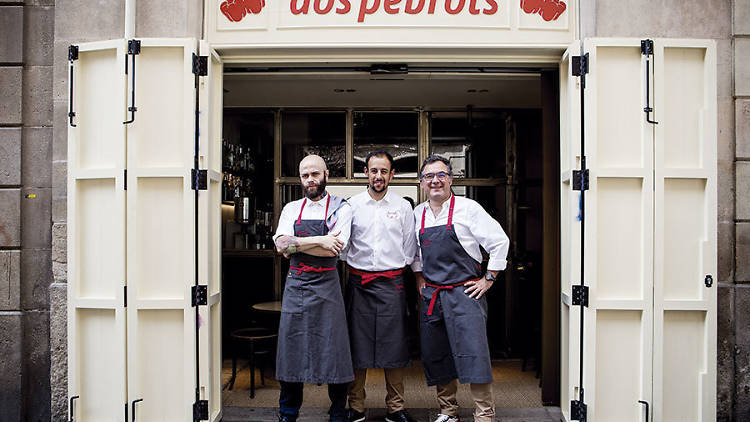
3. Dos Pebrots (Raval): Lab sitting in the heart of Raval, Dos Pebrots is the project of Albert Raurich (former Head Chef at elBulli). It’s not just a restaurant; it’s a research lab dedicated to reinterpreting 2,000 years of Mediterranean history through a contemporary lens. You eat at a stainless steel counter watching chefs work with fire, fermentation and ancient garums. It has that specific “Mesa Lobo” intellectual grit. The menu reads like a timeline: from Ancient Roman fish cures to Medieval Catalan stews, all executed with avant-garde technique. Dos Pebrots: Carrer del Doctor Dou, 19
Coffee reigns supreme for a pick me up, where do the city’s creative communities actually gather for coffee? Which cafés fuel Barcelona’s electronic music scene and provide spaces where ideas develop?
The electronic music community runs on high-quality beans. Syra Coffee is MOSTRA’s official partner and the true fuel behind our team and the local creative scene. With their focus on single-origin roasts and their “coffee for everyone” philosophy, they’ve become an essential part of the city’s daily ritual. Syra Coffee.
We love nothing more than a sit down with an incredible atmosphere whilst sipping on some amazing cocktails with friends. What are three bars that transcend mere drinking and offer complete sensory experiences. Where does atmosphere, music selection, and community come together properly?
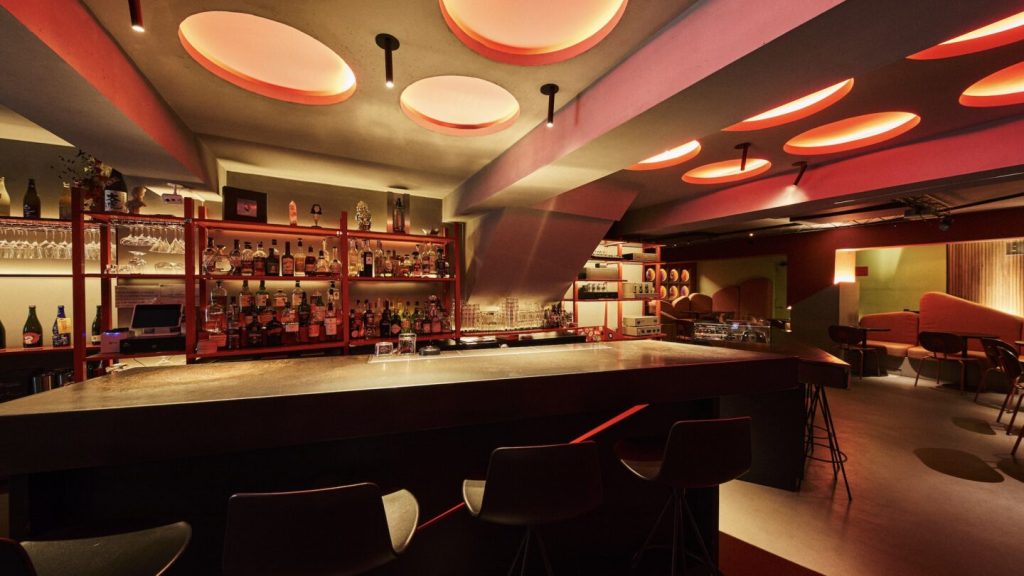
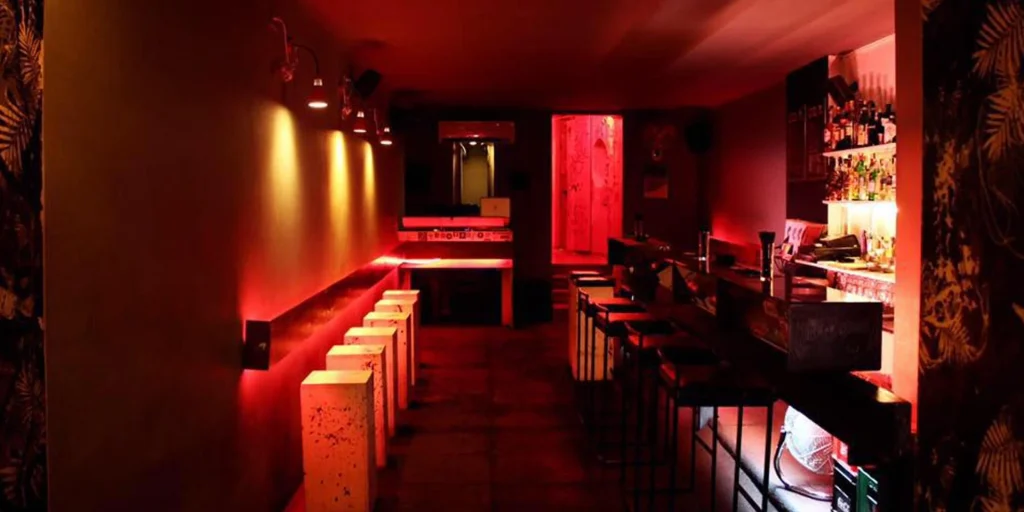
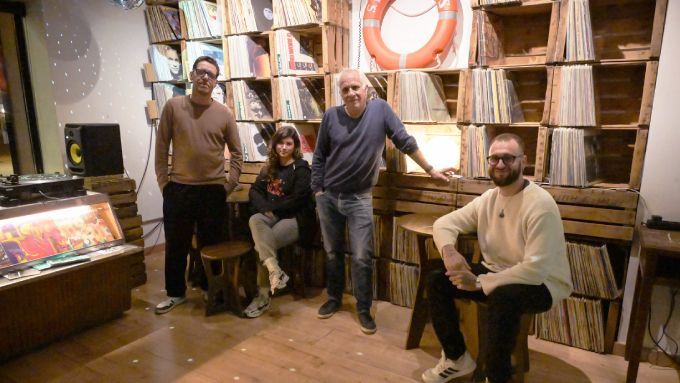
For a sensory experience that transcends a typical night out, Barcelona’s bar scene is best defined by venues that prioritize community and curation over commercial appeal.
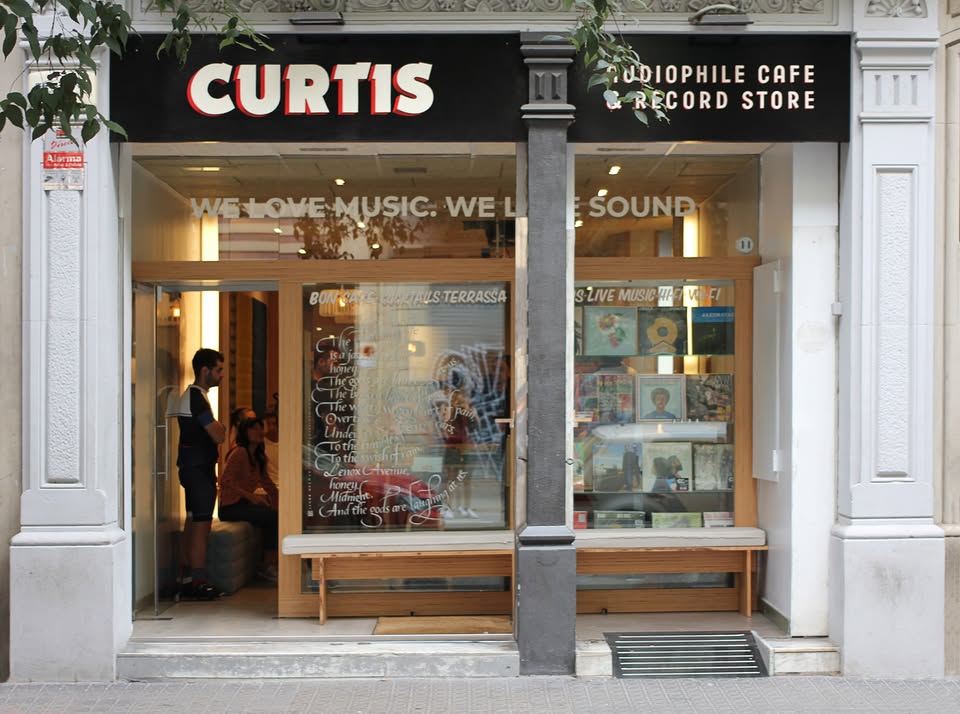
- Start at Salvadiscos in Poble-sec, a dedicated audiophile hub and vinyl sanctuary where the high-fidelity sound system and intimate atmosphere make it feel like a private living room for music lovers:
- In the heart of Gràcia, Switch Pocket Club offers a more compact, high-energy experience, blending expert electronic music selections with a sleek, minimalist aesthetic that fosters a tight-knit late-night energy:
- For a more refined and intimate auditory escape, Oblicuo Hi-Fi Bar in the Gràcia neighborhood is a premier choice that prioritizes acoustic perfection above all else. This sleek, dimly lit sanctuary is designed around a custom-built high-fidelity sound system, making it a true destination for audiophiles who want to hear every detail of a curated vinyl set. The atmosphere balances the sophistication of a high-end cocktail bar with the focused energy of a listening room:
Forget a run down touristy hotel, for someone attending Mostra Festival, which hotels or areas genuinely reflect Barcelona’s local culture and subcultural scenes? Where should visitors stay to feel connected to the underground?
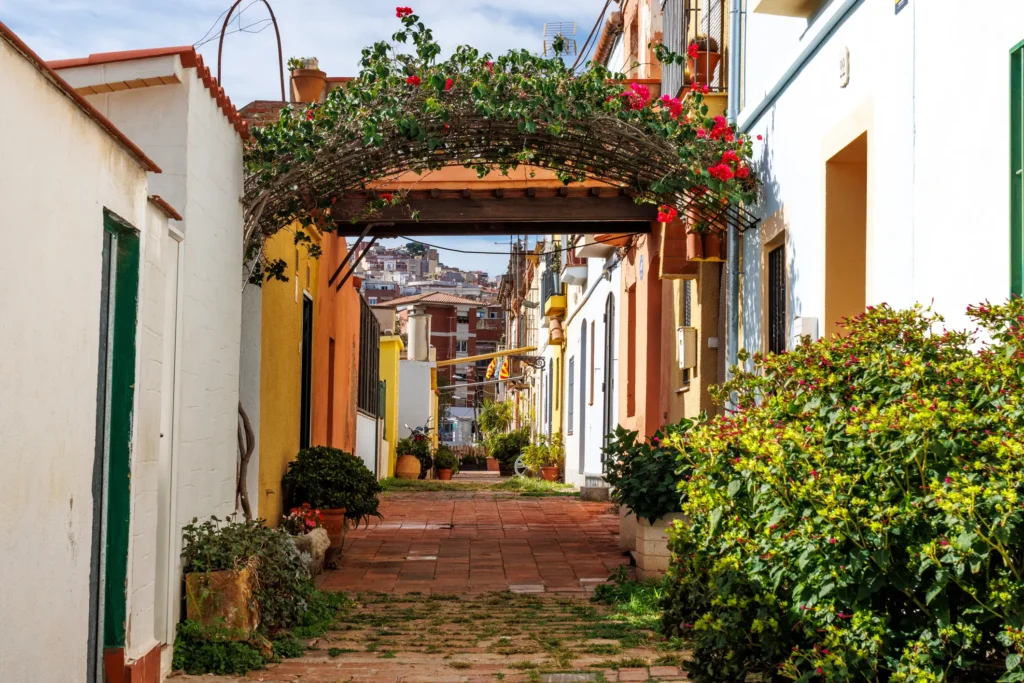
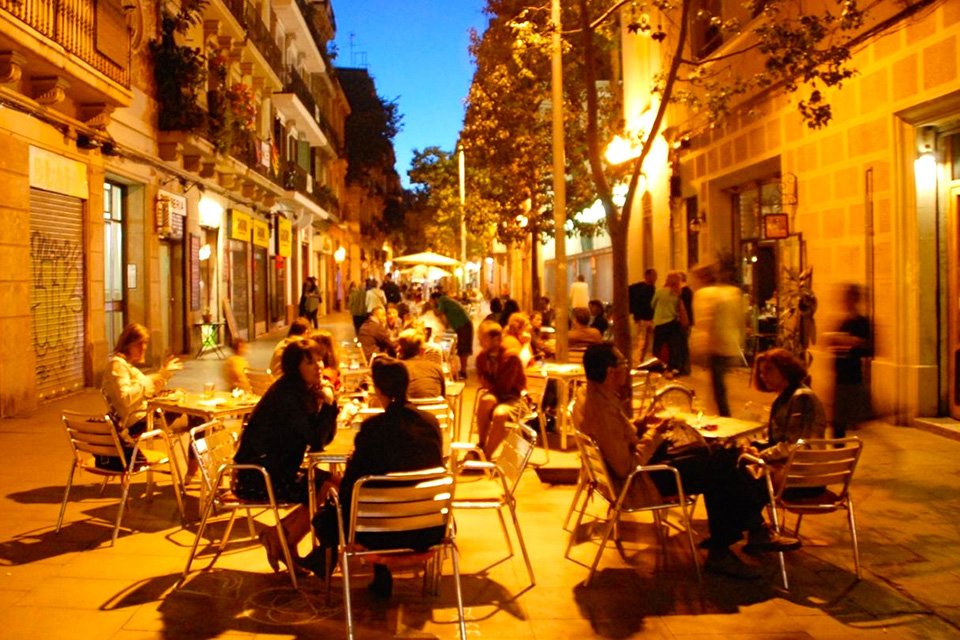
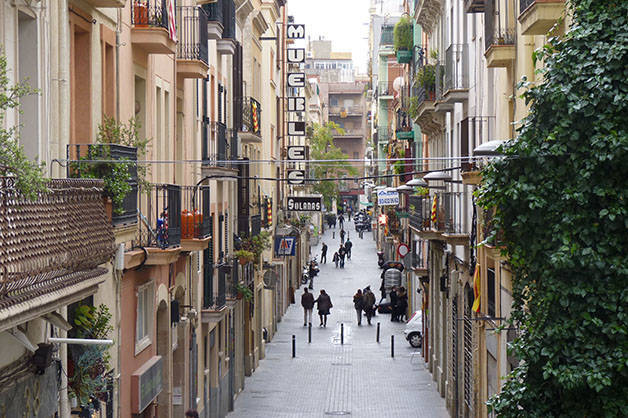
Forget the generic, soulless hotel blocks near Las Ramblas. To truly feel the pulse of the city, you need to stay where the community breathes. For the 2026 edition, we recommend two distinct vibes near our venues:
Poble-sec District: An urban oasis tucked away at the foot of Montjuïc. It’s literally minutes away from our Opening Ceremony at Casa Montjuïc. Poble-sec is arguably the city’s most exciting “bairro” right now, filled with traditional vermouth bars, narrow streets, and a very active underground club scene (like our friends at Laut).
The Horta-Guinardó District: If you want to be at the heart of the 2026 community, stay near the Vall d’Hebron Pavilion. This area is “Barcelona real”, refreshingly free from tourist hordes, surrounded by green hills, and filled with local “plazas” where life happens slowly. It’s the best place to decompress after a 12-hour session of avant-garde techno. Look for boutique apartments or local guesthouses in the Horta “old town” to experience the city’s “rooted” side.
Please consider staying in one of our accommodation partners for Mostra. They are fully aligned with sustainability practices, one of our core values, and they offer discounts for our audience. Check them out here.
Record stores are the epicentre of what’s happening in a city, can you recommend three shops still flying the flag for analogue culture in Barcelona. Where can DJs and collectors find both essential releases and rare finds?
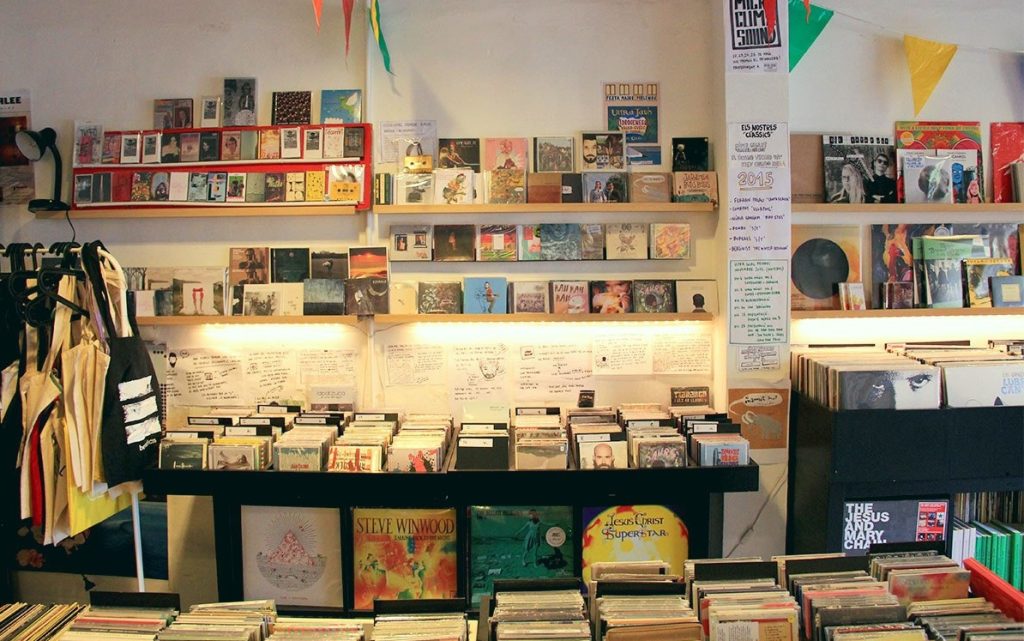
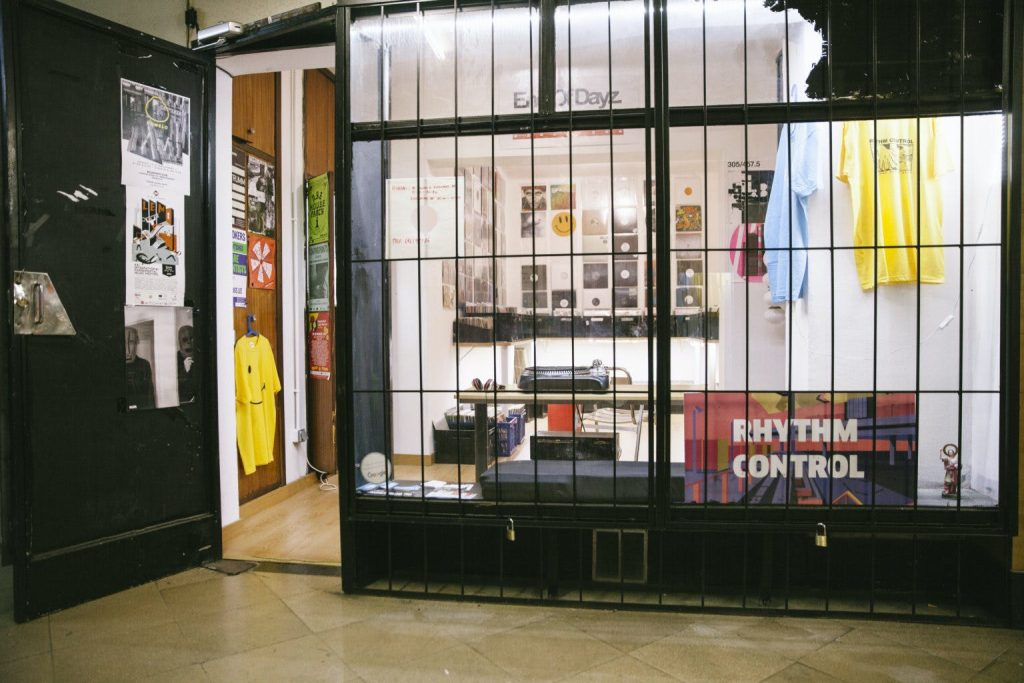
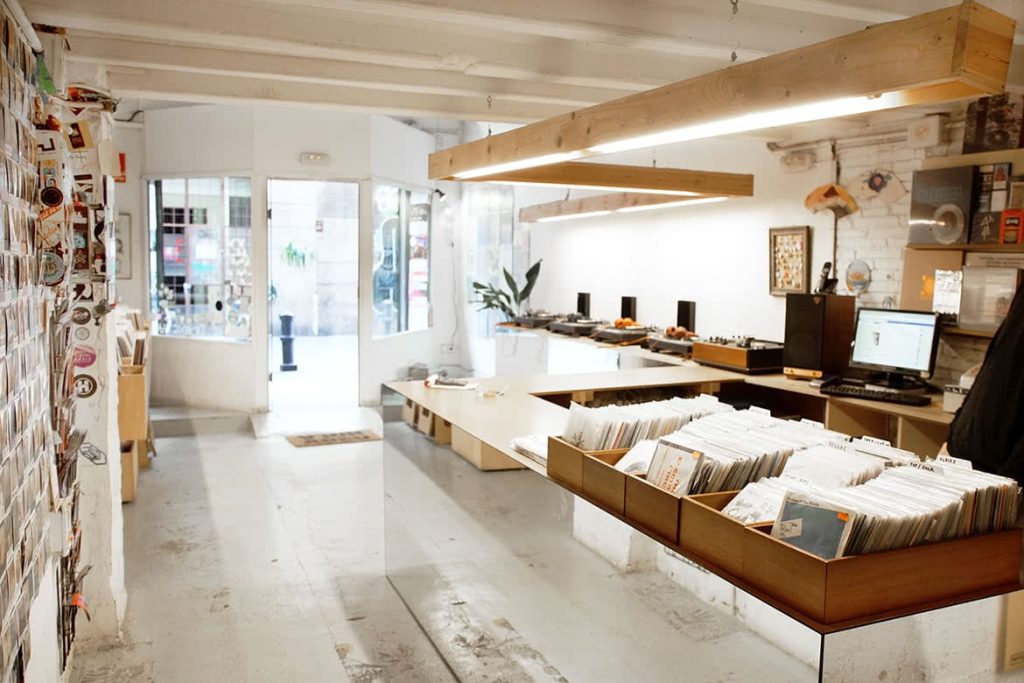
Barcelona continues to be a bastion for analogue culture, with three essential shops serving as the backbone for the city’s vinyl community. In the heart of El Raval, Discos Paradiso has become a global landmark for electronic and experimental music, offering a meticulously curated selection that ranges from house and techno to ambient and industrial. For those looking to support the homegrown scene, Ultra Local Records in Poblenou is a dedicated champion of independent Catalan labels and local bands, often hosting intimate in-store performances that bridge the gap between artist and collector.
Tucked away in the Galeries Olimpia, Rhythm Control is a specialist haven run by the respected DJ Bruce Lee, focusing on underground four-to-the-floor cuts, jungle, and rare second-hand finds. Together, these stores provide the essential tactile experience that digital platforms cannot replicate, ensuring that Barcelona’s sonic heritage remains firmly etched in wax. Comment end
It’s often hard to visit a city and find what’s happening in the underground scene, but beyond Mostra Festival, which venues or regular club nights maintain authentic underground experiences in Barcelona? Where does the city’s electronic music community actually gather?
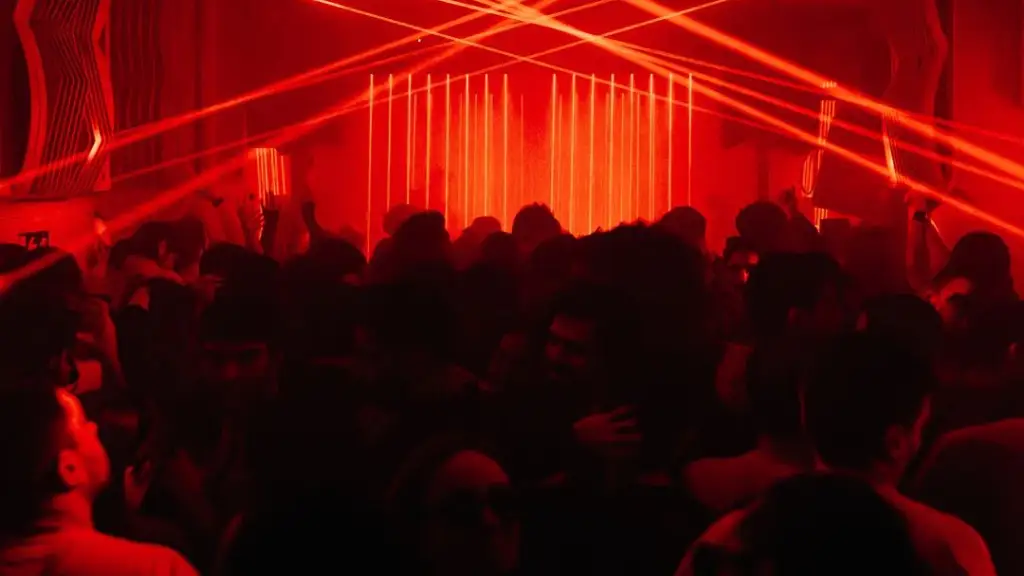
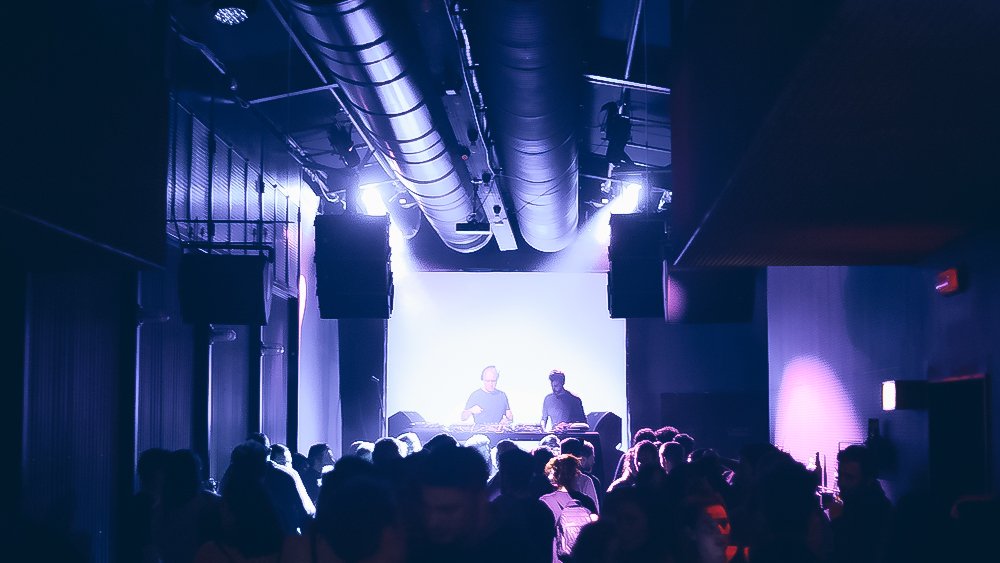
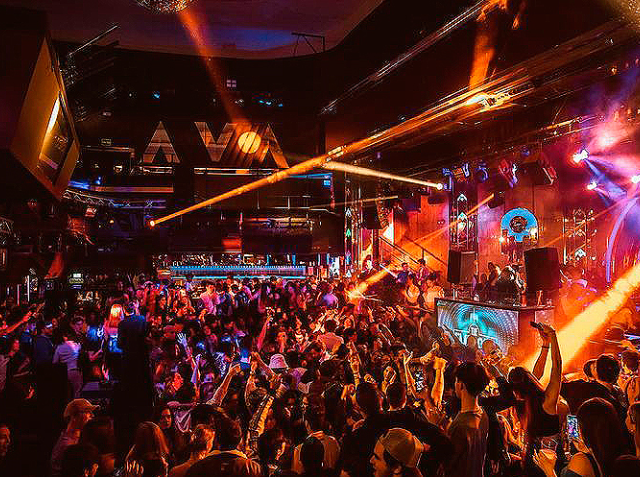
Barcelona’s underground electronic community finds its pulse in specialised nights that prioritize sonic integrity over commercial appeal. The Midline series at LAUT in Poble-sec serves as a central pillar, offering a minimalist, high-fidelity environment where a refined L-Acoustics sound system caters to the most discerning techno and house enthusiasts.
For a more industrial experience, the special Sunday sessions Torax at Razzmatazz strip away the venue’s massive scale to focus on the darker, high-BPM edges of the electronic spectrum. Meanwhile, the Noizer sessions at Les Enfants Brillants offer a sophisticated, red-hued sanctuary where a strict no-photo policy and world-class acoustics ensure the crowd remains entirely locked into the groove.
Every city is a nightmare once landing and finding the cheapest and easiest way to the city, as a local, what’s the best way to get from the airport into the city? How should visitors navigate Barcelona once they arrive?
The Aerobús is the fastest link to the center (Plaça Catalunya) but you also have the newest Metro line (L9). Once here, always use the Metro. For the 2026 edition at the Vall d’Hebron Pavilion, the L3 (Green Line) and L5 (Blue Line) are your best friends, as they connect the city center directly to the festival heart in 20 minutes. Get a T-Usual card (10); it’s sustainable and cost-effective.
Please consider using a bike (there are many rental options available). It may be the best way to move around with no hassle.
Not an easy choice, but if you had to name us three up-and-coming Barcelona-based DJs or producers that people should be watching right now, who would you pick?

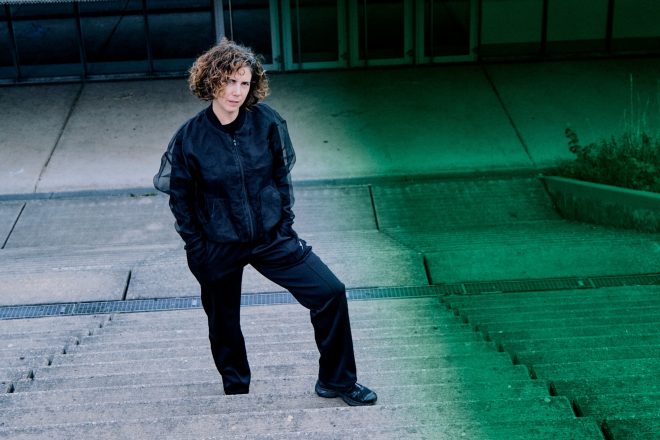
- Melina Serser: Melina Serser has become a vital figure in the city’s audiophile and “listening” scenes, known for her extraordinary ability to blend diverse genres without ever breaking the hypnotic spell of her sets.
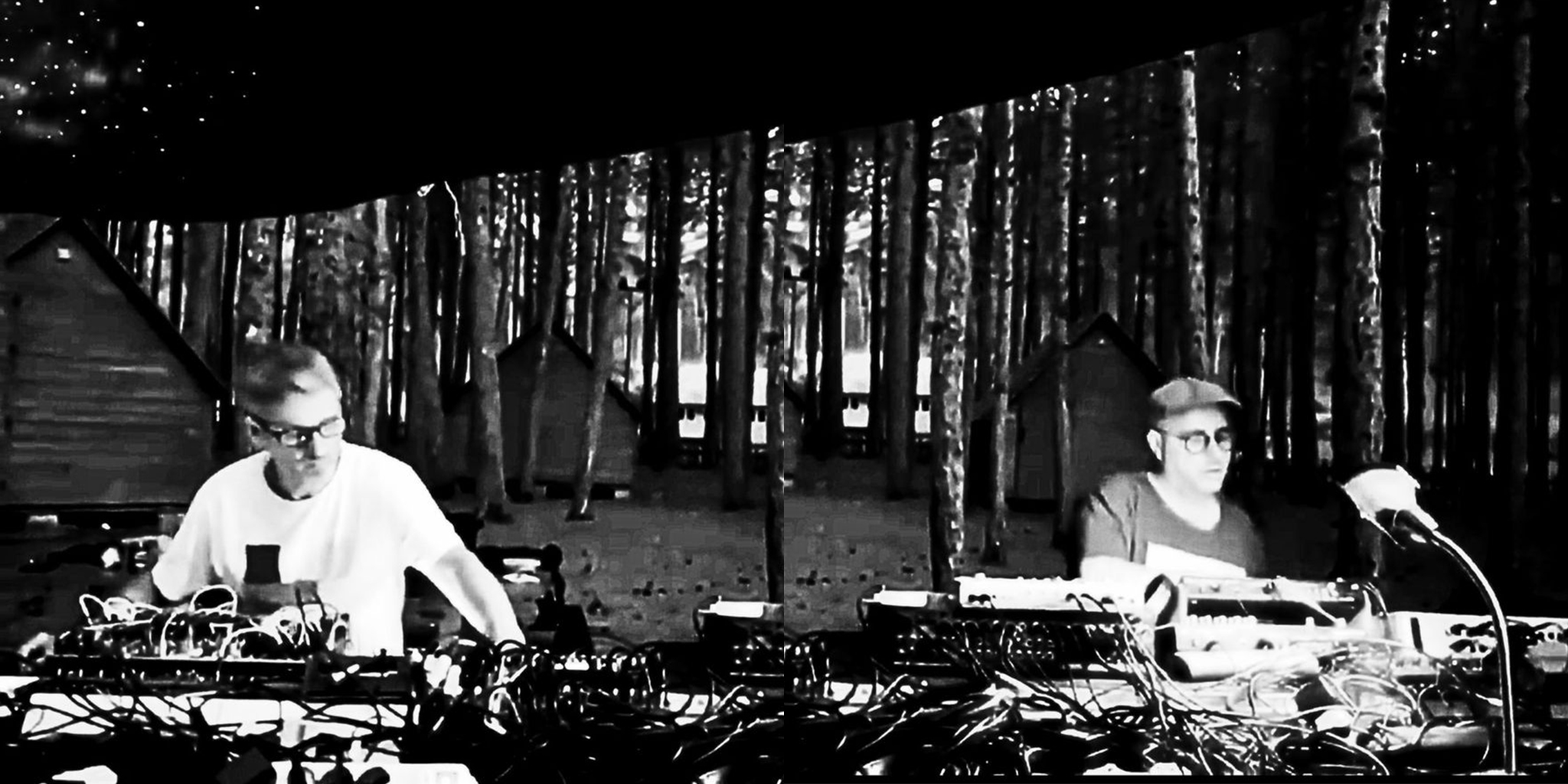
- Àtavic: The live collaboration between Absis and Estrato Aurora, pure mental and textural techno.
- R-010: The alias of Madrid-born, Barcelona-resident Lucas Rojo, he is a producer’s producer. Shunning the traditional DJ format, he focuses exclusively on live sets that are more sonic architecture than standard club fare.
Which clubs should someone serious about electronic music absolutely check out whilst in Barcelona?
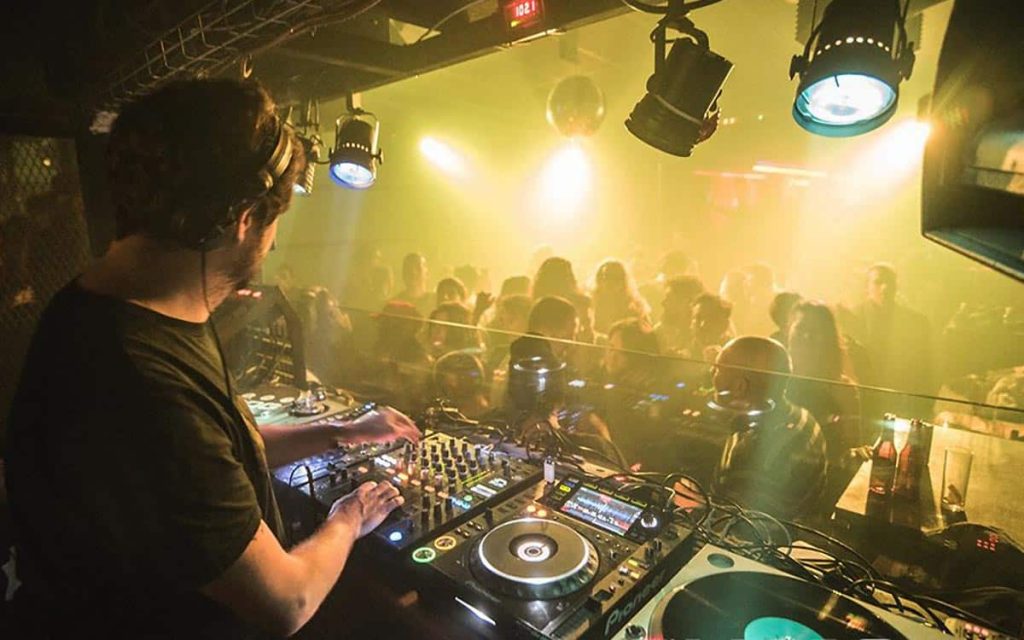
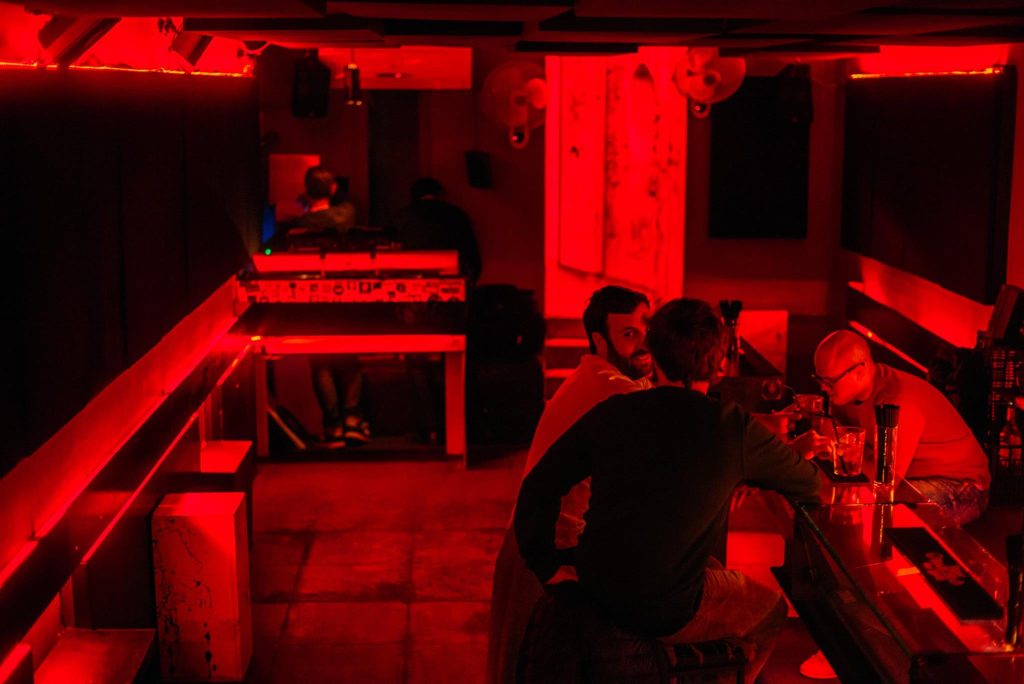
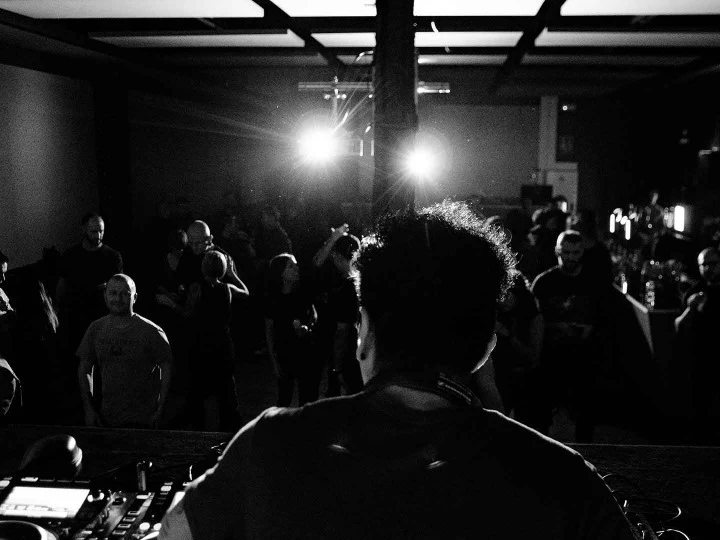
Apart from LAUT and Switch Pocket Club, Barcelona’s nightclub circuit offers distinct environments that cater to the most dedicated corners of the electronic music scene. The historic Moog remains a legendary institution in El Raval, known for its intimate, unpretentious atmosphere and its commitment to high-quality techno 365 nights a year.
In L’Hospitalet, The Garage of the Bass Valley provides a specialised experience as a studio-by-day and club-by-night, boasting a cutting-edge Pioneer Pro Audio sound system that makes it a favourite for audiophiles and fans of avant-garde trends. For those willing to venture just 30 minutes outside the city, Bünker Mataró has carved out a unique space inspired by Berlin’s rawest techno hubs, offering an uncompromising, dark, and sensory-focused refuge that prioritizes communal connection and musical authenticity over everything else.
Where should one look look for underground fashion and streetwear that reflects Barcelona’s creative scenes? Which shops support local designers and subcultural aesthetics, and what local designer should we look out for?
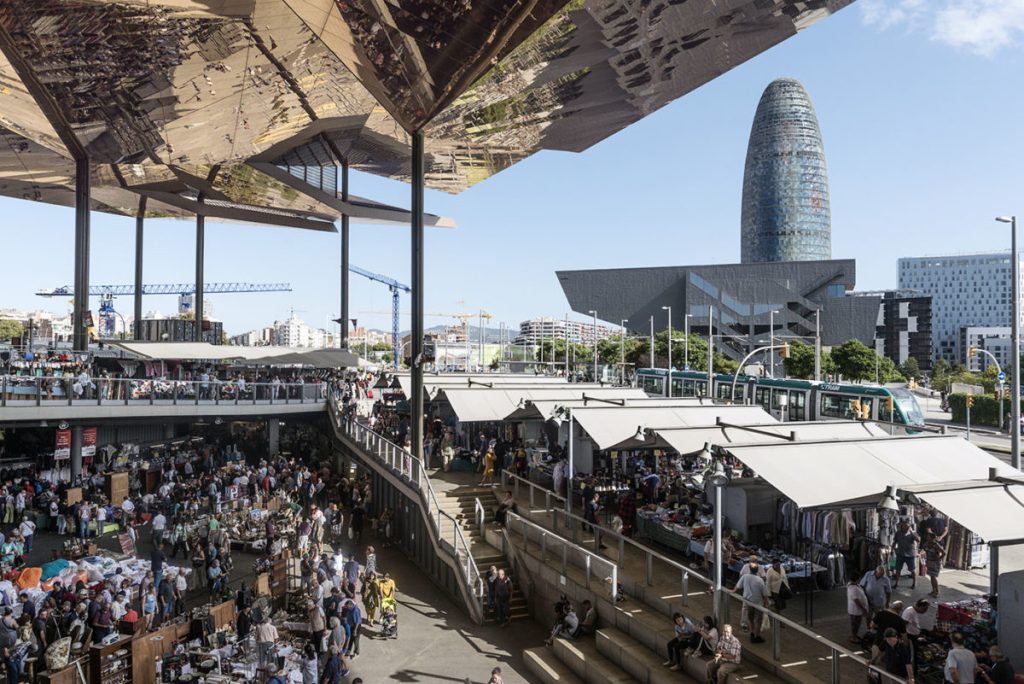
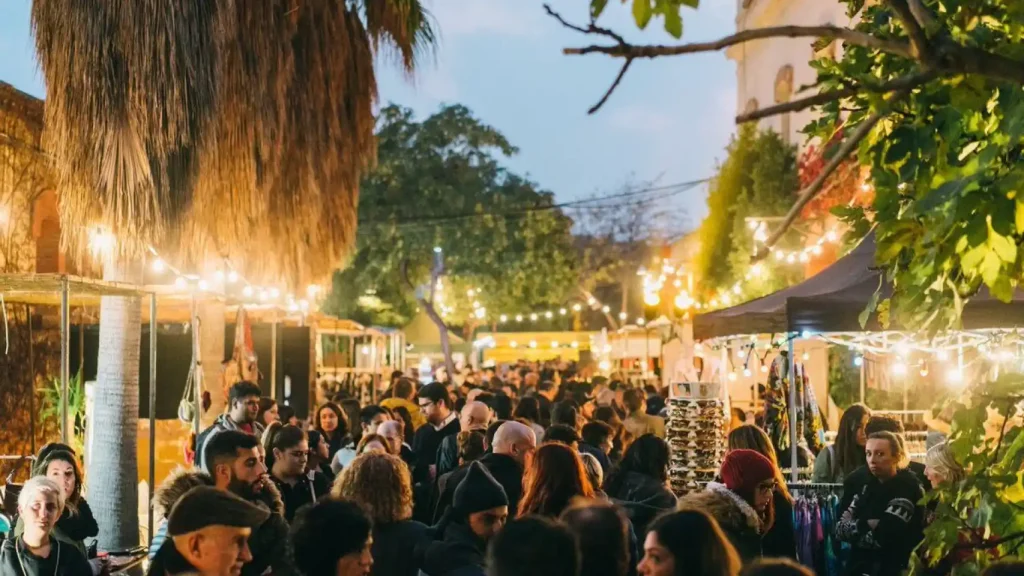
For a true look at Barcelona’s underground aesthetic, skip the high-street chains and explore the spaces where the city’s subcultural identity is traded and transformed. The Mercat dels Encants is an essential pilgrimage; under its shimmering mirrored roof, collectors and stylists sift through decades of vintage surplus and deadstock, reflecting the city’s knack for high-low styling and recycled chic. For a more curated experience, the Palo Alto Market in Poblenou serves as a premier showcase for independent talent, where the Mediterranean’s creative community gathers to support emerging labels that prioritize small-batch production and experimental silhouettes.
What’s the quintessential Barcelona food experience that locals would recommend? Beyond the tourist paella, what should someone actually try?
The question is, what not to try? Beyond the cliché tourist traps, Barcelona’s culinary landscape is defined by hearty, traditional dishes that reflect the soul of Catalonia. A true local experience starts with the simplicity of pa amb tomàquet and perfectly crisped patatas bravas, but the real depth lies in slow-cooked classics like canelons a la catalana or the iconic fideuà, a seafood masterpiece made with short noodles instead of rice.
For those seeking authentic flavours, mandonguilles amb sípia (meatballs with cuttlefish) and botifarra amb mongetes (sausage with white beans) offer a perfect balance of land and sea, while the adventurous should not miss cargols a la llauna (roasted snails) or the rich, gelatinous texture of capipota. To finish, nothing beats the burnt-sugar crunch of a traditional crema catalana or a side of fresh churros, ideally enjoyed at a neighborhood granja. Together, these dishes represent the seasonal, unpretentious kitchen that locals actually gather all year round.
Which restaurants away from Las Ramblas serve the most authentic local cuisine? Where do Barcelona residents actually eat?
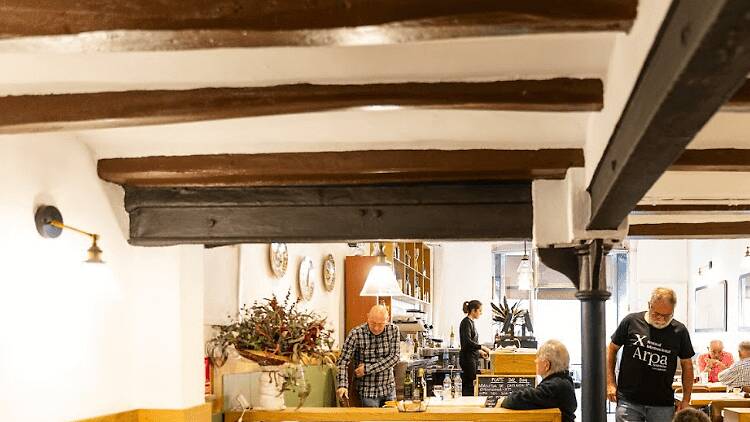
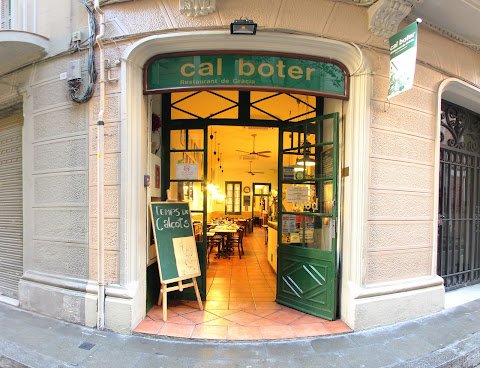
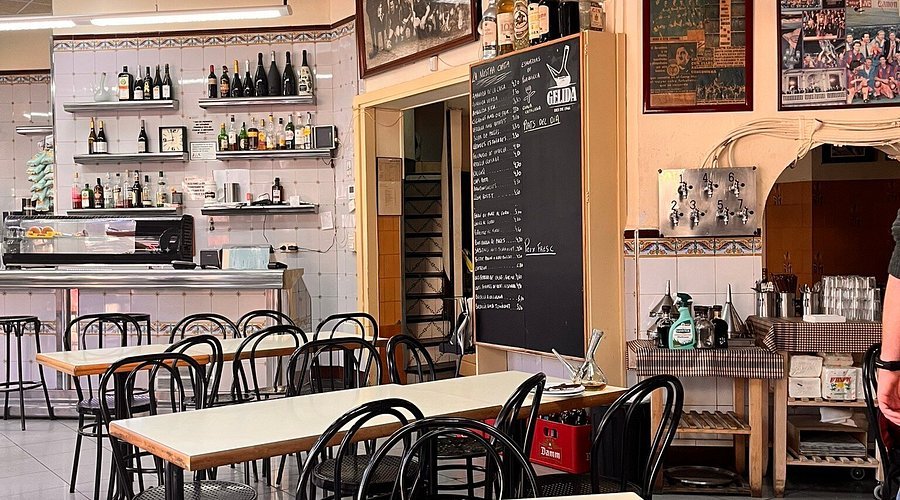
To experience where Barcelona residents actually eat, you must step away from the tourist centers and into the unpretentious “cases de menjars” that anchor the city’s neighborhoods. Gelida in the Eixample Esquerre is a legendary destination for esmorzars de forquilla (fork breakfasts), offering soul-warming stews and traditional Catalan dishes at prices that have remained remarkably accessible for decades.
In the heart of Gràcia, Cal Boter serves as a temple to traditional Catalan cuisine, specializing in expertly grilled meats, seasonal snails, and salt cod dishes that reflect the authentic flavors of the region. Meanwhile, located just across from the Mercat de Sant Antoni, Can Vilaró is a beloved family-run institution where the menu focuses on market-fresh ingredients and offal specialties like capipota, providing a noisy, vibrant, and entirely honest dining experience that defines the local spirit.
What specific Catalan dishes or Barcelona specialities must visitors experience? What defines Barcelona’s unique food culture?
Shaped by waves of immigration over centuries and influenced by both the Mediterranean Sea and the surrounding mountains, the region’s cuisine reflects a broad range of flavors and ingredients. Seafood and meat are given equal importance, each playing a central role in everyday cooking.
One way to experience the food is through tapas: small dishes served for sharing at the table, encouraging a relaxed and social style of dining. Alternatively, the menú del día offers a structured three-course meal at a fixed price, providing a balanced introduction to the local cuisine.
Which cocktail bars have earned their reputation through quality rather than Instagram appeal? Where does Barcelona’s serious drinking culture reveal itself?
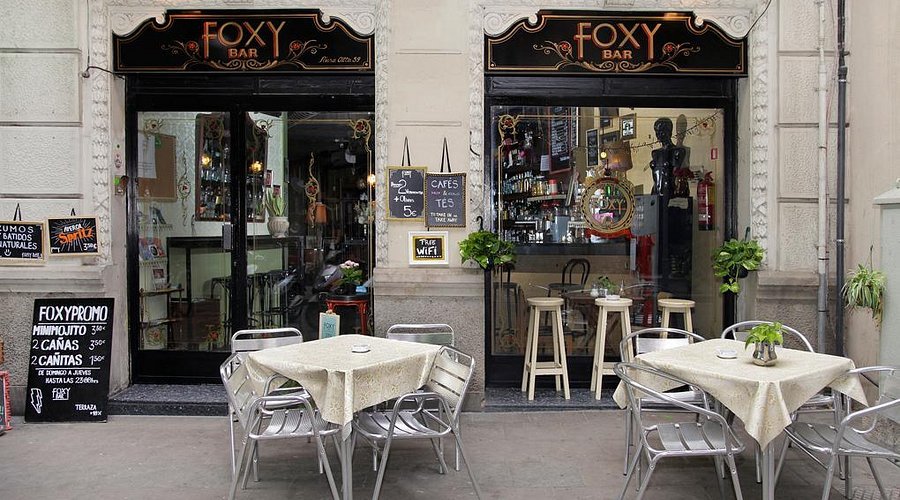
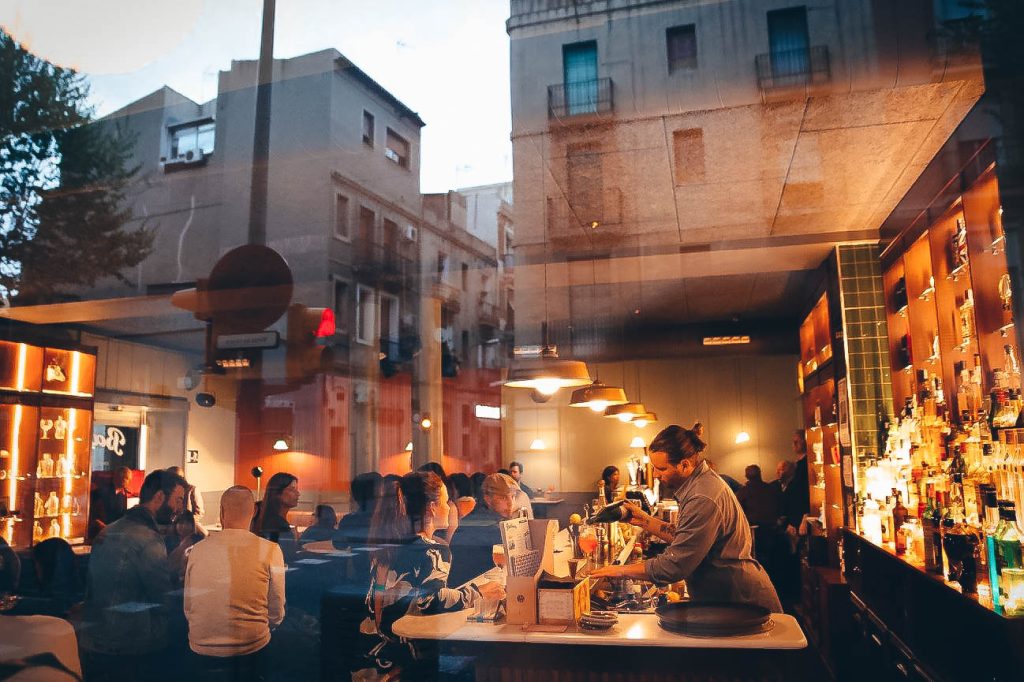
It’s a tough call, but I’d have to go with some of the best for locals, you can’t beat these
Post raving, but you’ve made the trek to BCN, with a spare three days after the festival, what would you recommend as a day trip or sights that aren’t on the usual tourist maps? Where should visitors explore to see a different side of Catalonia?
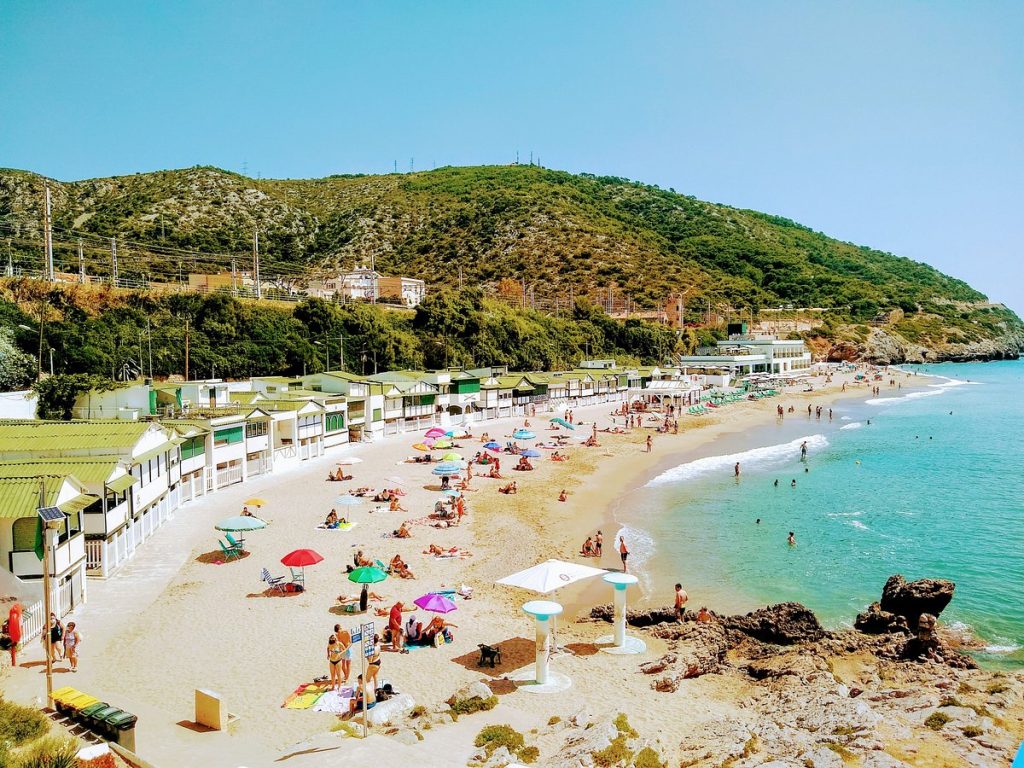
- Garraf / Sitges: Take the train south. Garraf has a tiny beach with green-and-white huts that looks like a Wes Anderson movie.
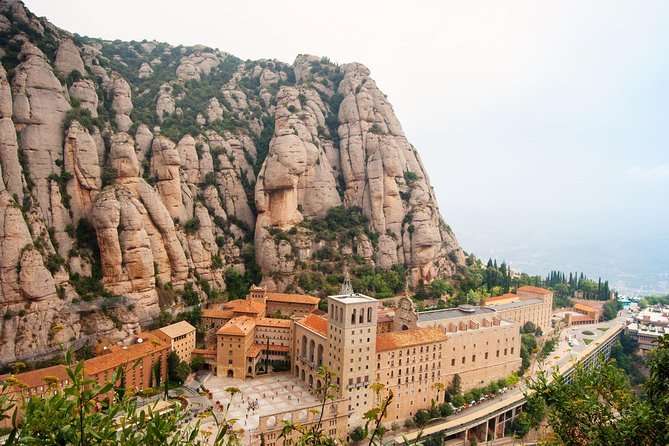
- Montserrat: The holy mountain. The rock formations are alien-like and perfect for a spiritual “after-festival” reset.
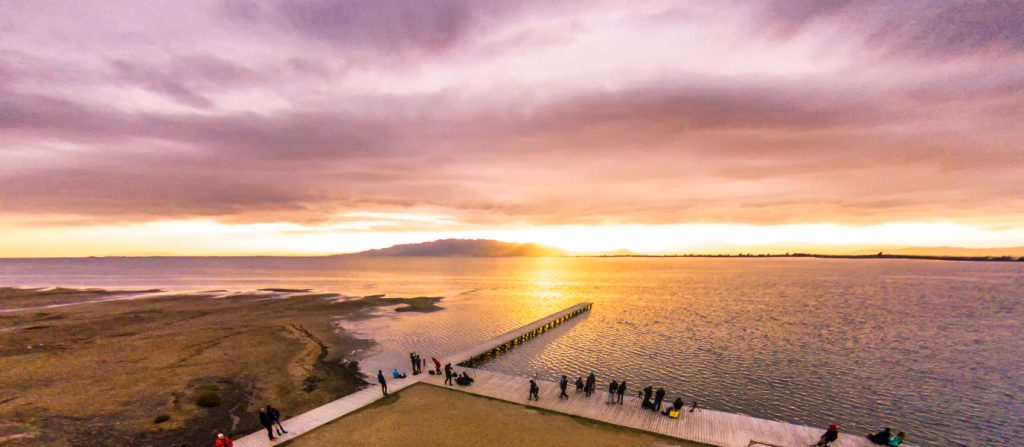
- Delta de l’Ebre: If you have three days, go south to the rice fields and wild beaches. It’s a unique biosphere and incredibly peaceful.
- Finca Parera: A local winery dedicated to biodynamic agriculture and natural winemaking. Their wines are simply fermented grape juice, crafted with minimal intervention to express the true character of the land and each harvest. A visit invites guests to walk through their agricultural landscape, taste their wines and olive oils, and, depending on the season, enjoy other products of the land. Those wishing to extend the experience can share a meal at MamdelBo.
What’s your ultimate insider tip for Barcelona? Which neighbourhood, street, or spot reveals the city’s character in a way that guidebooks miss?
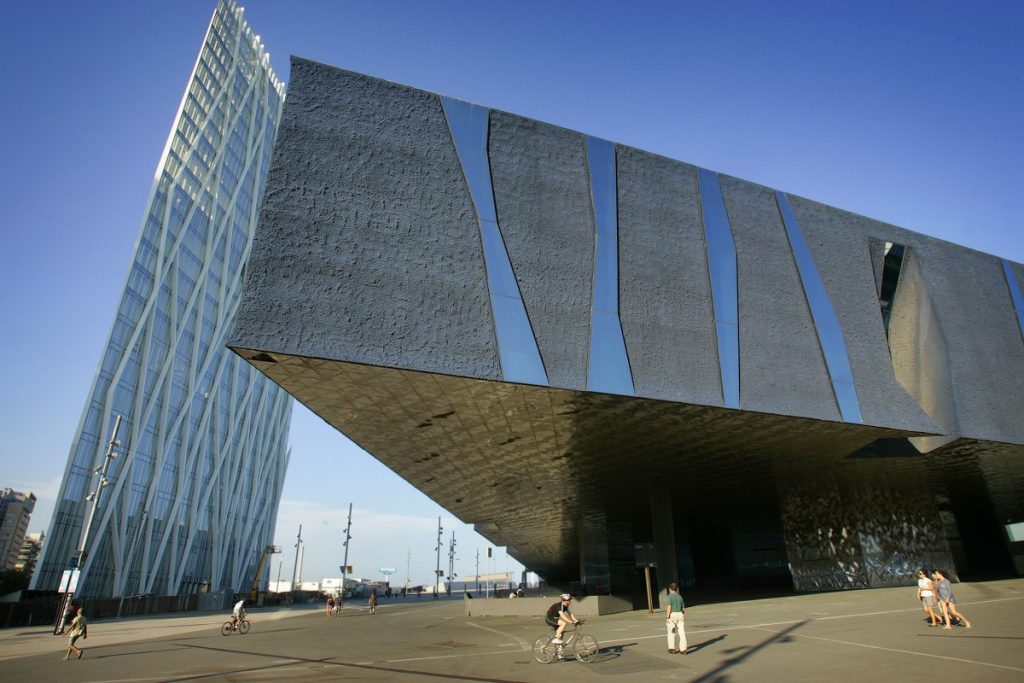
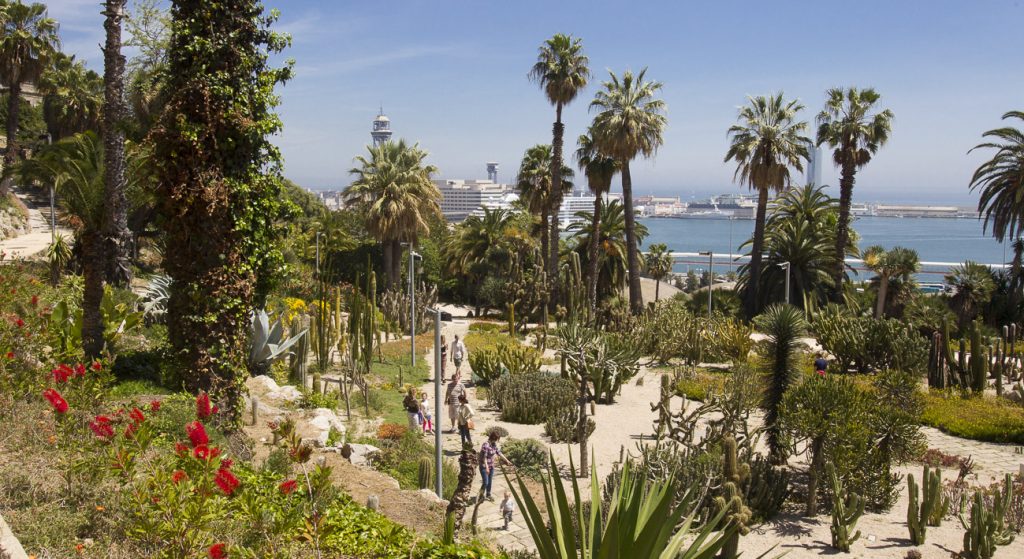
For a true insider’s perspective of Barcelona, bypass the crowded Gothic Quarter and head to the Jardins de Mossèn Costa i Llobera on the coastal slope of Montjuïc. This world-class cactus garden offers a surreal, cinematic atmosphere where the organic, alien shapes of succulents sit in stark contrast to the heavy industrial cranes of the Barcelona port. It feels less like a tourist site and more like a scene from a science-fiction film. After exploring the garden, follow the “hidden” stone paths that lead down the hillside into the vibrant, local atmosphere of Poble-sec.
For those chasing the golden hour, the Jardins de Montjuïc provide a stunning vantage point where futuristic architecture meets a backdrop of distant mountains. If you prefer the coast, a long walk from the beaches of Nova Icaria and Bogatell toward the brutalist scale of Parc del Fòrum reveals the city’s modern edge. Finally, embrace the local Sunday ritual by relaxing at the newly transformed Parc de les Glòries before strolling down the Rambla del Poblenou, a leafy boulevard that maintains a neighborhood charm often lost in the city center.
Decoded Magazine celebrates the fifth anniversary of Mostra Barcelona, a milestone that marks a turning point for a festival that, since its inception, has championed an independent, human, and deeply city-rooted model. Five years on, they return stronger than ever with an artistic programme featuring more than 35 hours of music across four days; an edition that will open the cultural season with some of the most forward-thinking sounds of the moment.
For full line-up, ticketing and more, visit https://www.mostra.barcelona/en
Related
Discover more from Decoded Magazine
Subscribe to get the latest posts sent to your email.