Helene Rickhard on Club Memory, Mystery, and “Everlasting High”
Helene Rickhard returns to the Snick Snack label with her latest project, Everlasting High, released on May 8. This follow-up effort builds upon the sonic foundation of her debut, pushing her vocal work to the forefront while maintaining her signature blend of ambient, techno, and synth-driven textures. By weaving experimental club structures into a cohesive album format, Rickhard continues to define her unique space in the electronic music landscape.
Her creative process is deeply rooted in the underground scene of Oslo. This background informs her meticulous approach to pacing, tone, and contrast—elements that translate seamlessly into her DJ sets. Whether she is curating a mix of Italo disco, high-energy synth records, or more unconventional club selections, Rickhard maintains a clear identity that bridges the gap between focused listening and functional dancefloor music.
The Ephemeral Nature of Club Culture
In our conversation, Rickhard reflects on the intersection of recording culture and the lived experience of the club. She notes that while documenting sets can be useful for analysis, the act of recording often changes the atmosphere. “I certainly get more nervous if I know my set is recorded,” she admits. For Rickhard, the true essence of a club night is something that cannot be fully captured through a lens.
She recalls a formative experience in 1995 at the Whirl-Y-Gig club in Shoreditch, where the environment was defined by psychedelic decor and a shared sense of immersion. “I think that experience would have been very different if everybody had a phone back then,” she observes. This perspective drives her preference for environments where phones are discouraged or prohibited, as she views the club experience as an ephemeral space for releasing tension and shaping moods.
Preserving Mystery in a Digital Age
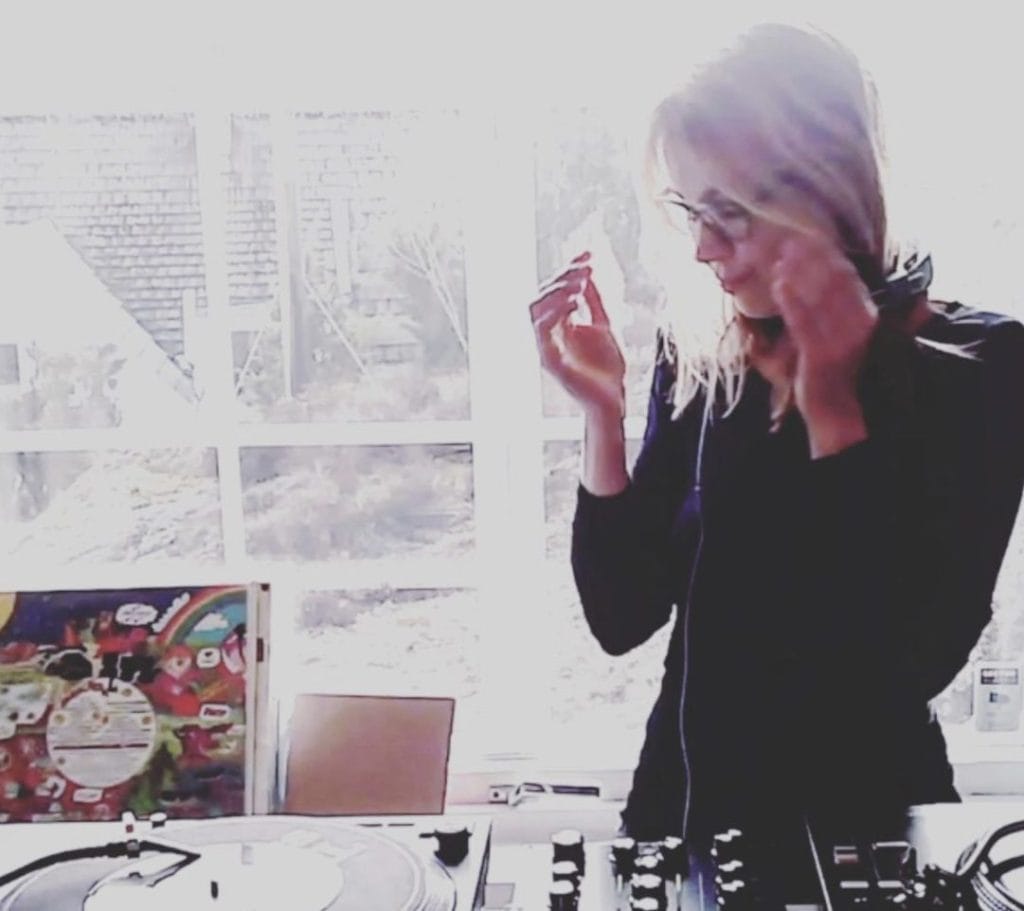
The rise of social media and the constant documentation of DJ sets have, in her view, shifted how audiences perceive the craft. She notes a tendency toward “DJ-focused” content that emphasizes technical tricks and transitions over the broader emotional arc of a set. However, she acknowledges that technology has also democratized the scene, allowing new talent to emerge who might otherwise have been excluded.
Despite the push toward total transparency, Rickhard believes that mystery still holds a vital place in club culture. “There are still many places and sounds to explore where you can feel that sense of discovery and connection,” she says. By prioritizing the immediate, unrecorded moment, she continues to advocate for a deeper, more intentional relationship between the DJ and the dancefloor.