Inside Weirloom: Why These Jeans Are Built for DJs and Artists
Dance music has no fixed dress code, even if black T-shirts and denim remain common in studios, airports, press photos, and DJ booths. The clothing has to work across a job that constantly changes location. An artist can spend eight hours at a computer, carry equipment into a venue, and play a late set without going home to change. That creates a specific case for jeans: they need to remain comfortable across long days, withstand frequent wear, and look considered without turning the artist into an advertisement for a passing fashion cycle.
Weirloom approaches denim in a similarly direct way. The Danish brand was founded by Thomas Stege Bojer, the founder of Denimhunters, after nearly two decades spent selling jeans, writing about them, and advising people on what to buy. His premise is simple: most customers do not want an education in every denim mill, fabric construction, and finishing method before choosing a pair. They want jeans that fit, last, and improve with wear.
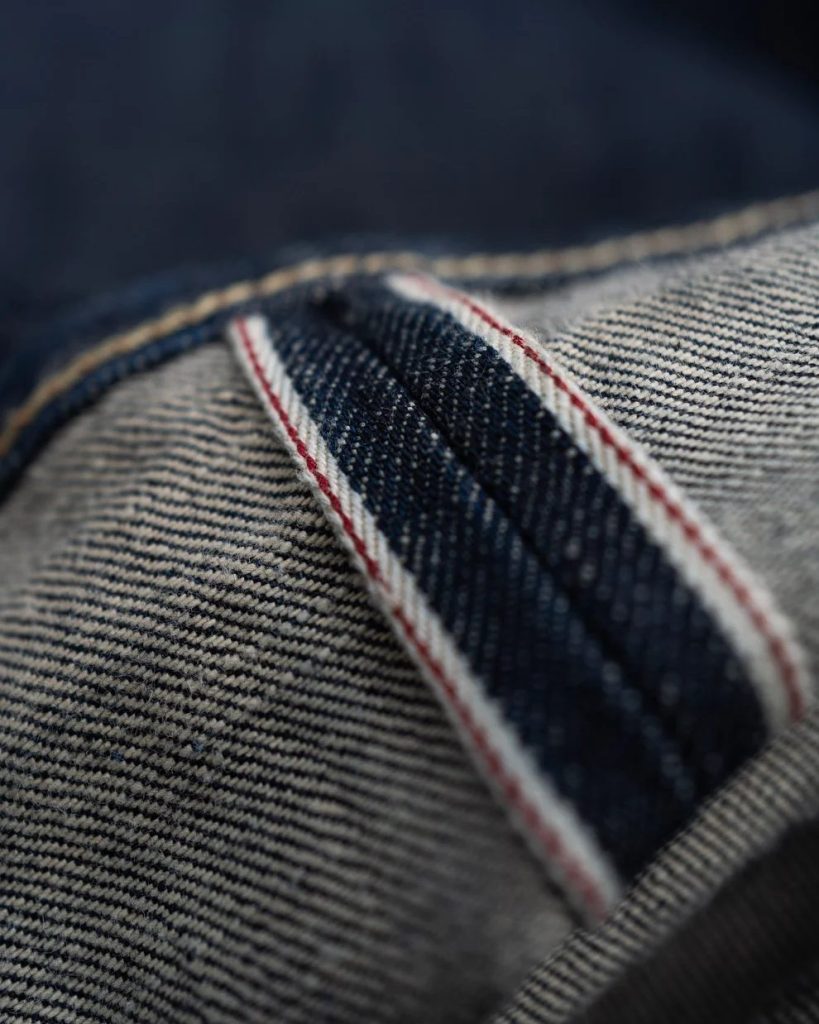
That premise connects naturally with working artists, DJs, and producers. Music already asks them to make hundreds of decisions around writing, mixing, travel, promotion, and performance. Clothing can express taste without adding another research project to the week. Weirloom reduces the choice to a small range of related fits, then puts the detail into the fabric and construction. The jeans are designed in Denmark, use selvage denim woven by Candiani in Italy, and are cut and sewn in Portugal.
Why Weirloom fits a producer’s actual week
We have spoken with enough artists to know that the public-facing part of the job accounts for only a small portion of the total hours. A wardrobe for that life has to cover long periods of sitting, frequent flights, load-ins, dinners with promoters, and the performance itself. Weirloom’s main proposition suits that repetition. Its denim is made from 100 percent cotton, rather than stretch material, and the current raw fabric weighs 14.25 ounces. That gives it enough substance for regular use while remaining reasonable for indoor wear.
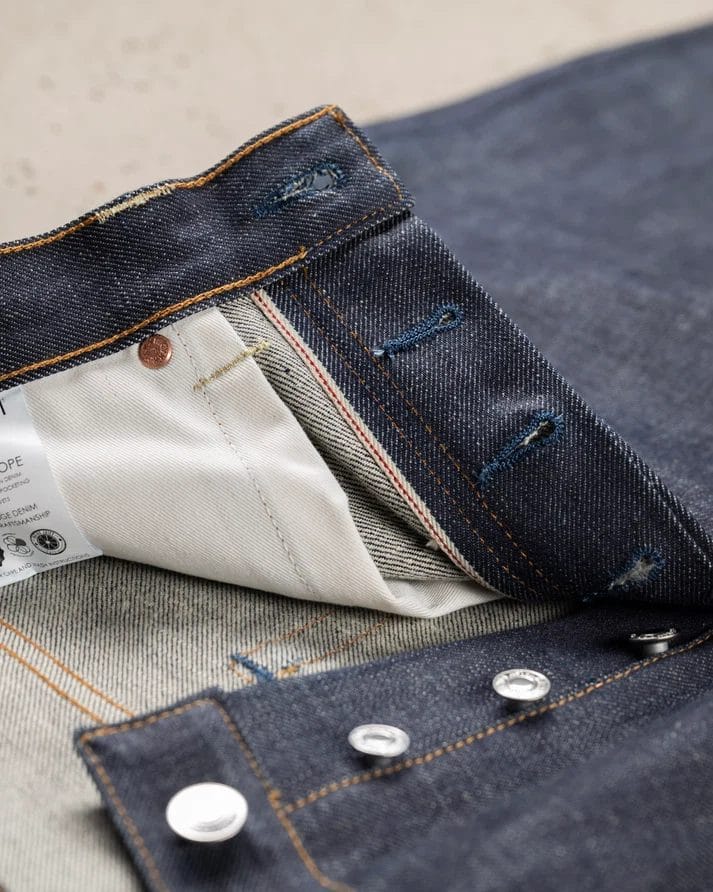
Copper rivets, metal YKK buttons, reinforced stress points, and heavy pocket lining address the areas that take the most wear. That leaves room for the wearer. A faded black shirt, a label hoodie, a tailored jacket, or different footwear can change the presentation while the jeans remain consistent. Across rehearsal clips, press photos, and venue footage, that consistency can establish a recognizable personal style without repeating a full outfit.
Which Weirloom fit belongs in the studio and booth
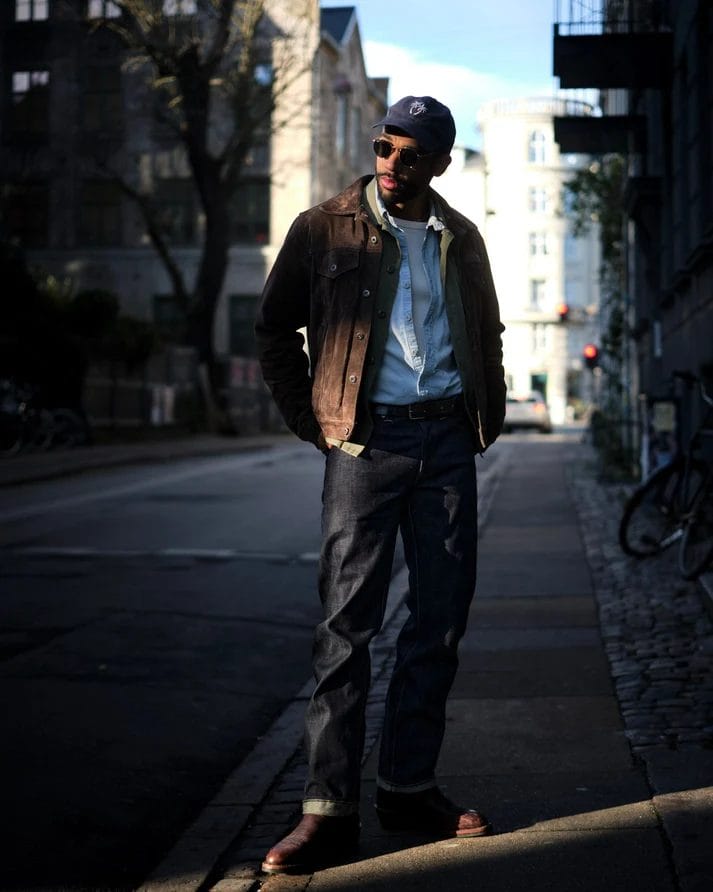
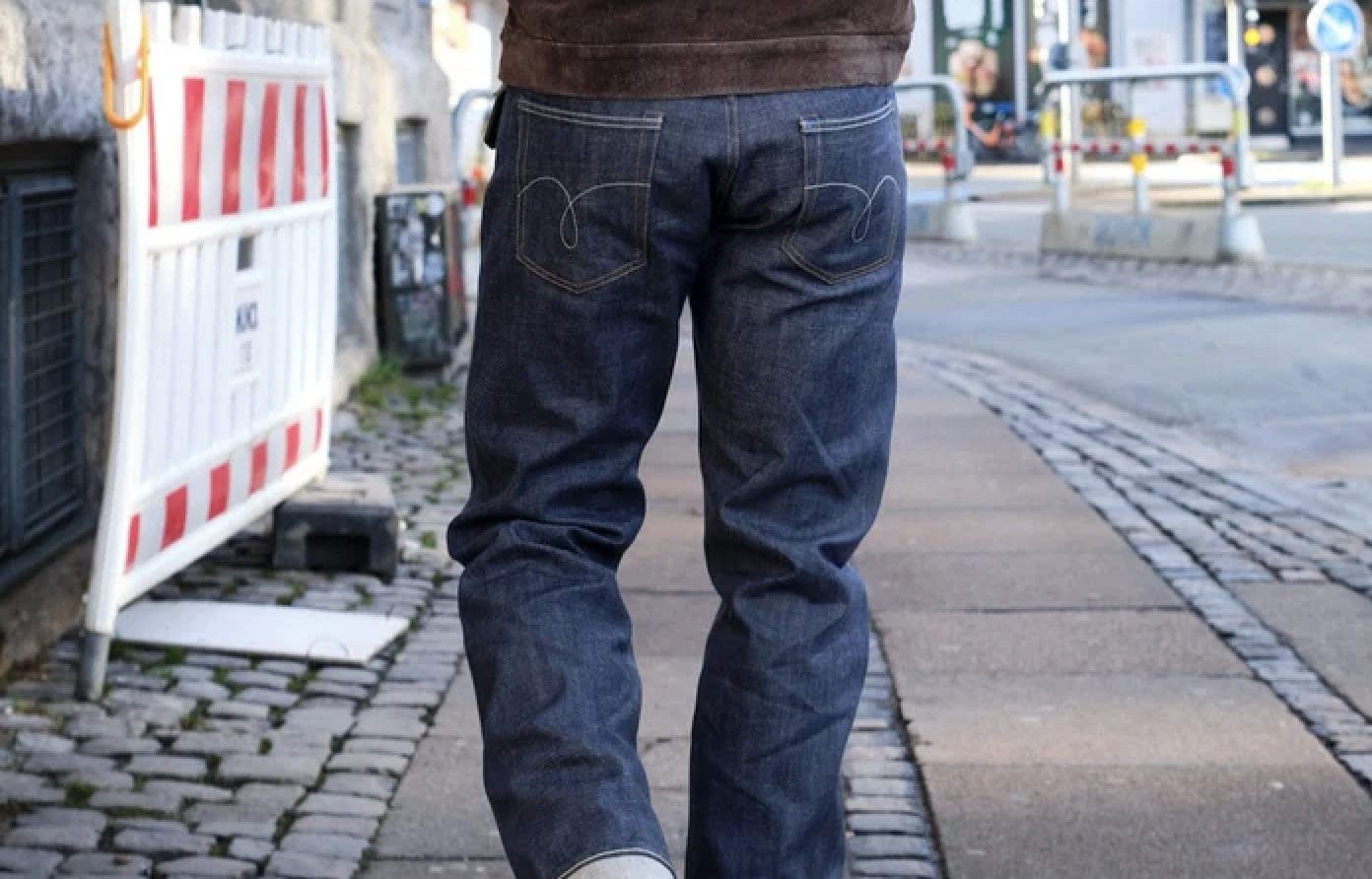
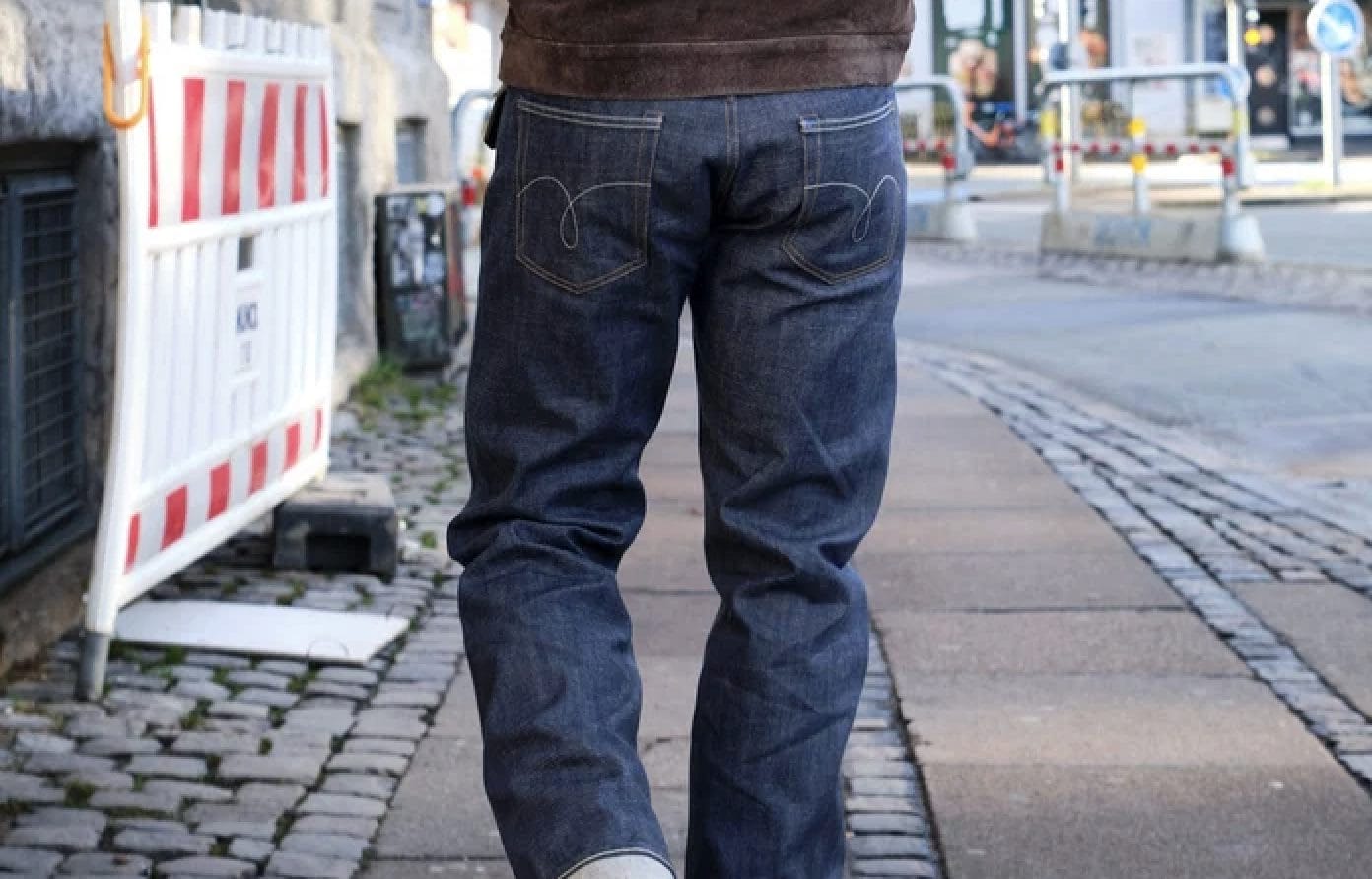
The WL#1 Regular Fit Jeans are the most direct starting point. They use a mid-rise, room in the thigh, and a straight leg. For producers who spend much of the day seated, the extra room may be preferable to a narrow cut. The straight opening also works with low-profile sneakers and heavier boots. For someone who prefers a narrower leg, the WL#2 Slim Fit Jeans use the same Italian fabric and general fit around the waist and hips, then taper toward the hem.
Why repeated wear is the real selling point
Raw denim marketing can become highly technical very quickly, and Weirloom clearly knows that audience. Yet the company keeps returning to a less specialized proposal: buy fewer clothes and wear them regularly. That point hits the economics and logistics of an artist career even harder. Touring already limits luggage space, and checked baggage must accommodate performance clothing, merchandise, cables, and personal items.
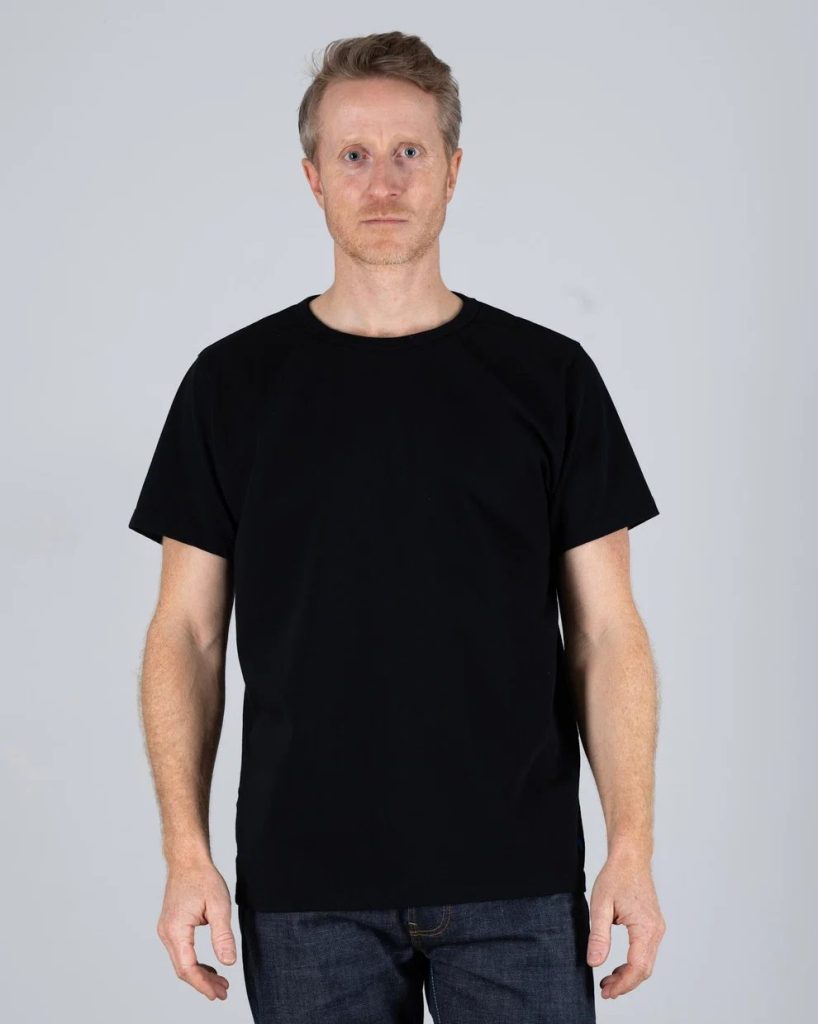
Weirloom therefore works best for the artist who wants one dependable pair in frequent rotation and accepts that raw denim needs an adjustment period. The most convincing part of Weirloom’s offer has little to do with performing a music-industry identity. DJs and producers do not need special jeans. They need clothes that can handle seated work, repeated travel, public photos, stage movement, and frequent washing without demanding constant attention.