Intercontinen7al: Redefining Remote Collaboration Through Global Music
The collective Intercontinen7al takes the concept of remote collaboration to its absolute limit. By recording contributions from musicians across all seven continents, the group has crafted a unique sonic identity that bridges vast geographical and cultural divides. Their latest track, “Some Thousand Feet High,” serves as a masterclass in modern, borderless production, blending melodic pop and R&B sensibilities with inputs from Egypt, the UK, Japan, Argentina, and the United States.
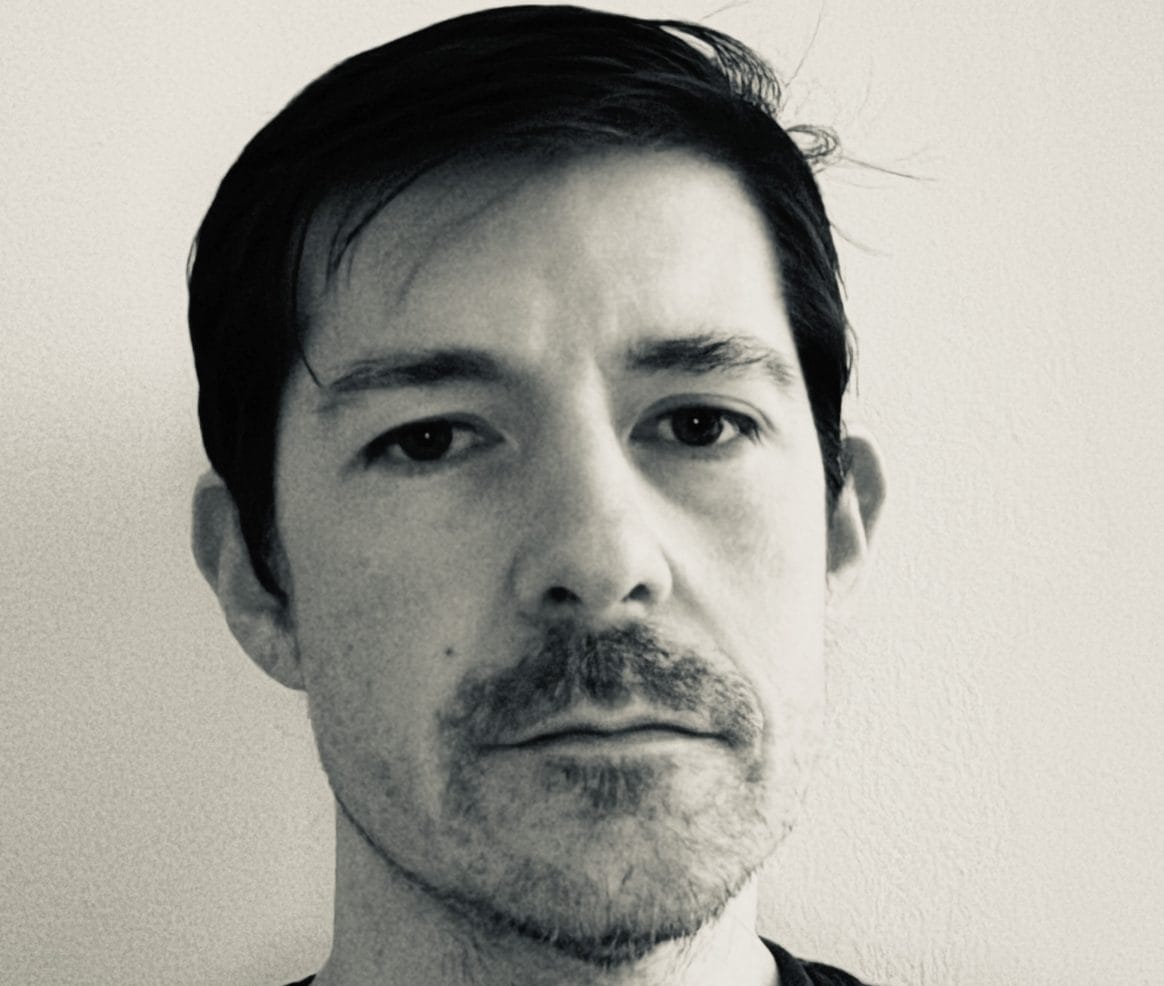
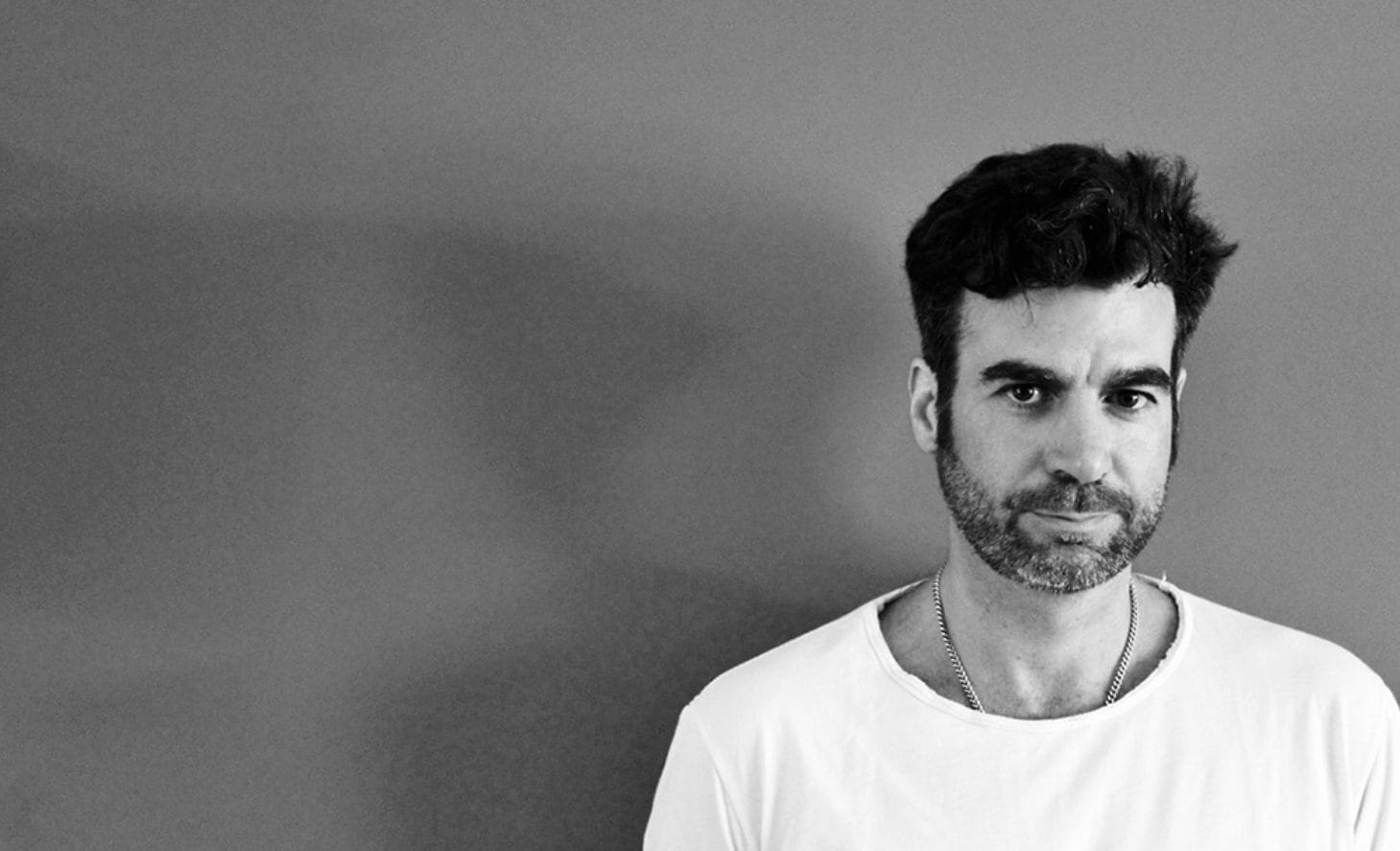
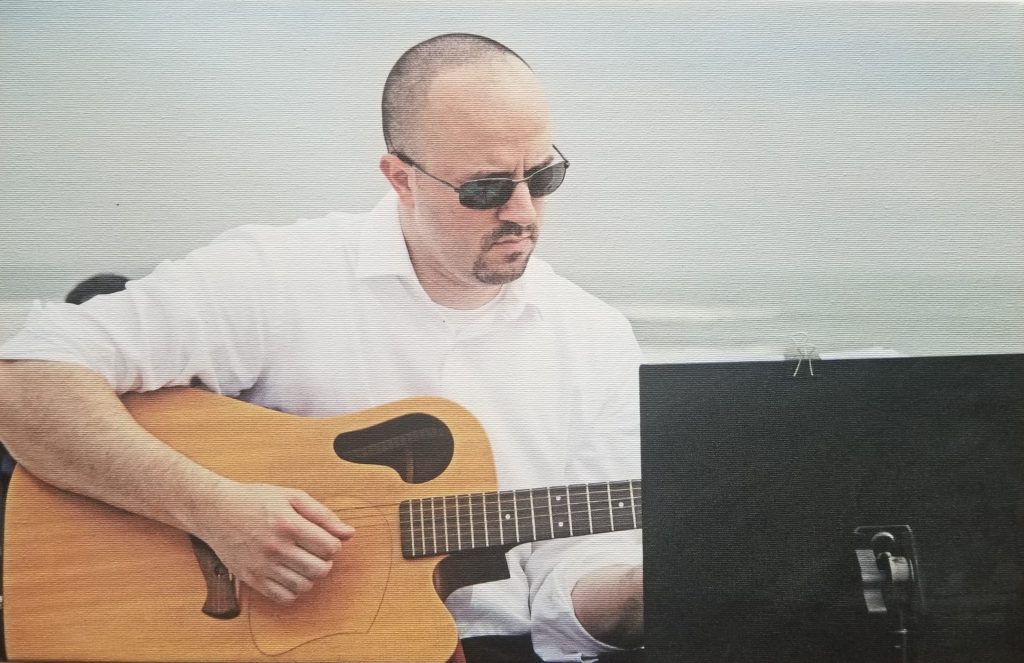
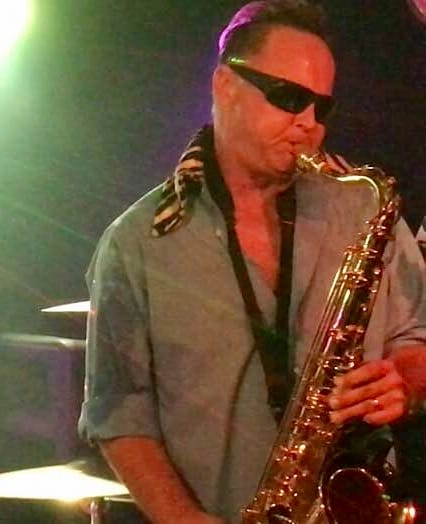
The creative process for the track began with a foundational sketch from Egyptian multi-instrumentalist Jukerok. By uploading a piano and synth arrangement into the group’s shared BandLab folder, he provided the canvas upon which the rest of the ensemble could build. The project quickly evolved as UK vocalist Andrasta reimagined the lyrics, while Tnbt provided rhythmic foundations from Japan, Nereo contributed basslines from Argentina, and Dirty D added a soulful saxophone layer from the United States.
The Evolution of Remote Production
This collaborative model highlights a significant shift in how music is produced today. The same digital infrastructure that powers global DJ culture and international electronic scenes now allows for a band to exist without ever occupying the same physical studio. For Intercontinen7al, the transition to browser-based studios and robust version control was essential to managing the complexities of a multi-continental project.
The group emphasizes that the key to their success lies in maintaining a balance between structured guidance and creative freedom. While producers often provide specific notes or timestamps for desired elements, they frequently grant contributors the autonomy to reinterpret demos. This approach allows for a more organic fusion of styles, which is then refined through careful editing and mixing.
Overcoming Technical and Logistical Hurdles
Achieving a consistent sound across disparate recording environments is a major challenge. To combat the variations in room acoustics and equipment quality, the collective relies on a standardized workflow. Musicians are typically asked to submit dry, unprocessed takes, which are then treated with uniform effects and plugins within the BandLab environment. This process, supported by expert mixing from collaborators like Marcin Nawrocki, helps simulate a shared studio space.
Perhaps the most significant hurdle, however, is the sheer scale of the project. Spanning four years of development, the work required immense patience, particularly when coordinating with members in remote locations like Antarctica. The logistical effort of managing time zones and recording schedules via platforms like WhatsApp turned the act of songwriting into a profound exercise in dedication and global connectivity.