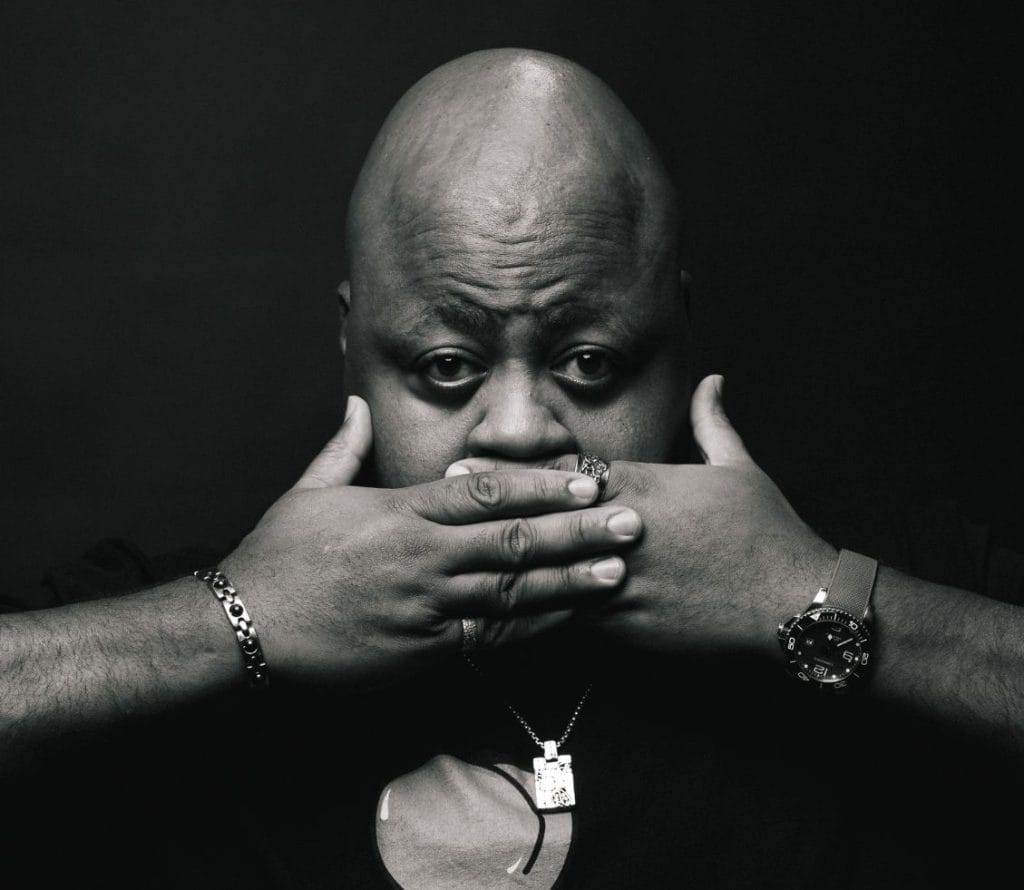
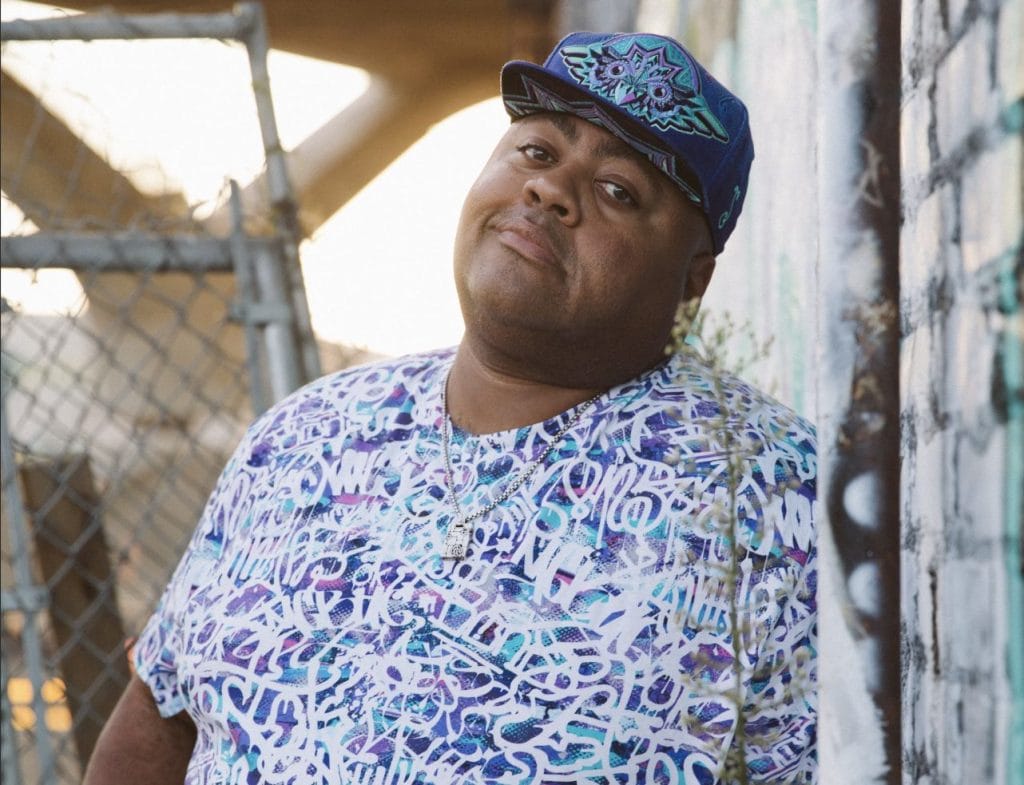
Kevin Knapp on Trusting the Mix and Building “Voice Notes” for the Dance Floor
Kevin Knapp’s new single “Voice Notes” arrives on Plump Records on 16 January 2026 and reflects a production approach built around feel, timing, and physical response on the dance floor. Rooted in his long relationship with house and hip hop, the track focuses on momentum, vocal fragments, and groove construction rather than melodic excess. It follows recent Plump releases such as “West Coast” and continues his output across labels including Dirtybird, Factory 93, and Repopulate Mars.
Knapp’s career as a DJ and producer has developed through constant performance rather than studio isolation. Years of touring and regular club work shaped the way he listens, mixes, and programs records. His sets rely on muscle memory, fast correction, and reading room conditions in real time, which mirrors how “Voice Notes” was built to function inside a live environment rather than as a purely recorded piece of music.
In this interview, Kevin Knapp explains how instinct replaced conscious technique, how repetition created trust in his hands and ears, and how risk enters his sets only after audience connection is established. His comments describe the same principles that guide “Voice Notes” as a club tool. The release and the conversation together outline how experience, pressure, and repetition shape a DJ’s ability to perform and produce with confidence.
Kevin Knapp Interview
Do you remember the first time mixing started to feel automatic for you?
Haha, I actually don’t know that it ever has! I think I’d describe the shift you’re alluding to as the point when I began to start trusting my ability to correct or adjust mixes out loud, without substantial fear of making the mix worse. I’d say that was probably back in 2010 when I was still a local playing in San Francisco.
It was a revelation for me because I stopped being hyper-focused on perfection or flawless mixing and was more able to focus on crowd engagement. Nothing worse than a DJ up there not moving at all, nor looking at the crowd, because they’re incessantly focused on avoiding a mistake.
How much of your best mixing do you think happens consciously vs unconsciously?
It’s all unconscious and feel-based for me these days. I feel like where I’m at in my journey, it’s all about programming. Not to sound cliché, but I guess I let the records tell me how to mix, if that makes any sense.
When you’re under pressure – bad monitors, bad booth, big crowd – what do you lean on first?
The claps, always the claps. When you can’t hear anything and the bottom end is muddy, making sure you have the claps lined up in the mix goes a long way.
How did you build up that trust in your own instincts and muscle memory?
Thousands of deck hours in a lot of different environments over the years. I feel like you develop a touch for the equipment, almost like shooting a basketball. If you do it enough times and listen to records that are almost lined up but not quite there frequently enough, you begin to correct quickly because it’s second nature.
Do you ever practice to maintain that intuitive control, or does it stay sharp through playing out?
I’ve been lucky that I finally reached the point where I can just walk up to the decks and play without needing to warm up or to have rehearsed.
That is most likely due to gig frequency and the number of years I’ve been doing it. If I pick up a track that is at a massively different BPM or has a rhythmic structure I’m not super confident about, I’ll still give it a spin or two in my studio before playing for a crowd to make sure there are no kinks.
Can you share an example of a moment where instinct kicked in and saved a set?
Totally, but it’s not really a technical explanation, rather an emotional, mindset-based one. I was touring Australia with Elrow. It was supposed to be with John Digweed, but he fell ill, so Fisher filled in. I had just played in Brisbane and was heading to Sydney.
They were having summer thunderstorms, and my flight kept getting delayed. Tini Gessler had to swap sets with me because my flight was so affected, but even with the extra time, I was barely going to get there in time. I got picked up from the airport and went straight to the venue. I rifled through my suitcase in the parking lot, found my stage fit, changed, and ran to the stage with about five minutes to spare before my new, later set time.
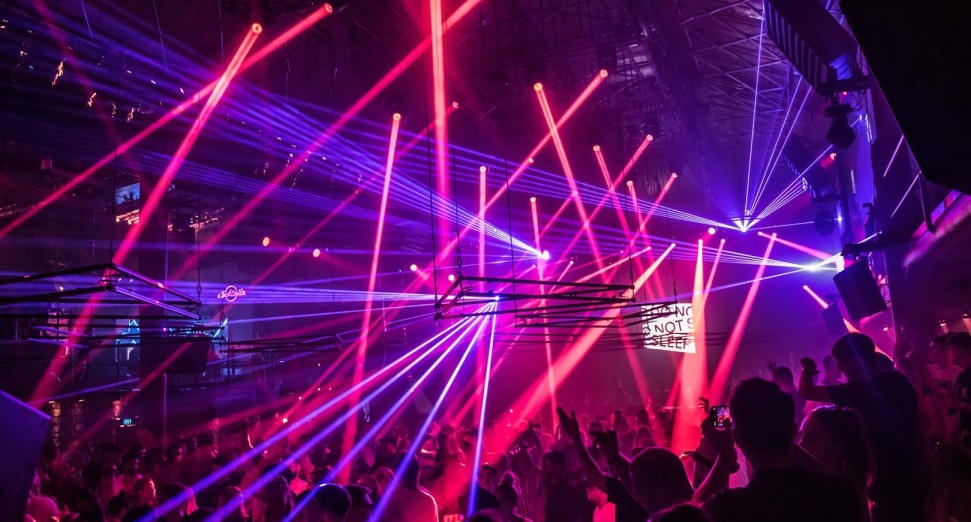
When I walked up to see the environment, there were people as far as the eye could see, around 6,000 folks. I walked back down the stairs, urgently requested a shot of Jack from the stage manager, and thought of The Karate Kid, telling myself, “Remember your training.” At that point, it was the biggest crowd I’d ever played for. I got on stage, clicked play, and the rest, as they say, is history. When I finished my set, toasting Fisher on that stage was the Australian welcome I never knew I needed.
How do you know when to override your habits and take a risk instead?
My general philosophy is to take as many risks as a given crowd will let me get away with. Once I’ve built trust, I usually begin testing how far they’ll let me go while staying with me. I’m not always extended that latitude, but when I am, those are often the nights I remember most.