Quiet Husband on Why Generative Tools Cannot Replace Artistic Judgment
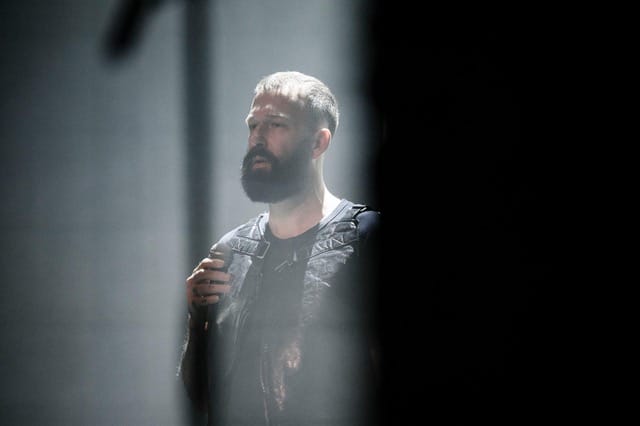
Richie Culver, the artist behind the project Quiet Husband, occupies a unique space where techno, painting, and performance converge. His latest work, The Architecture of Perception, serves as a meditation on how our attention shifts when we engage deeply with a medium. For Culver, the act of producing music in a club environment is not unlike the process of painting in a studio; both rely on the careful layering of texture, contrast, and intensity to build an immersive experience.
As the industry grapples with the rapid integration of AI and generative plugins, Culver offers a nuanced perspective on the role of technology in the creative process. He suggests that while tools like MIDI generators can be useful for overcoming initial creative hurdles, they pose a significant risk when introduced too early in the development of an artist’s voice. The core of his argument is that artistic judgment is not a static skill, but a formative process developed through the friction of making difficult, manual decisions.
The Cost of Convenience
Culver emphasizes that the most vital part of an artist’s practice is not the final output, but the cultivation of a personal sensibility. When software begins to make key creative decisions on behalf of the artist, it risks short-circuiting the slow, necessary work of discovery. “Most of an artist’s practice is not the production of outcomes, but the cultivation of sensibility: learning what to include, what to reject, and what to keep working on,” he explains.
In an era where production tools are becoming increasingly fast and intelligent, the distinction between a polished record and one that carries a genuine point of view is often found in the artist’s intent. A track can be technically flawless yet feel entirely anonymous. For Culver, true identity in music comes from the sense that a human has actively shaped the work, rather than simply assembling it through automated convenience.
Technology can help make a record, but obviously it cannot replace the distinct way of seeing and expressing the world.
Preserving the Human Element
The challenge for modern creators is to remain open to technological advancement without allowing these tools to dictate their aesthetic preferences. Culver advocates for a balanced approach: embrace the speed and possibilities offered by new software, but ensure that the fundamental aspects of music-making—listening, arranging, and editing—remain hands-on.
Ultimately, the development of an artist’s ear and instinct is a byproduct of time and trial. By staying engaged with the granular decisions of the creative process, artists can ensure that their work remains a reflection of their own unique language. As Culver notes, new tools work best when they support an artist’s vision rather than attempting to replace the very judgment that makes that vision possible.