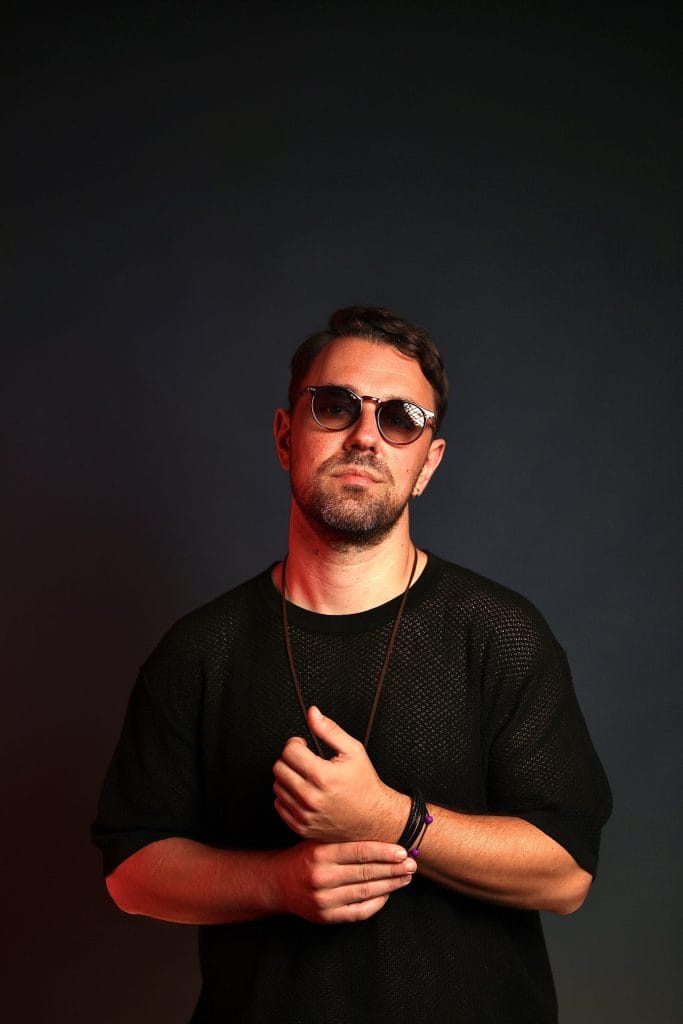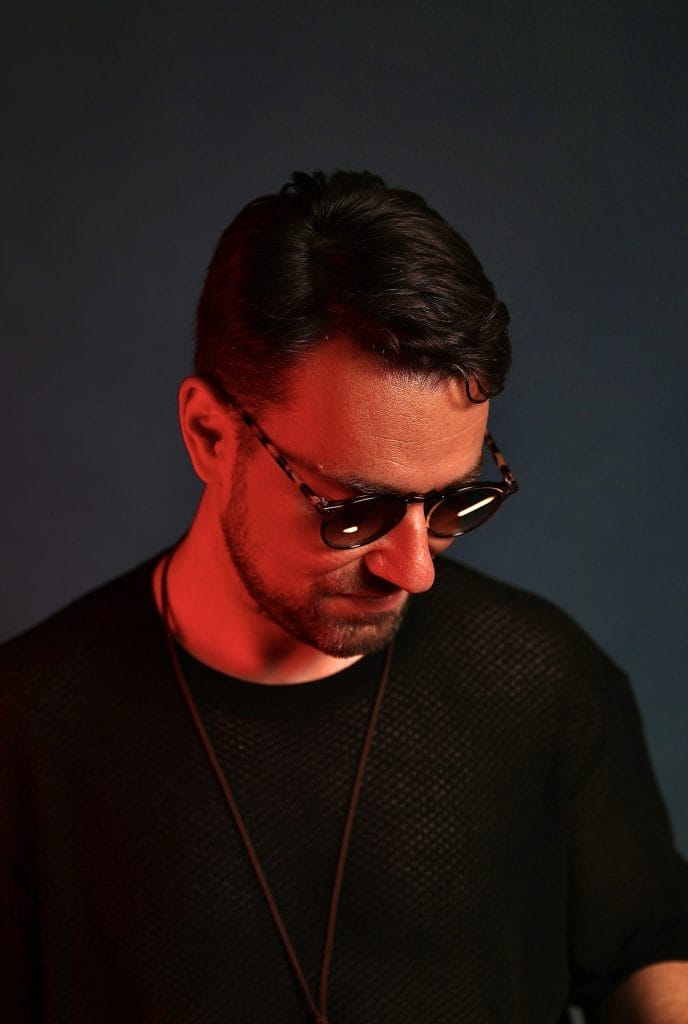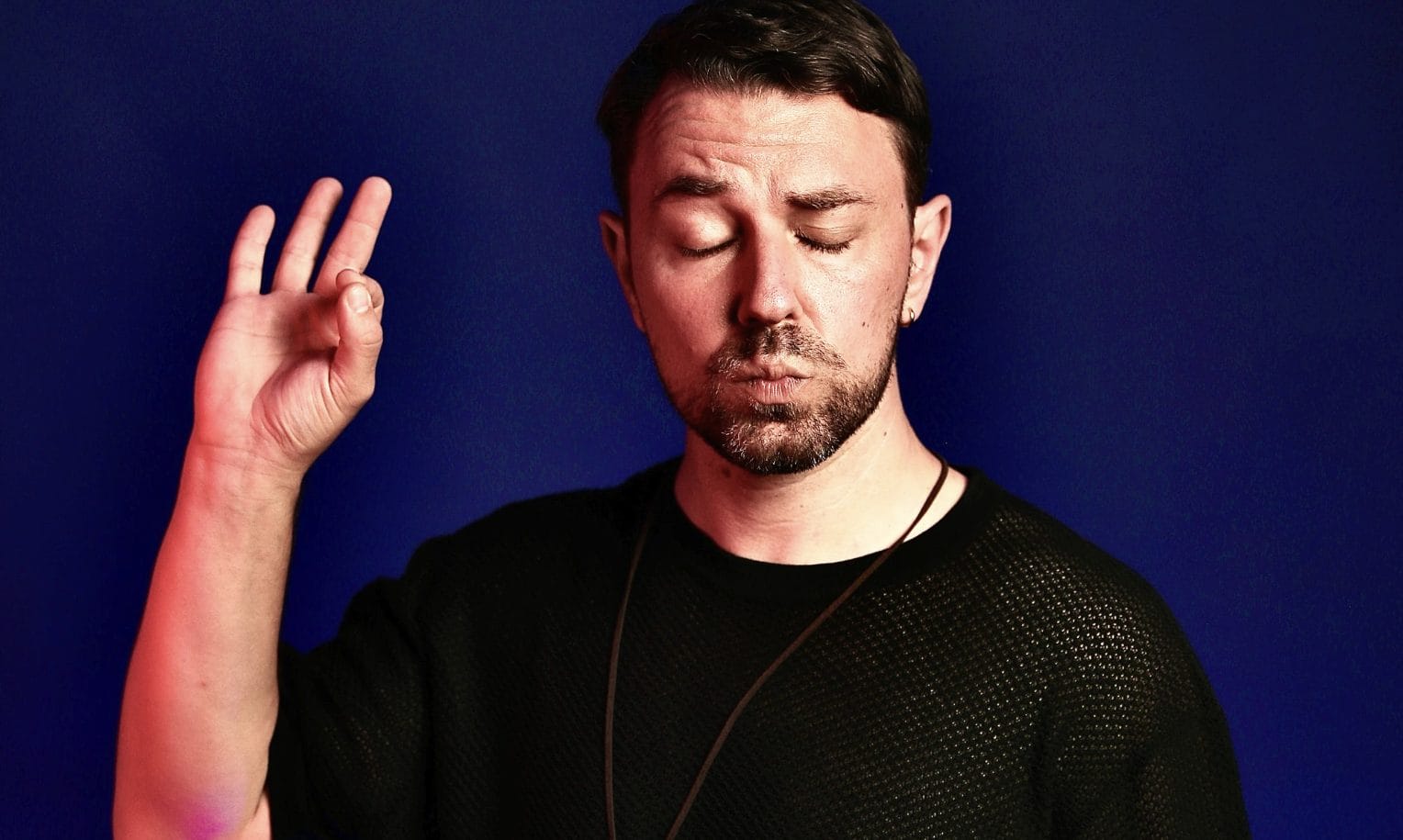
Raw Main on the Art of Connection and the Mental Game of DJing
French producer Raw Main has firmly established himself within the melodic house landscape, a reputation solidified by his latest four-track EP, Theory Of Love. Marking his first full-length release on the prestigious All Day I Dream label, the project follows his earlier contributions to the label’s A Winter Sampler II and the 2024 Summer Sampler. With a catalog that spans influential imprints like Lost Miracle, Abracadabra, Sounds of Khemit, and Bar 25, Raw Main has become a master of crafting soundscapes designed for the long-form narrative of a DJ set.
The EP features tracks such as the title cut, “Kashmir,” “Right Side” (featuring Anvia), and “Acrobat Dreamer,” each meticulously arranged to balance percussion, melody, and emotional depth. Beyond the studio, however, Raw Main views DJing as a sophisticated, real-time feedback loop—a philosophy he explores in depth when discussing the mental demands of the craft.
The Psychology of the Performance
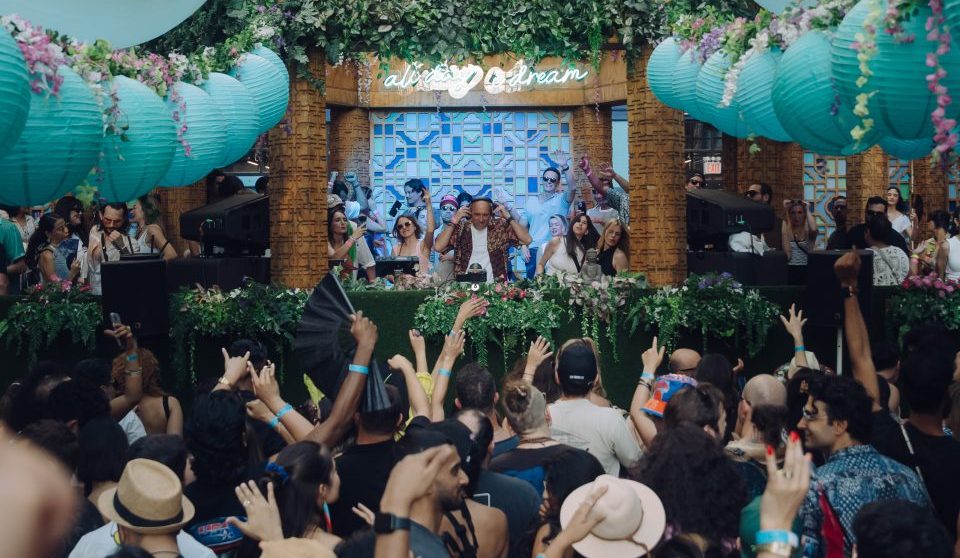
For Raw Main, the DJ booth is a space of constant critical analysis. “While I am playing, I am often thinking about the next track, and it really depends on the crowd’s reaction,” he explains. This internal dialogue is essential for maintaining the energy of a room, requiring a delicate balance between preparation and intuition. Staying grounded amidst the intensity of a live set is a skill honed through years of experience. “Being grounded for me is about listening carefully to the energy in the room and enjoying the moment,” he notes.
When a set threatens to derail, Raw Main relies on a pragmatic approach to regain control. “Most of the time, I put on something everyone knows to tell the crowd to trust me,” he says. “I am not the kind of DJ who only plays tracks that I want to hear.” He emphasizes that even within a specific genre, the goal is to weave a cohesive story, which necessitates a dynamic flow of highs and lows.

Building a Narrative Through Sound
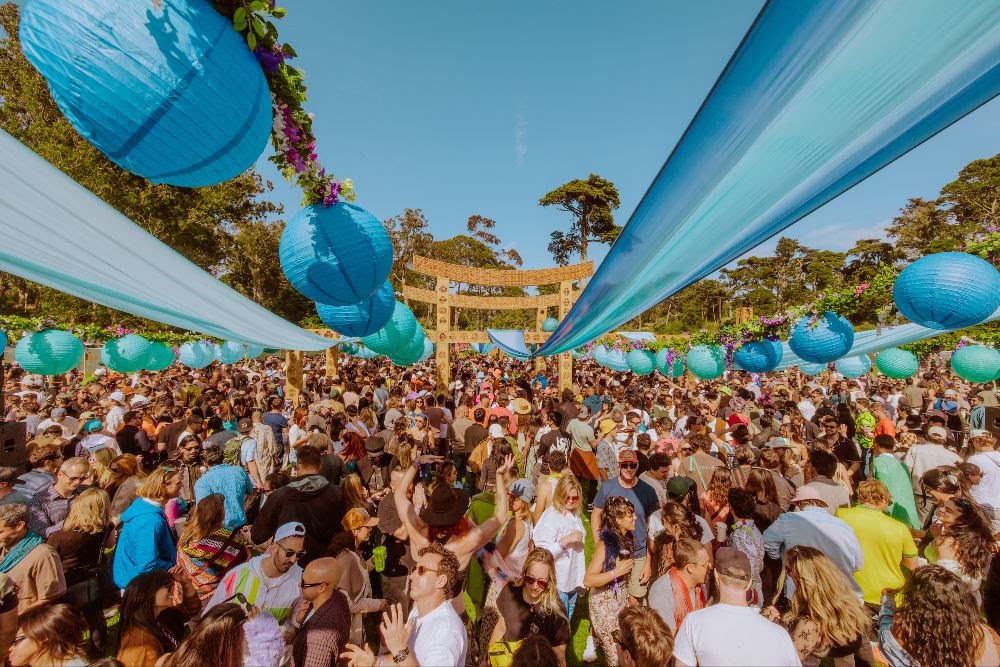
The challenge of maintaining a connection with an audience is perhaps the most daunting aspect of the profession. Raw Main admits that the most difficult moments occur when that connection is severed. “The worst moment for a DJ is when you are not connected with your crowd,” he reflects. “Even if you try different genres of music, nothing works.” In such instances, he suggests that a well-placed edit can sometimes serve as the necessary catalyst to shift the room’s trajectory.
To avoid monotony, he prioritizes variety and pacing. “I really try to vary the moments so I do not bore the crowd. It is important to build in a crescendo, then come back down and switch registers.” He finds that longer sets—typically three to four hours—provide the necessary breathing room to experiment and introduce new ideas without the pressure of a rushed timeline.
Advice for the Next Generation
When asked about the inevitability of mistakes on stage, Raw Main offers a grounded perspective. “We all make mistakes, and we need to make them. I do not know anyone who is perfect. So make mistakes, and do not repeat them the next time.” This philosophy of continuous growth, combined with his upcoming performances in Mexico City and New York alongside Lee Burridge, underscores his commitment to the art of the DJ set—a craft where emotion, pacing, and audience connection must always remain in perfect harmony.