5 Essential Lessons from III Points: Points of View 2026
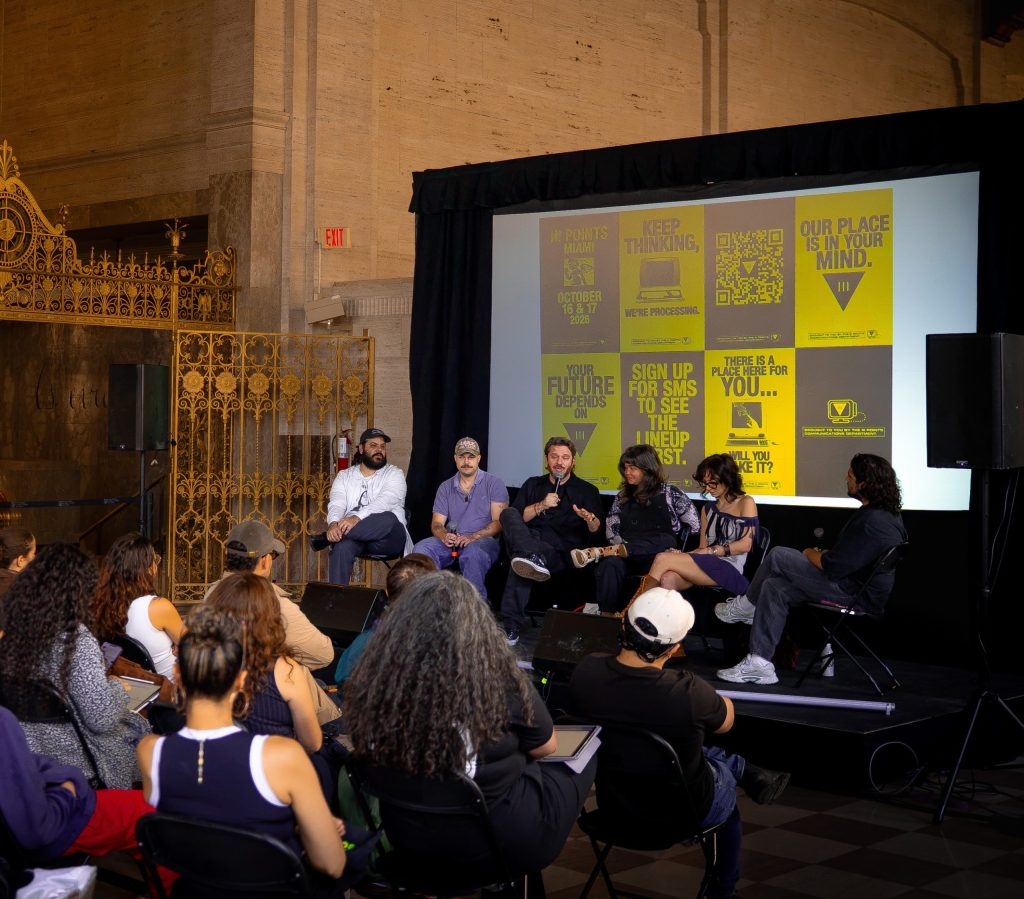
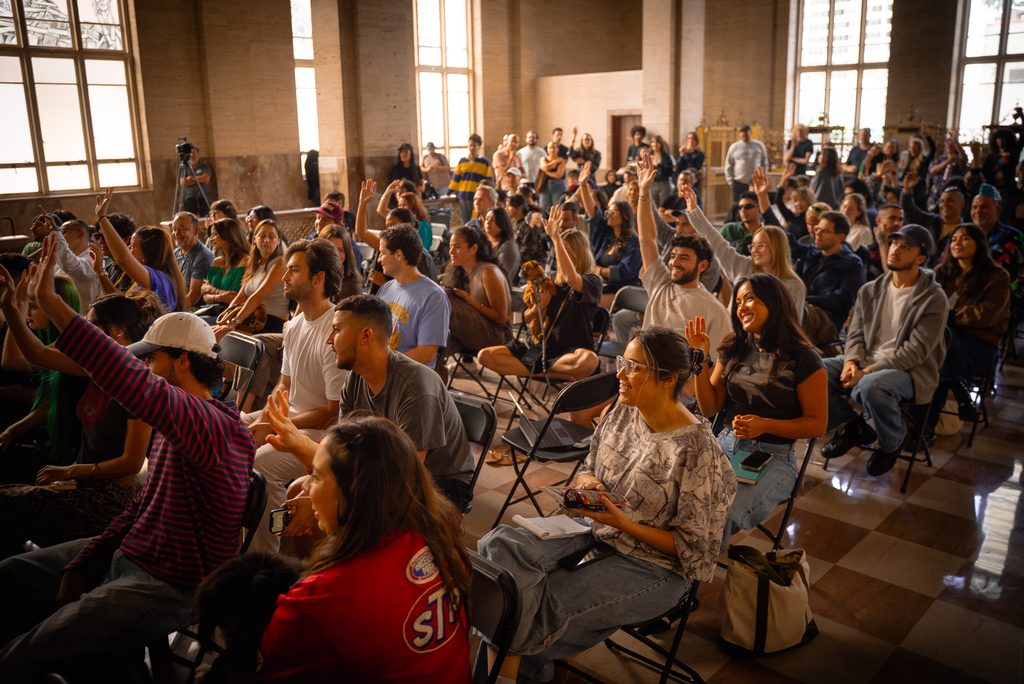
This past weekend, III Points brought Points of View to the Historic Alfred I. DuPont Building in Downtown Miami for two days of conversations built around the realities of working in the city’s creative industries. This free event covered everything from booking and artist development to local government, funding, event production, and social strategy, with Miami artists, talent buyers, business owners, and cultural leaders sharing lessons from their own careers ahead of III Points’ return to Miami this month. The programming was also broadcast through Miami Community Radio.
What stood out most was how practical a lot of the advice was. There were no magic formulas or shortcuts. Again and again, the conversation came back to doing strong work, being part of your community, building relationships early, and understanding what it actually takes to execute an idea. These are the five lessons that stuck with me most.
1. The Music Still Has to Come First: Inbal Lankry
With all of the attention placed on branding, content, networking and building a team, Inbal Lankry of PRISMA Artists brought the conversation back to the most basic part of an artist’s career: “the music is #1.” It sounds obvious, but it is also easy to lose sight of when artists are expected to operate as content creators, marketers and entrepreneurs at the same time. Lankry also encouraged artists to ask questions, connect directly with people through DMs and build relationships outside of their immediate market, including internationally.
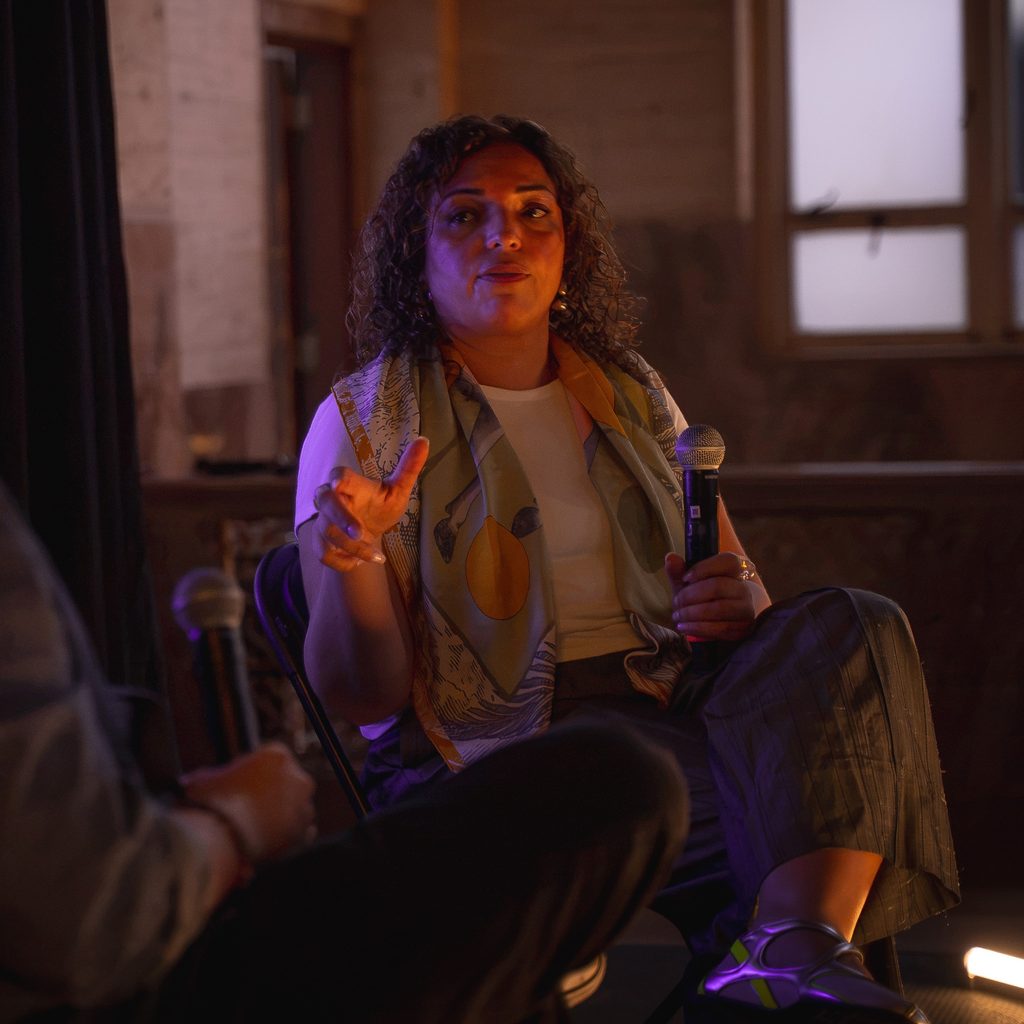
My takeaway was not that those other pieces do not matter. They do. But none of them can compensate for music that is not connecting. The foundation still has to be solid before everything else can amplify it.
2. Getting Booked Starts Long Before You Ask for the Booking: Carlos Saavedra
For emerging DJs, Club Space Head Talent Buyer Carlos Saavedra gave some of the weekend’s most immediately actionable advice. Instead of treating booking teams like email addresses you contact when you need a gig, Saavedra emphasized showing up to venues and events, meeting the people involved, supporting other artists, and becoming an active part of the scene.
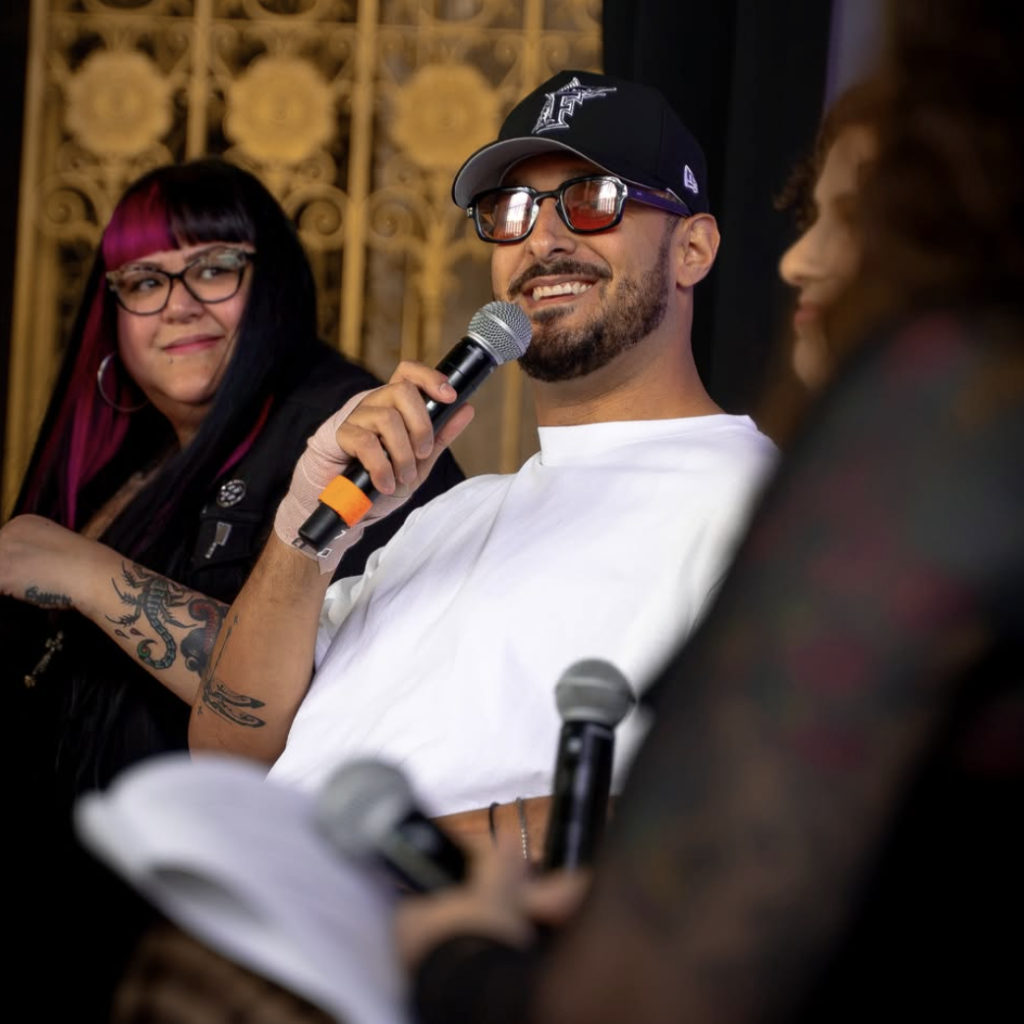
Taken together, it reframed booking as something built through participation, consistency and professionalism rather than a single pitch.
3. Build the Relationship Before You Need Something: “MJ” Green
One of the most useful conversations for anyone trying to build events or creative projects in Miami came from “MJ” Green, Executive Director of the Miami Downtown Development Authority. “Don’t wait to get to know your government,” Green advised. “Reach out early.” The larger lesson applies well beyond government. Relationships become much more valuable when they are built before there is an immediate ask attached to them.
4. Triple the Budget. Triple the Timeline: Nick Katz
Nick Katz, Owner of Andrew Skate Shop and Founder of Skate Free, gave perhaps the most memorable piece of practical advice of the weekend: “Anytime you think a business or project is going to cost X, triple it.” His point extended to time as well. Whatever timeline you think a project will require, prepare for it to take considerably longer and enter the process overfunded and overprepared.
5. Being Resourceful Is Part of Being Creative: MOKIBABY
During The Art of Production: Building Live Experiences, MOKIBABY, aka Veronica Gessa, approached creativity from the side people in the audience usually never see: how an experience actually gets built. Her budgeting advice boiled down to being crafty. Creativity is not only having the vision; it is figuring out how to make the vision work with the people, space, budget, and resources you actually have.
None of those ideas are shortcuts, which is probably why they are the ones worth taking home.