ROLI Introduces AI Music Coach for Real-Time Piano Learning
ROLI is taking a very direct swing at one of the biggest friction points in learning piano, and the new AI Music Coach (beta) feels less like a concept demo and more like a product that was designed by people who actually practice. Built directly into the ROLI Learn app and unlocked through the Airwave device, this system brings real-time visual hand tracking, voice interaction, and adaptive lesson guidance into a single workflow that stays focused on playing, not menus.
The core idea is simple to explain and harder to execute.
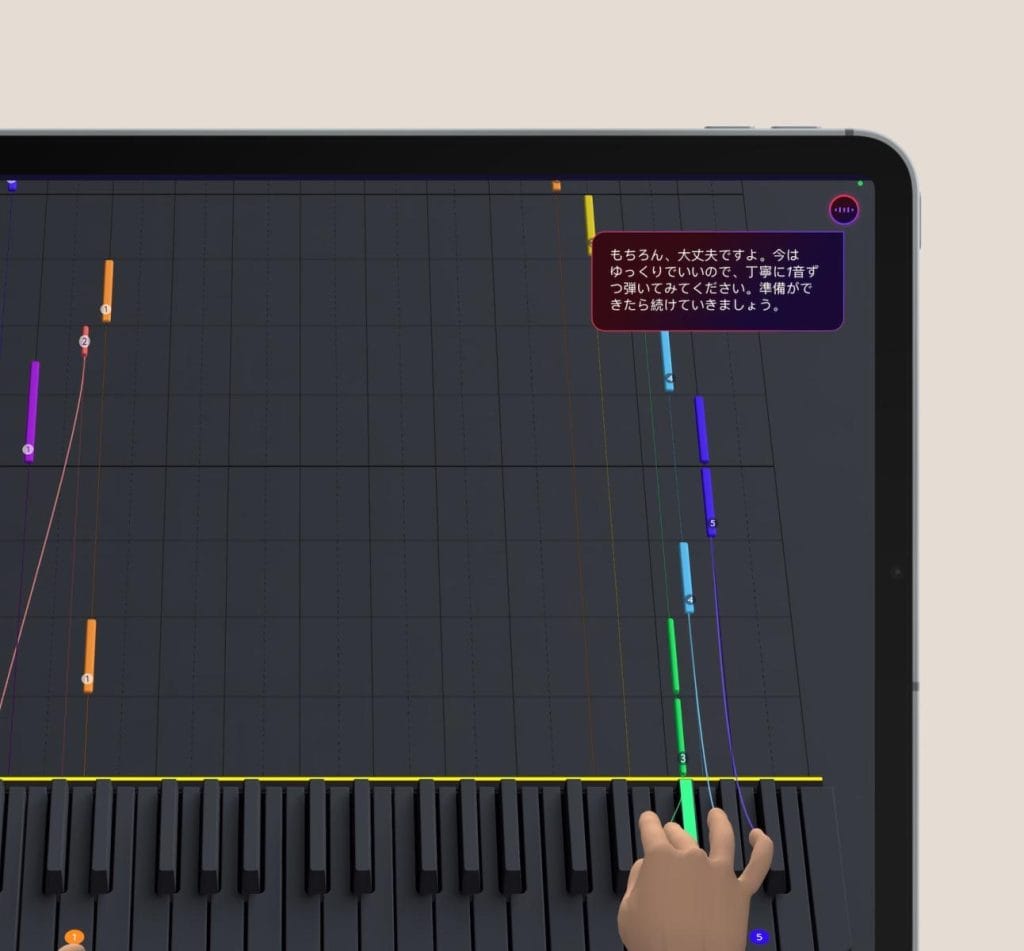
AI Music Coach watches how you play in real time, not just which notes you hit, but how your hands move, how your fingers land, and how your posture develops, and then responds immediately with guidance. You can talk to it naturally, ask it to slow things down, repeat a bar, switch learning modes, or jump into a song, and it reacts like a coach sitting next to you rather than a static lesson player.
That conversational layer is what separates this from standard app-based piano learning.
How AI Music Coach Actually Works in Practice
At the center of the system is Airwave, ROLI’s infrared hand-tracking device that captures all 27 joints in each hand at 90 frames per second. That data feeds directly into the AI Music Coach, allowing it to understand finger placement, movement, and technique instead of guessing based on MIDI input alone. The result is feedback that feels specific rather than generic, especially when correcting fingering, timing, or inefficient motion while you are still playing.
The experience starts with a conversation. You can say things like “teach me a new song,” “let’s practice chords,” or “give me a game,” and the app routes you into lessons, songs, or exercises that match your level and interests. From there, you stay in control. You can slow passages down, loop difficult sections, switch between piano roll and sheet music, or skip ahead, all without breaking your practice flow.
What stands out here is how naturally the system adapts over time. Because AI Music Coach tracks your progress and physical habits, it knows when to reinforce fundamentals and when to move forward. That kind of pacing usually comes from working with a human teacher, and while this does not replace that relationship, it does fill the gaps between lessons in a meaningful way.
A Practical Use of AI in Music Learning
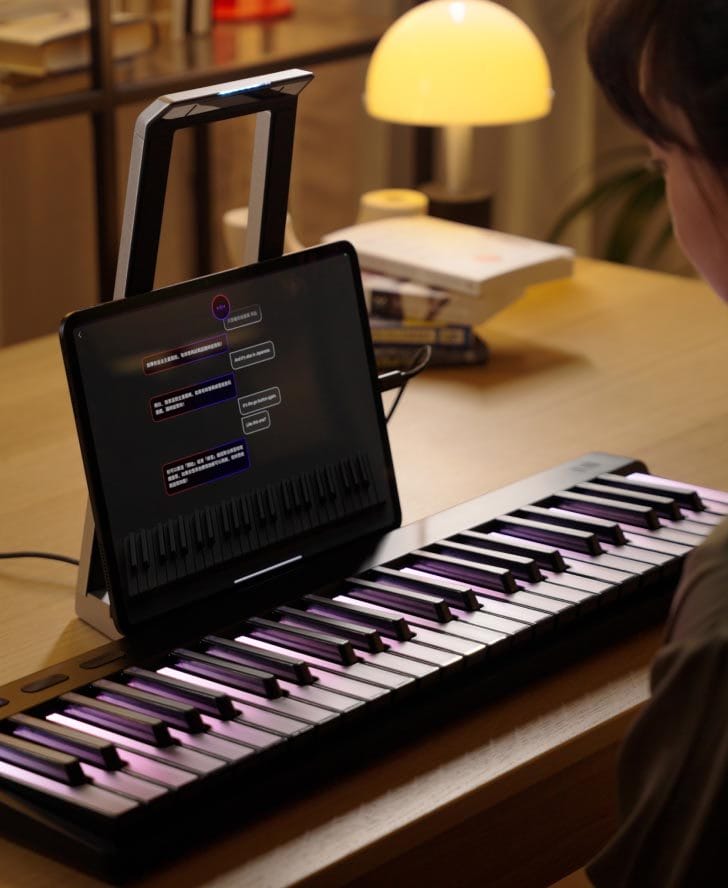
ROLI is very clear about its position on AI, and it shows in how this product is framed. AI Music Coach does not generate music or remove the need to learn. It supports learning by reducing friction and keeping players engaged. The system supports 40 languages, has already been tested by learners across age groups, and focuses on building good habits early rather than fixing bad ones later.
Paired with the ROLI Piano’s four-octave, full-size illuminated keys and the depth of content inside the ROLI Learn app, which includes over 1,200 songs and hundreds of lessons, this feels like a complete learning environment rather than a single feature drop. Everything you practice here transfers directly to a traditional piano, which matters if your goal extends beyond the screen.
From a broader perspective, this feels like one of the more grounded uses of AI in music education right now. It stays human-centered, stays focused on practice, and stays out of the way when it needs to. For beginners, it lowers the barrier to getting started. For returning players, it provides structure without pressure. That combination makes AI Music Coach less about hype and more about usefulness, which is exactly where this kind of technology needs to land.