RILEY on Authenticity, Identity, and the Release of “Falling Deep”
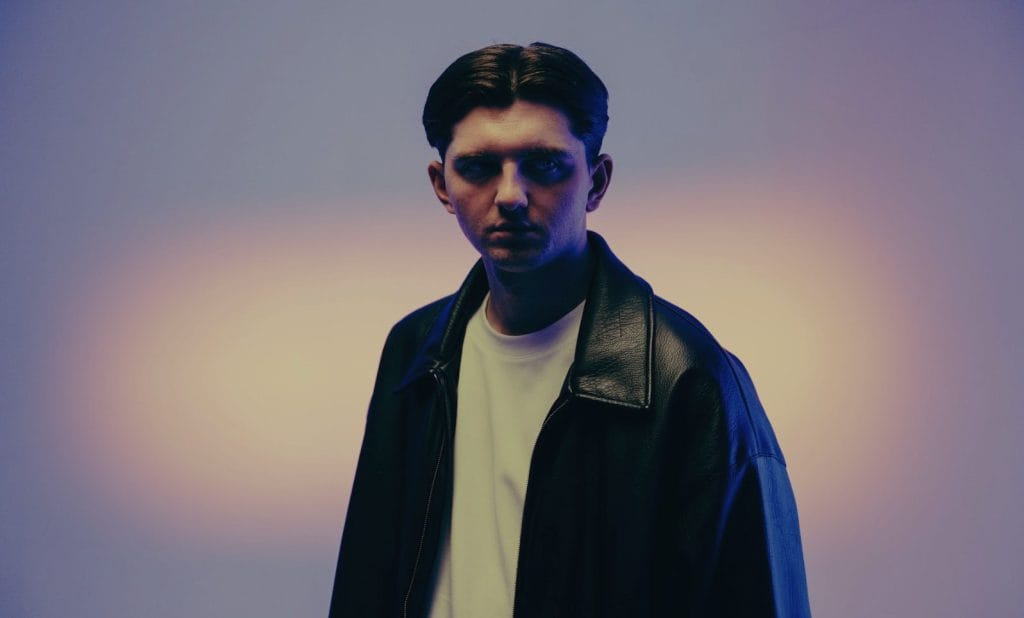
RILEY (@rileyuk.dj) returned on March 26 with “Falling Deep”, a two-track release on his RLY imprint that frames one idea through two different angles. The original version, featuring Sophia Fernandes, stays rooted in his current direction, with tightly controlled groove, low-end pressure, and a measured sense of movement.
Alongside it, the “2012 Mix” reaches back toward the slower, more atmospheric deep house language that shaped so many dancefloors in the early 2010s. Taken together, the release connects RILEY’s present identity with an earlier period that still clearly informs how he hears club music.
That same sense of identity runs through this interview. RILEY speaks directly about visibility, branding, and authenticity, and his answers align closely with what this release suggests about his broader project. He is not presenting public image and music as separate things. Instead, he sees presentation as an extension of the records, the label, and the world around them.
With “Falling Deep,” that approach feels especially clear because the release looks backward and forward at once while staying fully connected to the sound and perspective he has been building.
Interview With RILEY
How do you approach self-promotion in a way that reflects your real identity?
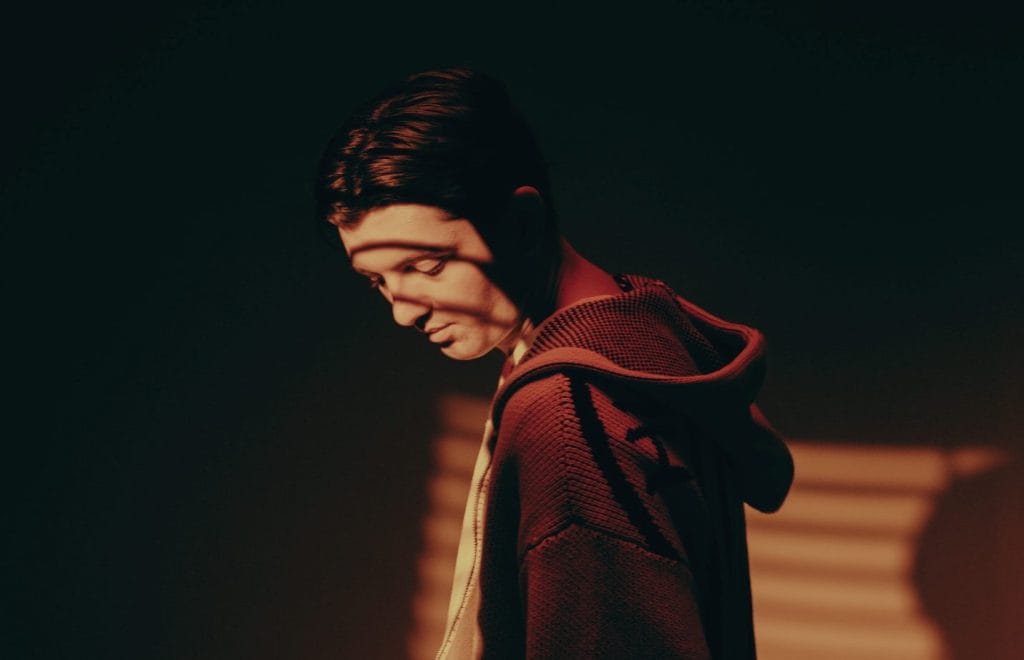
“For me, self-promotion is really just an extension of the music. I try not to create a separate online version of myself. I’d rather show real moments, whether that’s in the studio, playing my music out live, or the creative process behind a release.
I’m more interested in building a consistent world around my music. I think it’s important to keep everything on brand and in suit to me and my style. If someone finds my work, I want everything they see such as the visuals, the label, the content to feel honest and connected to who I am as an artist.”
Have there been moments where refining your public presence led to personal clarity?
Yeah, definitely.
Being more intentional about how I present myself publicly actually made me clearer about what I stand for creatively. Making certain decisions on how I want myself to be perceived as an artist led me to also make certain decisions about the presence of my music and brand identity as a whole. When you have to decide what to show and what represents you, you start understanding your own vision more. I realised I don’t need to constantly reinvent myself or chase trends, it’s more about consistency and honesty.
What principles guide how you present yourself online or in press materials?
I mainly focus on consistency with the sound and the label’s identity. If something doesn’t feel aligned with that bigger picture, it’s probably not right for me to share.
How has your relationship to visibility evolved over time?
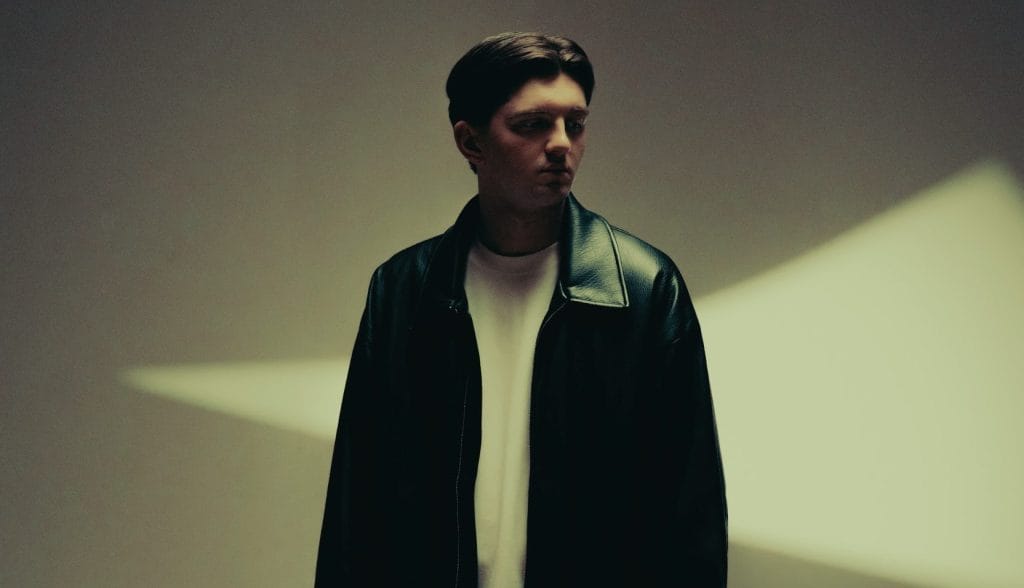
I think early on I was probably looking at what other people were doing and trying to follow those patterns. Over time I realised the best approach is finding your own way of doing things, methods that actually feel authentic and original to you.
Now I see visibility less as copying a formula and more as expressing who you are creatively. Once I leaned into that, everything felt more natural.
What helps you distinguish between genuine connection and strategic presentation?
For me genuine connection usually feels honest, it’s something I’d want to share anyway because it reflects where I’m at creatively. Strategic presentation isn’t exactly a bad thing, but you can tell when something starts to feel forced or like you’re following a formula.
I guess it’s quite a fine line and I try to stay aware of that line and make sure whatever I put out still feels real and connected to the music, rather than just being about visibility. So i guess having a strategy with authentic intention can never really fail you
Is there a platform or format where you feel most aligned with who you are?
Honestly, live sets. That’s where everything feels the most honest, no filters, just the music and the crowd.
In a live set you hear my own music, but also the wider world of inspiration behind it, the sounds, records and influences I grew up on. It’s the purest way to understand where my music comes from and what I’m trying to create.
What perspective would you offer to younger DJs navigating authenticity and exposure?
I don’t think there’s one formula for getting the best exposure as an artist. For me, the most important thing is authenticity. The best way to present yourself is simply to be who you are, that’s the real formula. When you’re genuine, people connect with you on a deeper level, and that connection feels real rather than forced. It also makes consistency easier, because you’re not trying to be anything else.
Authenticity is what builds trust with listeners and allows your journey to grow naturally over time.