Detroit’s Museum of Electronic Music Seeks New Location After Redevelopment Setback
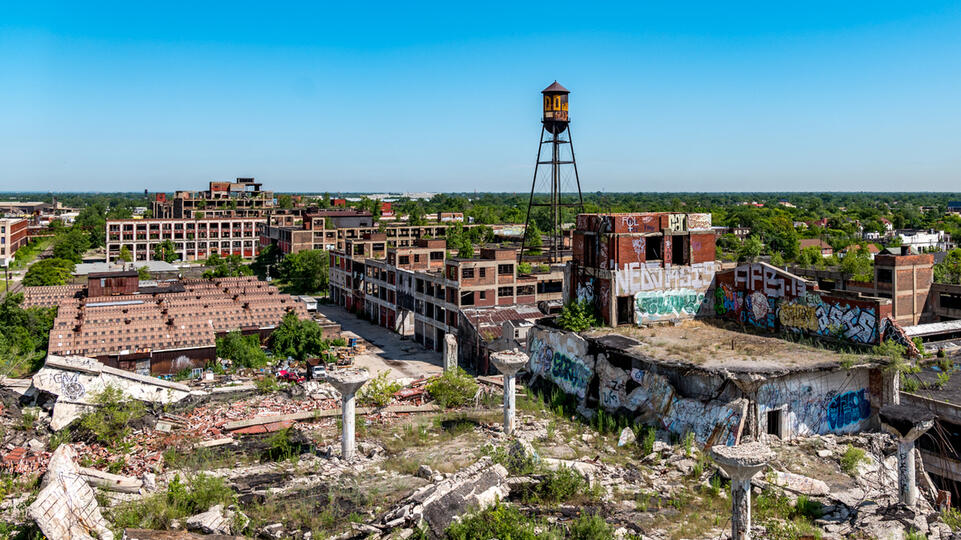
Detroit doesn’t let its legacy fade quietly. Plans to transform the city’s iconic Packard Automotive Plant into a sprawling cultural hub have hit a significant wall. Anchored by the long-awaited Museum of Detroit Electronic Music (MODEM), the project was intended to revitalize the city’s East Side. However, the recent collapse of the $50 million “Packard Park” redevelopment deal has forced the museum to pivot.
A New Path for MODEM
The dissolution of the redevelopment agreement has left a massive void in the city’s vision for the historic site. Once positioned as the beating heart of the project, MODEM now finds itself untethered from the location that symbolized the raw, industrial energy of the city’s underground roots. Yet, in true Detroit fashion, the mission remains undeterred.
According to MODEM founder Adriel Thornton, the museum was never meant to live or die by a single real estate deal. The city’s decision to reconsider the use of one of its largest remaining parcels has opened the door for new possibilities. Originally conceived in 2020, the museum aims to preserve and celebrate Detroit’s unmatched influence on electronic music—a legacy born in warehouses and forged in after-hours sessions that eventually reached dance floors across the globe.
Preserving the Underground Spirit
Ironically, the Packard Plant itself was a perfect embodiment of that history. Long after its days as an automotive powerhouse ended, the abandoned complex became a playground for the underground, hosting raves, parties, and defining moments in 90s techno influence.
New locations are already being explored, with a particular focus on central neighborhoods like Midtown, areas more aligned with Detroit’s current cultural pulse. A crowdfunding campaign is also expected to launch, signaling a shift toward a more independent, community-backed path forward. There is still a possibility that MODEM could return to the Packard site if redevelopment talks are revived, but for now, the priority is survival and maintaining momentum.
Because if Detroit’s history has proven anything, it’s that its music was never dependent on infrastructure. It was built in spite of it. And this museum? It’s starting to look the same way.