Holy Priest Addresses Allegations of Pre-Recorded Sets
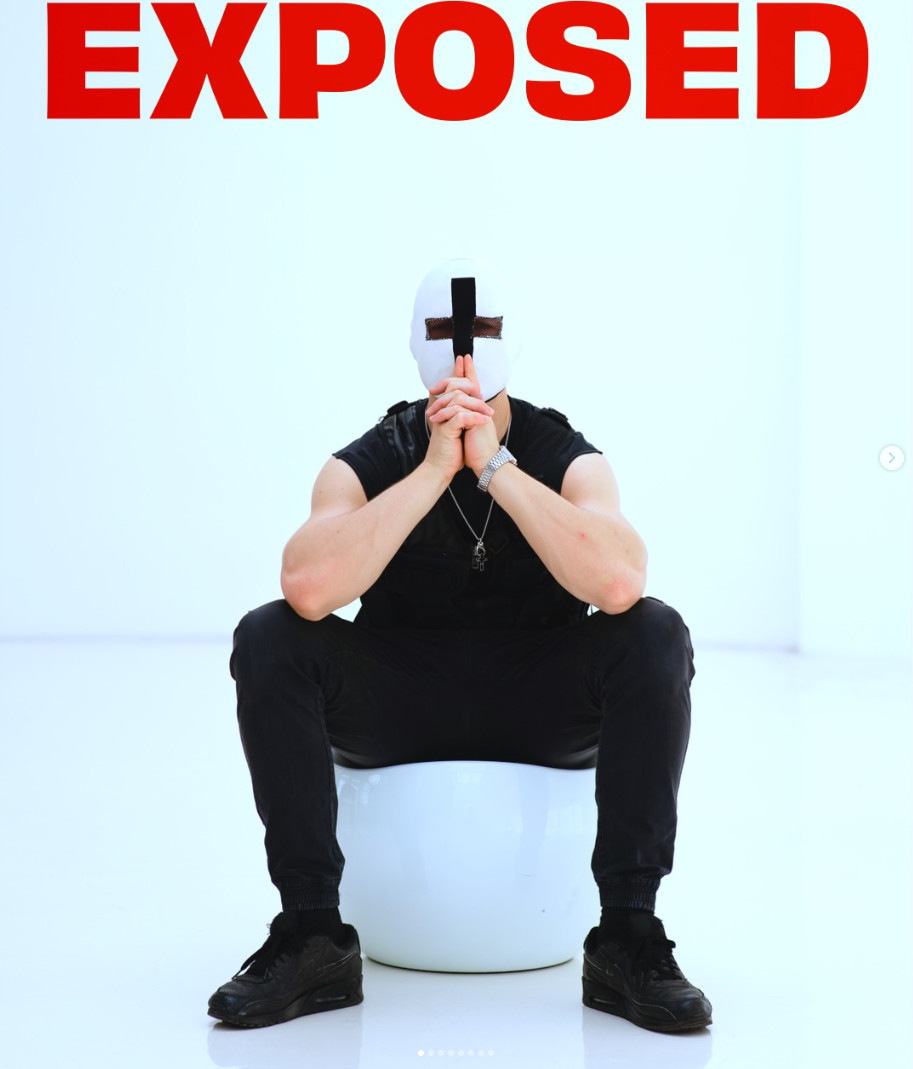
Accusations regarding ghost-produced music and pre-recorded DJ sets have remained a persistent topic of debate within the dance music community. While some claims hold weight, others often stem from a misunderstanding of the modern performer’s role. The latest artist to find himself at the center of such scrutiny is the genre-bending bass and hard techno DJ Holy Priest.
The controversy began when the Instagram account for LoudLife, a European publication, alleged that Holy Priest had performed a pre-recorded set. However, a closer examination of the footage provided in the post suggests a more complex reality. The video clearly displays two distinct tracks being managed across two separate channels, with clear transitions and active, performative manipulation of the mixer’s controls.
In a direct response to the rumors, Holy Priest took to Instagram to clarify his stance and address the evolving nature of live electronic music. He argued that the contemporary artist’s role has shifted into a multifaceted blend of producer, storyteller, and entertainer. For many performers today, the priority is showcasing original compositions and custom edits that have been meticulously crafted in the studio, rather than relying solely on traditional turntable techniques.
While acknowledging that some artists utilize pre-recorded sets to synchronize intricate visual and pyrotechnic displays—a practice he noted he respects due to its technical complexity—Holy Priest explicitly denied using such methods himself. He reaffirmed his commitment to live mixing, emphasizing that his goal is to remain present and responsive to the energy of his audience.
Addressing the specific criticism regarding his physical movements on the mixer, often derisively labeled as “fake knobbing,” he defended the habit as a subconscious extension of his mental preparation. He likened these actions to a boxer’s rhythmic footwork, describing them as a way to stay focused and prepared for the next transition while reading the crowd. Ultimately, the artist dismissed the narrative by leaning into the irony, signing off as “Your fakest DJ” to signal that his priority remains the connection with his fans over the opinions of those who misunderstand the nuances of his craft.