Chuck Daniels on Detroit Roots, Longevity, and the Future of House and Techno
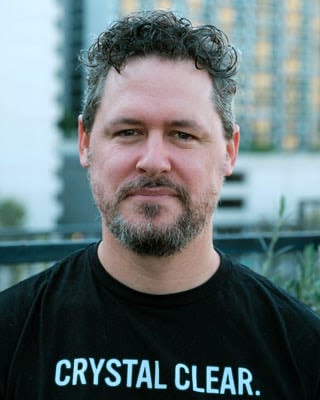
For more than two decades, Chuck Daniels has operated at the intersection of house and techno while remaining firmly rooted in Detroit’s musical lineage.
Raised on the city’s deep record culture and shaped by early crate digging at shops like Record Time and Melodies & Memories, Daniels built his reputation through a mix of production work, global touring, and his long-running Sampled Detroit event series. His catalog includes collaborations and remixes with artists such as Amp Fiddler, Claude Young, and Osunlade, as well as releases across labels that helped define the modern house circuit.
Today Daniels continues expanding his footprint with the launch of his new label Beatstrong while maintaining the legacy of Sampled Detroit, an event series approaching twenty five years in the city that shaped his sound.
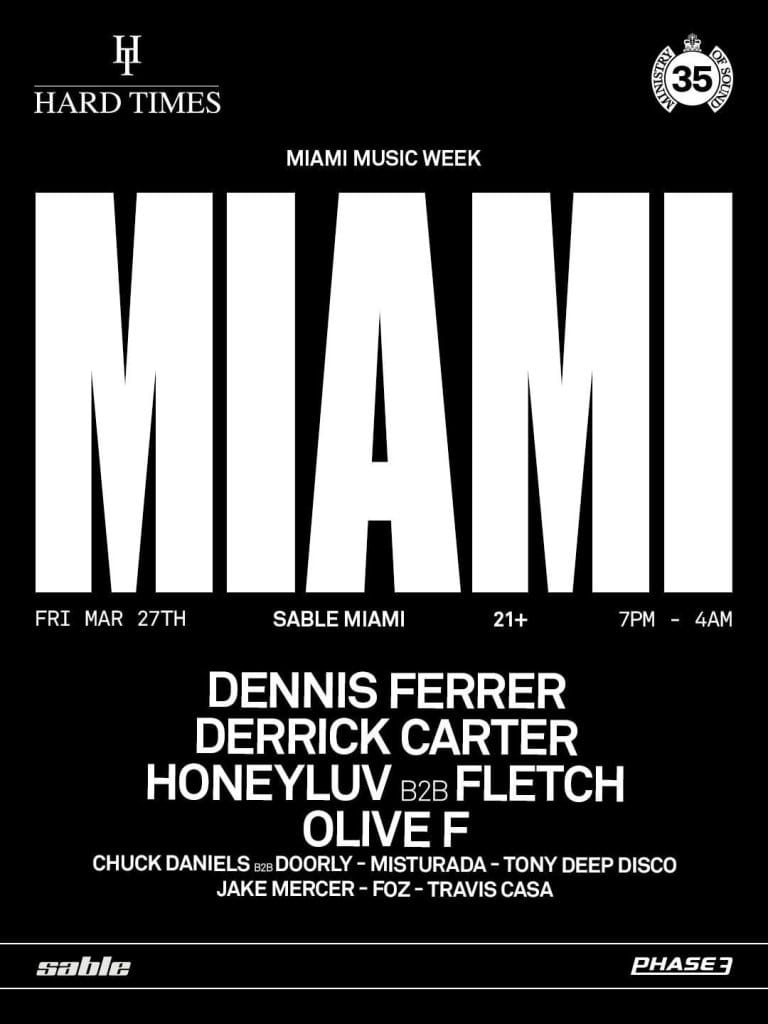
With upcoming appearances including a Miami performance alongside Doorly, Derrick Carter, and Dennis Ferrer, Daniels remains deeply connected to both the history and ongoing evolution of club culture. In this conversation, he reflects on Detroit’s influence, the discipline required to stay active for decades, and the mindset that continues to drive his work behind the decks.
Interview With Chuck Daniels
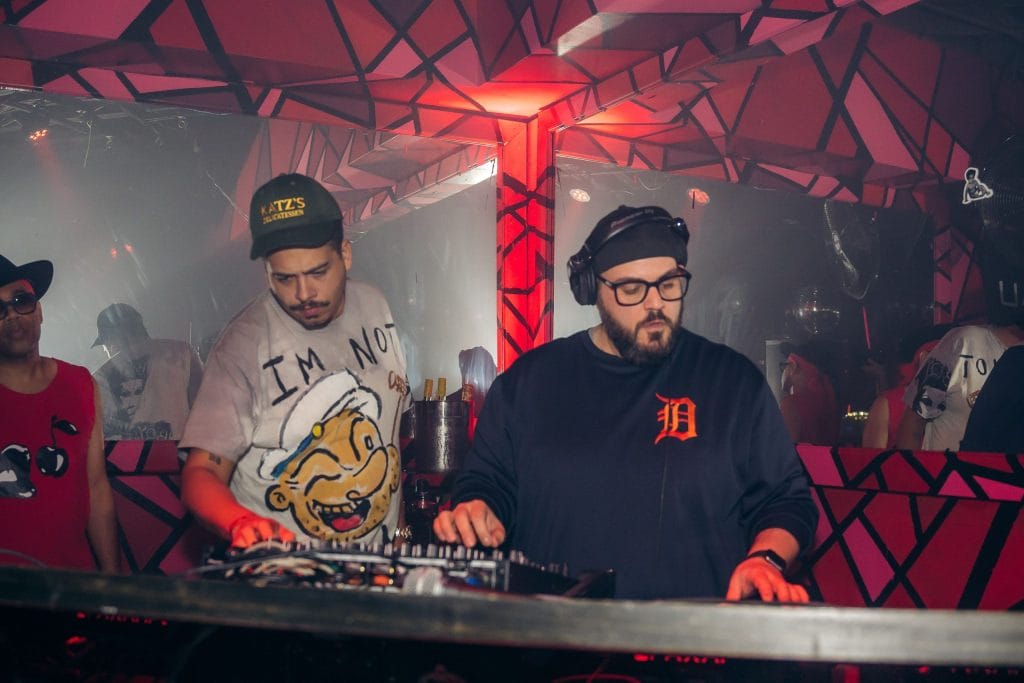
Who were the first DJs in Detroit that made you take the idea of DJing seriously?
Kevin Saunderson has always been my favorite DJ from Detroit. His sound, blending house and techno, has consistently inspired and driven me as an artist.
Like me, he’s a powerhouse behind the decks, performing with confidence and presence that I’ve always admired. His label, KMS Records, released some of the first records I ever added to my crate, which made me an early fan.
As part of Inner City, tracks like “Big Fun” and “Good Life” were staples in my DJ sets for years. When Kevin asked me to remix Inner City, I was truly honored, something I never imagined would happen. Hearing him play and rinse the remix on major platforms like Boiler Room meant the world to me, and my respect for what he’s done for Detroit and dance music as a whole is immense.
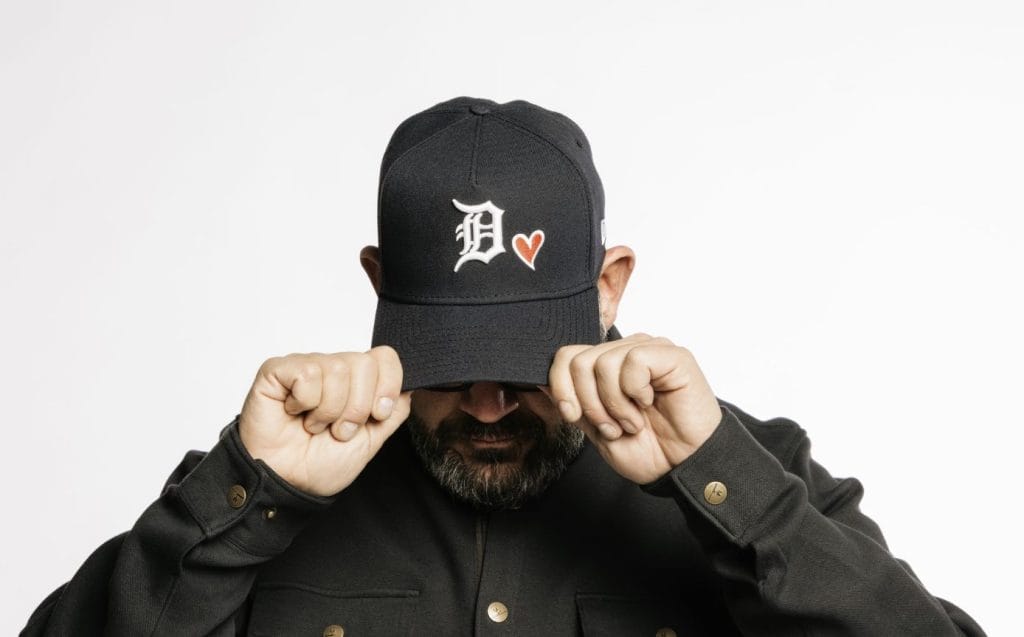
What did you learn from digging for records in Detroit shops early on, and how did that shape your taste?
I’ve learned that so much of the music I love was created right here in Detroit, especially by Black artists from the city. That realization deepened my appreciation for the roots of the sound.
So much great music is born from struggle, hardship, and making something powerful out of very little. Pain, joy, and raw emotion often spark creativity in its purest form. Black music, in particular, deserves recognition for shaping the foundation of what we now know as house and techno.
These genres didn’t just appear. They grew from real experiences and real communities. Understanding that history makes the music we all enjoy even more meaningful.
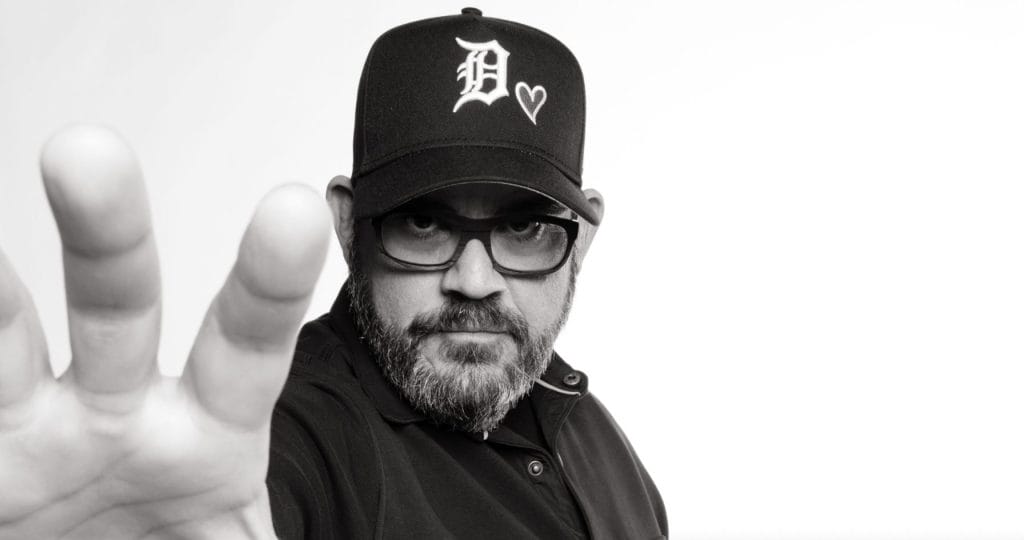
Where do you draw the line between house and techno in your sets, and what makes you cross it?
I don’t limit myself to one specific sound. My favorite tracks are the ones that can fit seamlessly into either a house or techno set. That blurred space in between really sparks my interest. I learned early on how to read a crowd and play to their energy and reactions.
While I always stay true to what I love, I choose music that best suits the room and the moment. I aim to balance my personal style with what feels right for the environment. Because of that, you can hear me playing everything from disco to deep house and beyond.
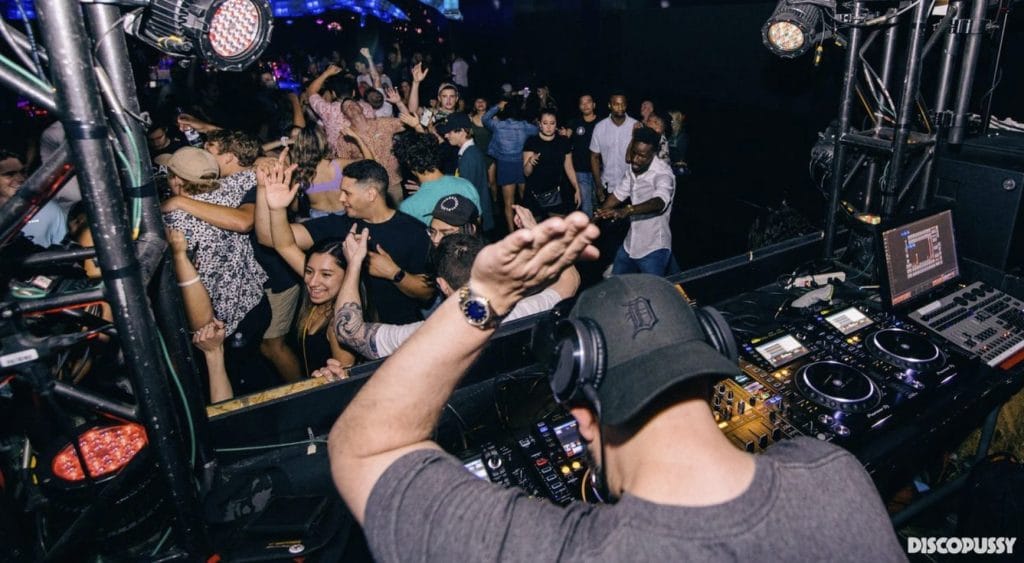
Why do you think the Detroit sound keeps cycling back into broader club conversations every few years?
Detroit is the true mecca of music and deserves to be at the center of the conversation because of its powerful influence. Whether it’s house, techno, funk, soul, or disco, music as we know it would be very different without Detroit. So much great music comes from emotion and hardship, and Detroit has experienced plenty of both.
That lived experience has shaped the city’s sound and fueled generations of incredible talent.
There’s a depth and drama to Detroit that you can hear in its music. Detroit’s music has always reminded me of an orchestra. Layered, powerful, and full of emotion. It builds tension and release in a way that keeps you on edge.
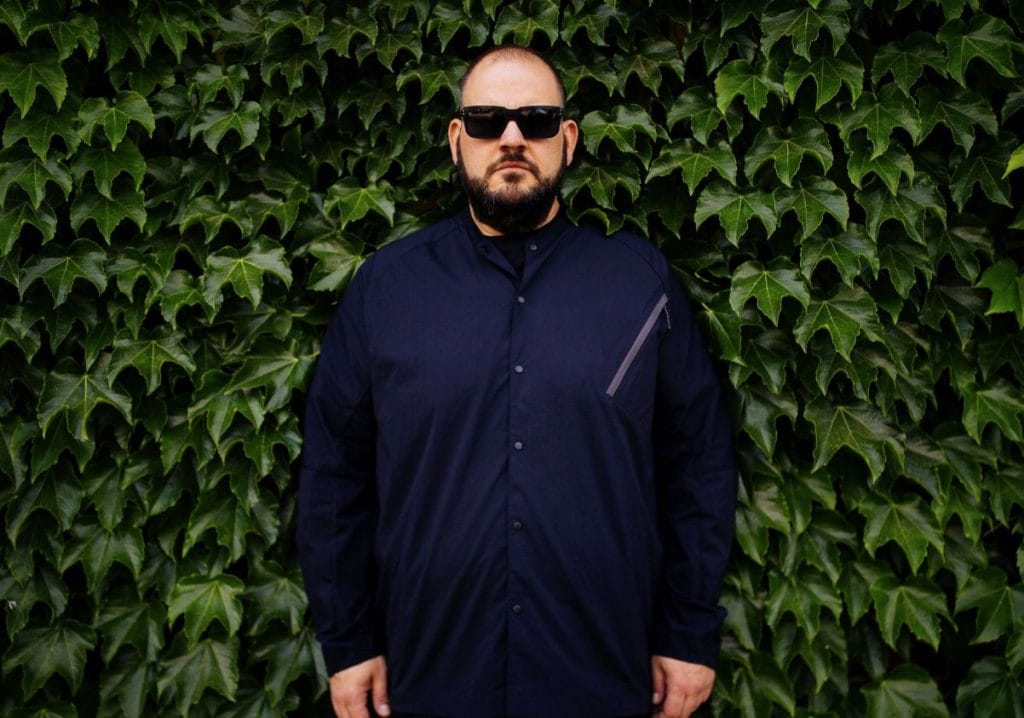
What do you think newer DJs misunderstand about longevity, and what habits do you associate with staying active for decades?
I think many young people associate DJing with fame and being in the limelight, but those are just surface level aspects. Younger folks may not realize the struggle and hard work it takes to succeed or even stay relevant in this business. A lot of people enter it for the wrong reasons, and those are the ones who come and go.
You have to have a true passion for it to stick around because, for many, it’s definitely not about the money.
I could have gone to school for six to eight years and pursued a more traditional path, which would have been easier financially, but I’ve never followed the money. I grew up with records in my hands, thanks to my parents, and I’ve never looked back.
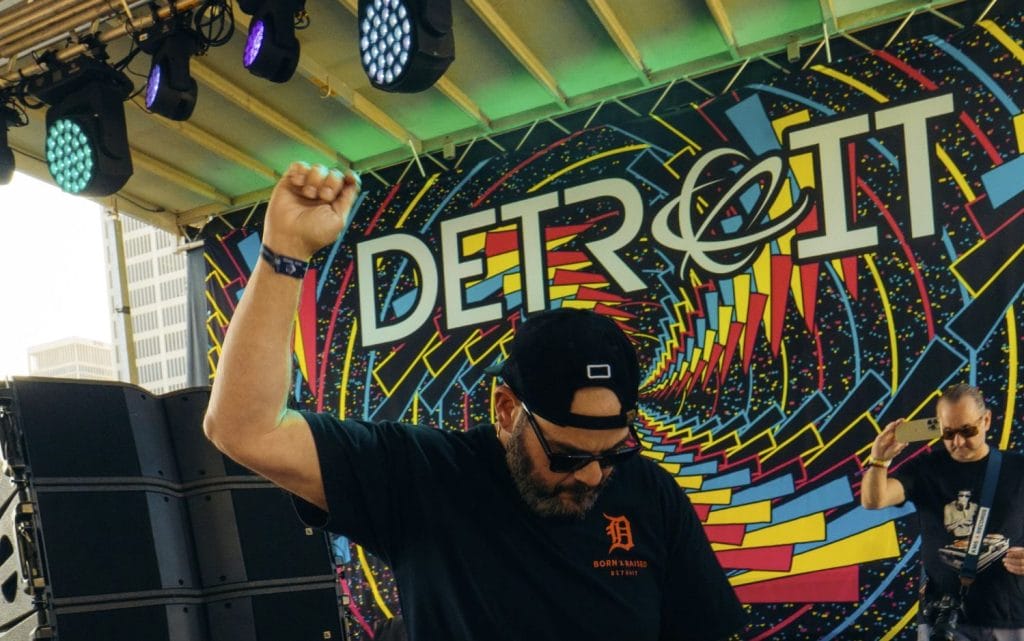
If you could re run one decision from your early career with the knowledge you have now, what would you do differently, and what would you keep the same?
Not to be discouraged by “no.” In any profession, there will always be failure, but without it, there’s no reward.
As the saying goes, nothing good comes easy, and in my experience that’s true. So much of learning comes from hearing “no,” and so much motivation comes from overcoming it. Without “no,” there’s no “yes.” I’ve learned that hearing “no” is part of the journey and that it’s okay. It’s all part of growth and staying committed to what you love.
What I would keep the same is my passion and love for the music because without it I would have given up many years ago.