Environmental Groups File Complaint Against Tomorrowland Winter Over Noise Pollution
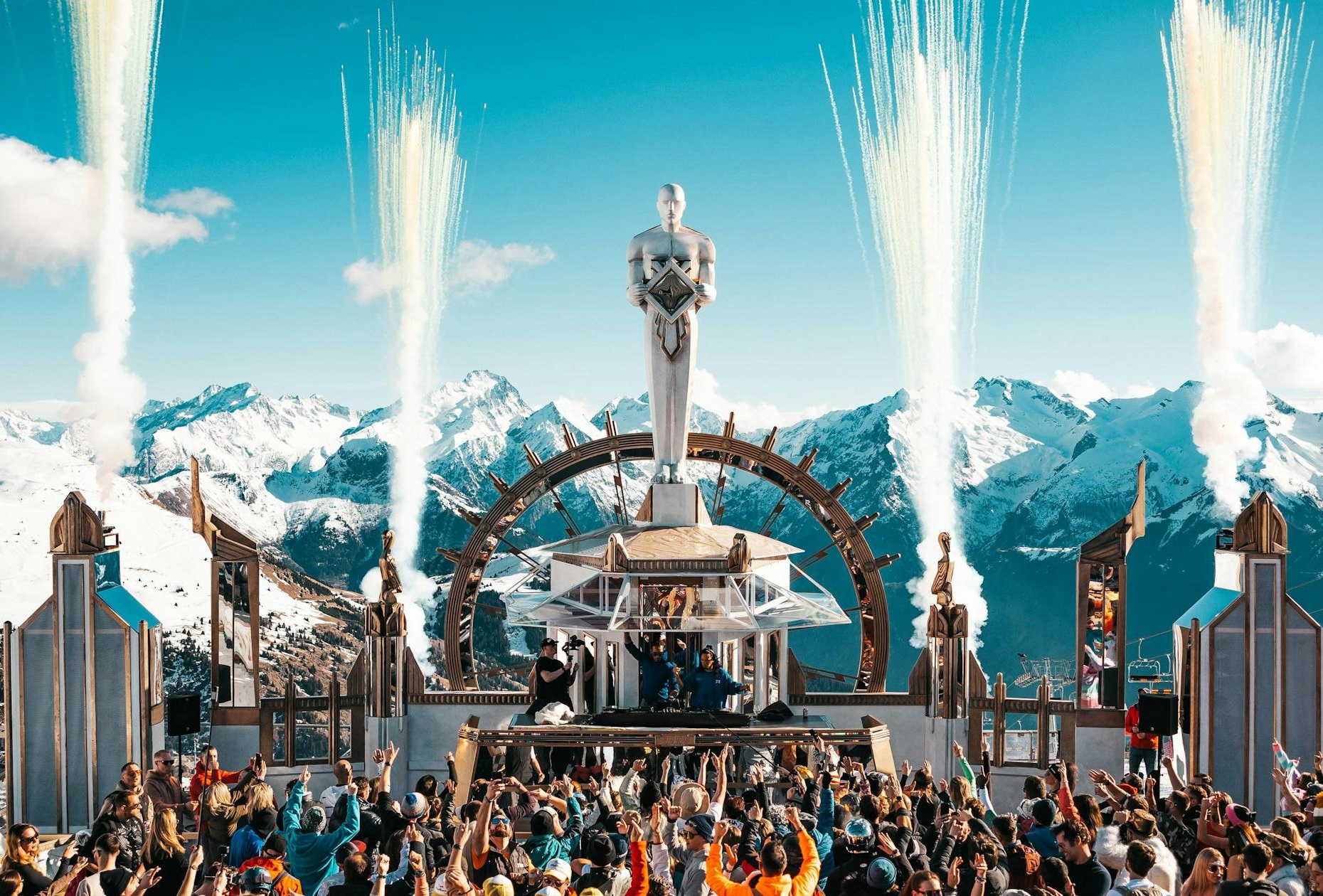
The French Alps have become the center of a mounting legal battle lately, as environmental organizations have moved to block the upcoming edition of Tomorrowland Winter. On December 29, 2025, the groups France Nature Environnement Isère and Mountain Wilderness France announced they filed a formal complaint with the Grenoble public prosecutor’s office. The filing alleges that the festival, scheduled to begin on March 21, 2026, in Alpe d’Huez, generates “illegal noise pollution” and causes significant ecological damage to the high-altitude region.
The legal action follows a controversial 2025 edition that local activists claim proved the festival is incompatible with the mountain ecosystem. Representatives from Mountain Wilderness stated that “the mountain area is being reduced to a backdrop for a mega-event“, arguing that the production prioritizes commercial spectacle over the environment. The groups are calling for a strict review of noise limits and an investigation into the festival’s overall carbon footprint, citing the high volume of international attendees arriving via private and commercial aircraft.
Allegations of Noise Violations and Ecological Impact
The core of the complaint focuses on the claim that Tomorrowland Winter “significantly exceeds legal noise limits“, which the associations argue harms the health of the local population. They have also raised alarms regarding the festival’s infrastructure. They point to the expansion of a local football field as an illegal development intended solely to support the festival’s logistics.
Environmentalists also highlighted that the community recently commemorated the disappearance of the Sarenne Glacier. They argue that hosting a mass-attendance event that encourages global air travel in a region suffering from visible climate decay is fundamentally irresponsible.
Tomorrowland Responds to Sustainability Concerns
In response to the filing, Tomorrowland spokesperson Debby Wilmsen emphasized that the organization is operating “strictly within the framework of applicable law” and that they have yet to receive the official complaint. The festival, a day festival, shuts mountain stages by 4:30 p.m., while village performances conclude by 1:30 a.m. at the latest.
Regarding the impact on local fauna, Tomorrowland asserts that its sound engineering ensures music is not audible beyond a 200-meter radius from the stages, and that the festival “takes place when most animals are hibernating. The event takes place in the center of the village, an area that is naturally rarely visited by animals“, Wilmsen states.
Debby closes by saying, “We also remain open to dialogue with local residents who may be experiencing any inconvenience“.
[H/T] HLN
*Cover image credit: Tomorrowland