FabFilter Pro-C 3 Finally Feels Like the Compressor We’ve Been Waiting For
I’ve spent a lot of time inside FabFilter compressors over the years, and Pro-C has always been reliable, but with Pro-C 3, it finally feels like they leaned into character without sacrificing control, which is exactly where modern compression needs to live. I’m not opening this to fix mistakes, I’m opening it to shape energy, add movement, and keep things feeling intentional as a track takes form.
FabFilter added six new compression styles here, and they actually matter in practice. Versatile handles most material without me thinking too hard, Smooth is perfect when I want glue without obvious gain reduction, and Upward or TTM step in when dynamics need to move forward instead of being pinned down. Op-El and Vari-Mu lean into classic behavior, but they don’t feel nostalgic for the sake of it, they feel usable in sessions that move fast.
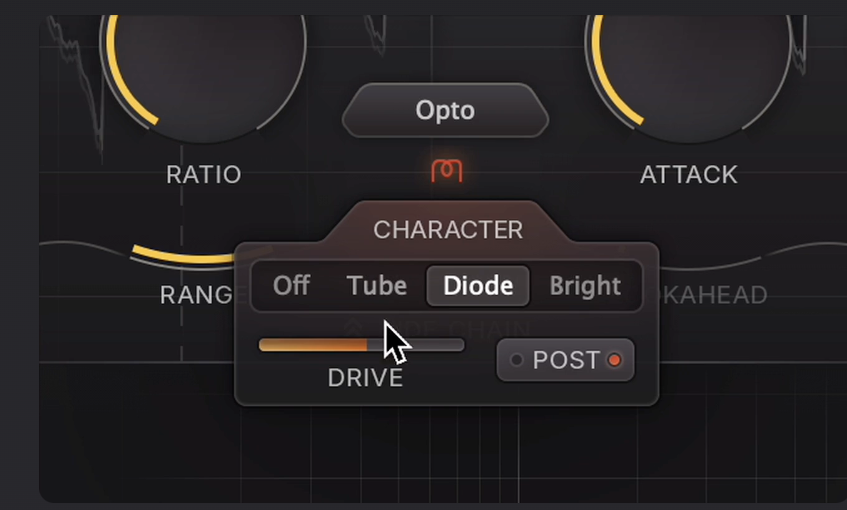
What really changes how I work is the new Character section, because saturation now feels like part of the compression decision instead of something I bolt on afterward. Tube, Diode, and Bright give me harmonic density that responds naturally to drive, and switching between pre- and post-compression routing lets me decide if I want attitude going in or polish coming out, which keeps me from stacking unnecessary plugins.
Pro-Q 4.10 Turns Compression Into a System, Not a Slot
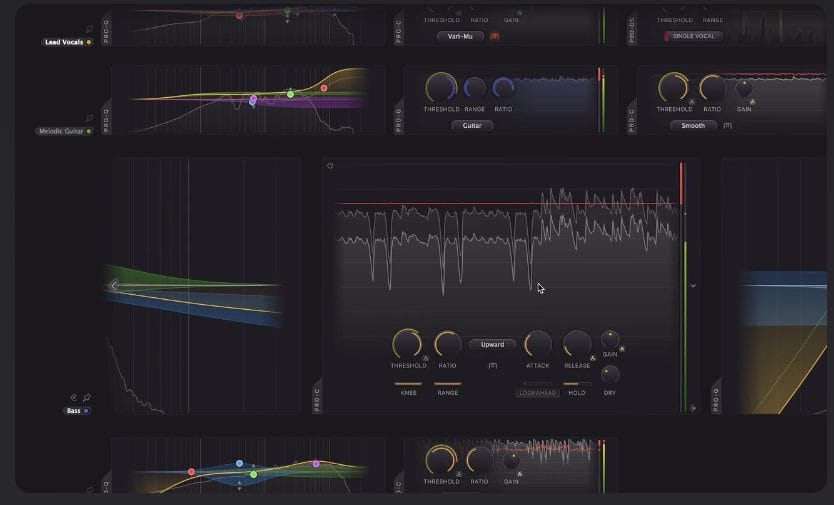
The real shift happens when Pro-C 3 starts talking directly to FabFilter Pro‑Q 4 through the Instance List, because now compression, EQ, gating, and de-essing behave like a channel strip that spans an entire session. I can see multiple instances at once, I can adjust them without losing context, and I don’t have to click through tracks just to understand what’s happening dynamically.
Sidechain control is also on another level now. Six EQ bands in the detector path give me surgical precision without turning compression into a technical exercise, and mid-side filtering lets me decide exactly what should trigger movement and what should stay stable. Host-sync triggering makes rhythmic ducking straightforward, and Auto Threshold keeps compression behavior consistent even when levels change wildly, which matters a lot for dialogue, vocals, and evolving arrangements.
Pro-C 3 also fits cleanly into immersive workflows, because surround and Dolby Atmos formats behave predictably without setup friction, and linking stays logical across channel pairs. That matters when you’re working fast and don’t want to second-guess routing choices.
What I appreciate most is that none of this feels like feature creep. Pro-C 3 feels like FabFilter listening to how people actually work now, where speed, clarity, and musical intent matter more than chasing perfect meters. I’m reaching for it earlier, committing sooner, and moving on faster, which is usually how I know a plugin earned its place.