How Music Supervisors Are Shaping the Industry in 2026
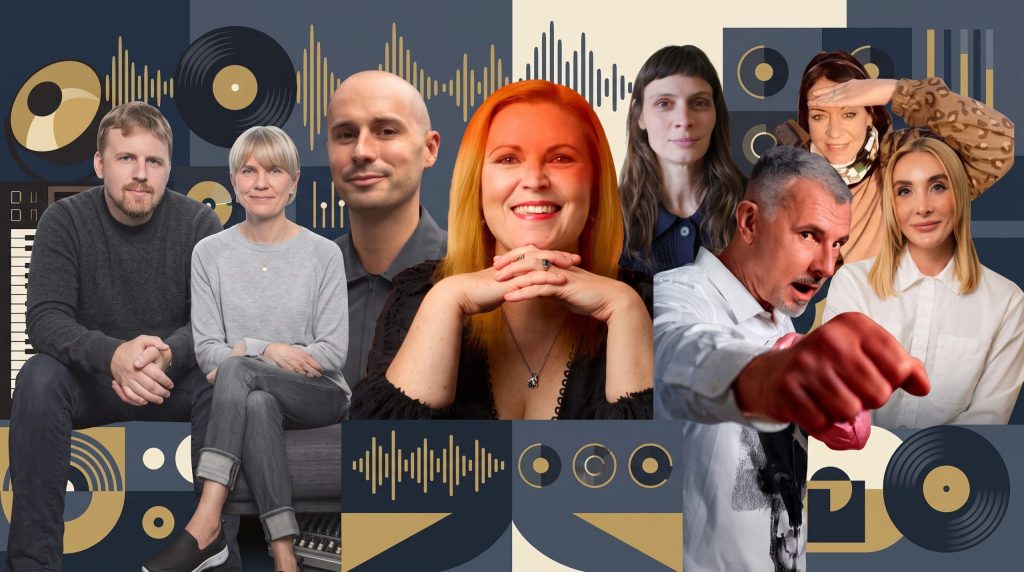
In the rapidly shifting landscape of 2026, the role of the music supervisor has become more pivotal than ever. As traditional promotional avenues like radio and viral social media moments offer fleeting results, sync licensing—the placement of music in film, television, gaming, and advertising—has emerged as a cornerstone of sustainable artist development. We spoke to ten of the industry’s most influential music supervisors to uncover how they are shaping the future of the music business and what artists need to know to secure their next placement.
The Strategic Power of Sync
For the uninitiated, a sync placement is more than just a licensing fee; it is a powerful marketing vehicle. Whether it is a high-profile commercial or a pivotal scene in a streaming series, the right placement can introduce an artist to a global audience overnight. As industry experts point out, the symbiotic relationship between music and storytelling allows a song to gain cultural context, often breathing new life into older tracks or catapulting emerging talent into the mainstream.
Gary Hilton of Gas is Music emphasizes that the pairing of audio to picture is a deeply personal, emotional process. “Music moves people, defines eras, and fills the screen,” he notes. Similarly, Thomas Cottrell of RESISTER Music highlights the importance of authenticity, noting that their agency was founded to address the lack of gender diversity in media composition, ensuring that the talent behind the music is as diverse as the stories being told.
Navigating the Industry as an Artist
One of the most common questions from artists is how to make themselves visible to these elusive gatekeepers. The consensus among the experts is clear: professionalism and preparation are paramount. Cindy Kramer of Finders Keepers Music advises artists to focus on their craft rather than chasing trends. “Make the music you believe in,” she says, adding that having clean metadata and ensuring there are no uncleared samples is essential for any artist hoping to land a sync deal.
Liz Williams of LWMS echoes this sentiment, suggesting that artists should think about where their music could naturally live. “Understand the kinds of brands, films, and storytelling you’d genuinely love to have your music associated with,” she explains. Providing alternate versions, such as instrumentals and stems, can also make a track significantly more useful to a supervisor working against a tight deadline.
The Future of Sync Licensing
As the industry continues to evolve, the demand for bespoke compositions and creative sound design is growing. Connie Farr of ThinkSync Music notes that the biggest challenge often lies in the clearance process itself, where rights can be split across multiple parties. By making the licensing process as seamless as possible—through clear communication and organized rights management—artists can position themselves as reliable partners for production teams.
Napier Bonnet and Claire Kelly of Ricall Music highlight the long-term impact of successful placements, citing the viral success of Jess Glynne’s “Hold My Hand” as a prime example of how a sync can become a cultural touchstone. Ultimately, the experts agree that while the financial upside of sync is significant, the true value lies in the career longevity and creative freedom it provides to artists in an increasingly metric-driven industry.