
For a genre frequently described as needing a comeback, trance never truly disappeared. While trends shifted toward big room, tech house, and techno, a dedicated ecosystem of artists and fans consistently championed the sound. However, in 2026, the genre has undergone a significant transformation, with its signature euphoric melodies and driving basslines permeating the broader electronic music landscape.
This resurgence is largely fueled by a younger audience that is discovering the genre's emotional intensity for the first time. Artists like KI/KI, Funk Tribu, Marlon Hoffstadt, and DJ HEARTSTRING are spearheading this movement, refusing to be tethered to traditional genre definitions. Instead of merely replicating the past, they are infusing trance elements into contemporary club sounds, creating a hybrid aesthetic that resonates with modern festival-goers.
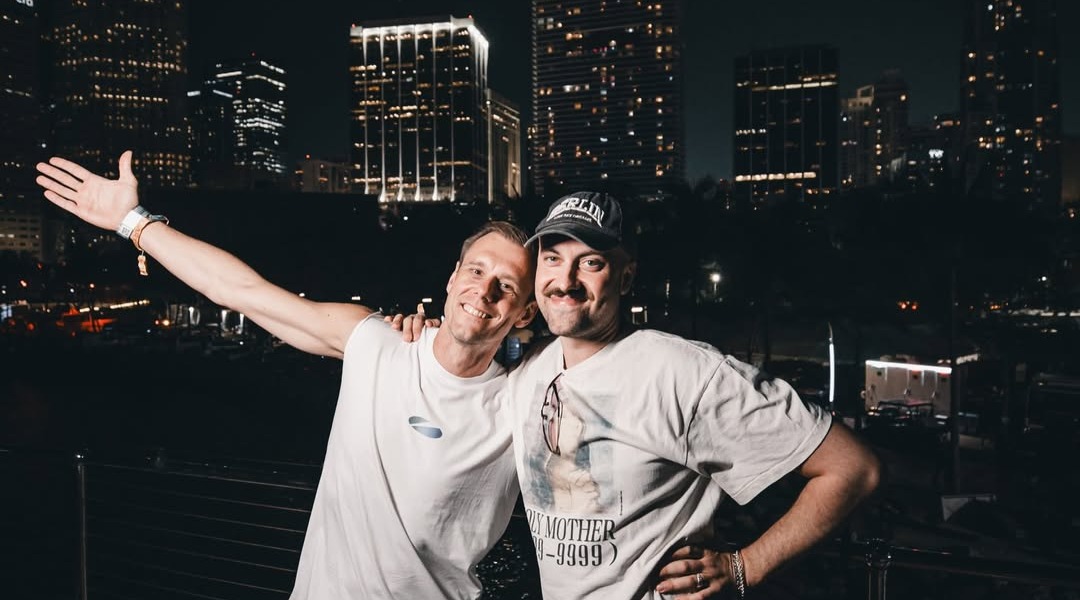
The historical roots of the genre remain vital, particularly in the Netherlands, where icons like Armin van Buuren and Above & Beyond have maintained a steady presence. Yet, the current wave is distinct because it bridges the gap between these established figures and a new vanguard. For instance, the collaboration between Marlon Hoffstadt and Armin van Buuren at Ultra Miami’s A State of Trance stage represents a symbolic union of the genre's legacy and its evolving future.

Innovators like Funk Tribu and the duo DJ HEARTSTRING are pushing boundaries by blending trance with Eurodance, hard house, and pop. DJ HEARTSTRING has even coined the term "Trance Dance Music" to describe their high-energy, melody-driven output. This fluidity is a hallmark of the current scene; by escaping the strict "trance" label, these producers are finding success on stages that were previously reserved for more mainstream or techno-focused acts.

The mainstream appeal of this movement was solidified when Marlon Hoffstadt brought his "DJ Daddy Trance" identity to the Sahara Stage at Coachella in 2026. Performing alongside a diverse array of pop and electronic acts, Hoffstadt proved that the high-tempo, euphoric nature of the sound has a place on the world's biggest stages. This shift suggests that for the current generation, genre boundaries are secondary to the raw experience of speed, emotion, and collective euphoria.

While nostalgia for the late 90s and early 2000s plays a role in the current cultural climate, it is the direct emotional impact of the music that sustains this growth. By reinterpreting the dramatic breakdowns and soaring synths of the past, these artists are building a new, inclusive community. As seen during ADE 2026, where massive crowds gathered for artists like KI/KI, the future of trance is not about looking back—it is about evolving into something entirely new.