
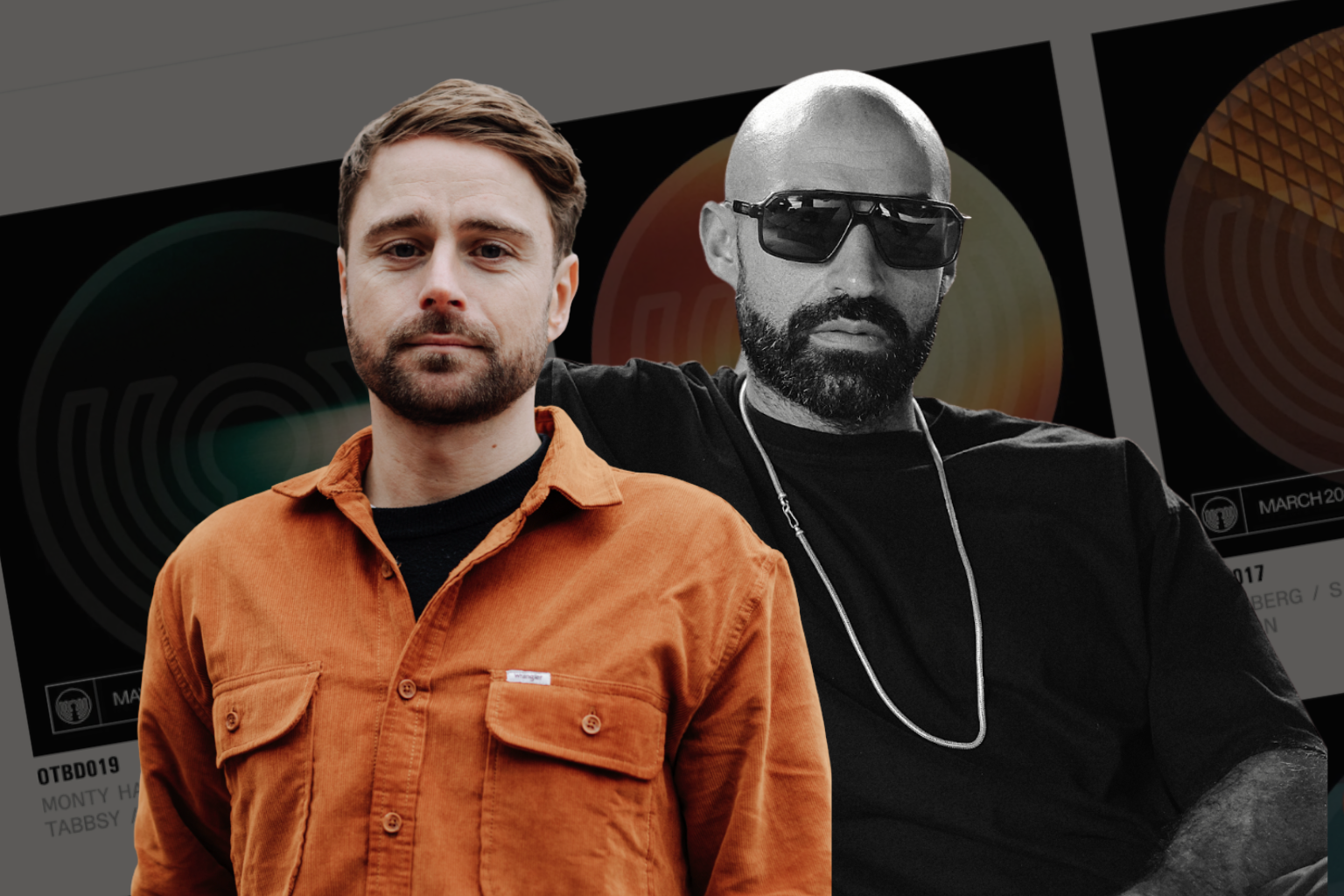
In an industry where financial transparency often vanishes behind complex contracts and vague royalty structures, many artists find themselves questioning the true value of their own creative output. Outboard Music is attempting to strip away that ambiguity by positioning itself as a hybrid between a record label, a curated store, and a subscription service designed to provide a more sustainable path for independent electronic producers.
The platform was born from the collaborative experiences of founders Adam Wise and Rory Cordery. During the pandemic, the duo spent time living in Indonesia, where they spent hours debating the state of the music industry. They were particularly struck by the disconnect between the effort producers put into their work and the meager returns they received after label cuts, distribution fees, and platform commissions were taken out. Their solution was to develop a model that favors direct support and equitable payment.
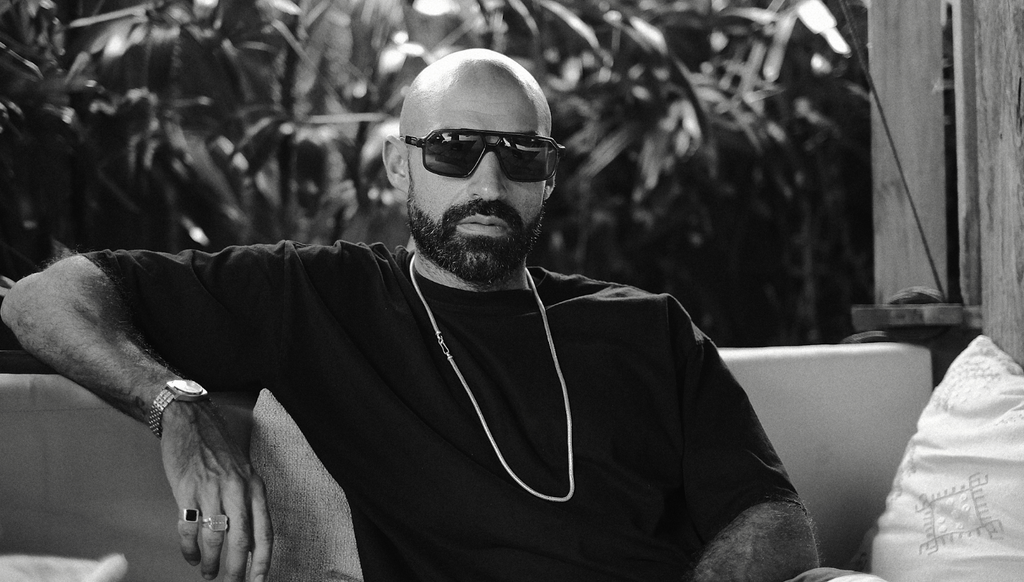 Adam Wise
"It's been our mission from the beginning to create something as accessible, fair, transparent, and supportive as possible," says Wise. The core of their strategy is "Equalising the Underground." Under this framework, every artist featured in a monthly release receives an identical share of the revenue, regardless of their industry status or follower count. The goal is to leverage the reach of more established artists to elevate newer talent, fostering a community rather than a competitive hierarchy.
For subscribers, the model is straightforward: for a monthly fee of £3.99, members receive exclusive access to five original tracks from five different artists. These tracks are not available elsewhere, ensuring the value remains within the ecosystem. The revenue generated from these subscriptions is split evenly among the five contributing artists and the platform itself. Once the initial release month concludes, the artists retain full ownership and receive 100% of all subsequent back-catalog sales.
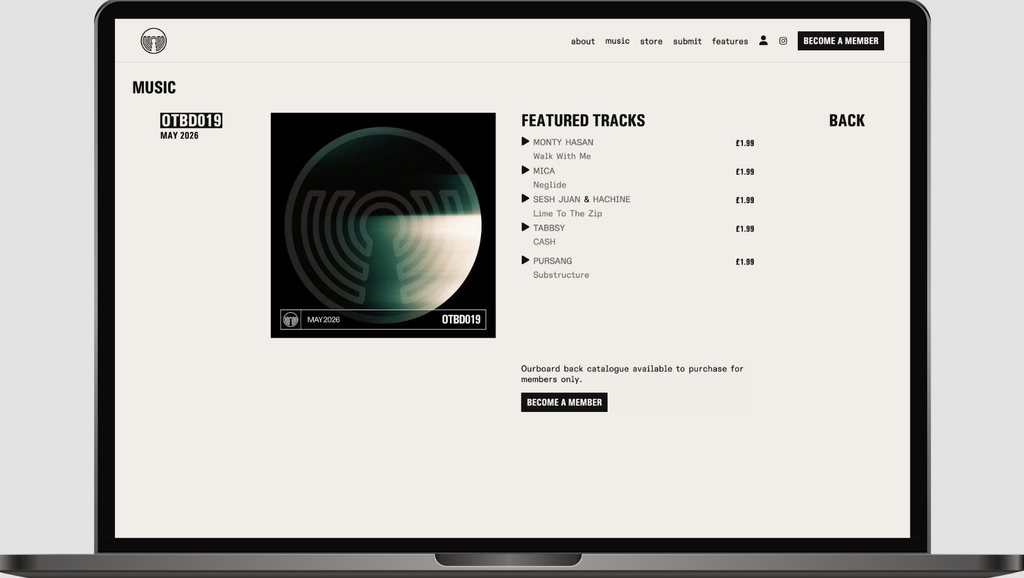
Cordery emphasizes that this structure is intended to be as cost-neutral as possible for the creator. "It's no secret that releasing music is a labour of love," Cordery explains. By minimizing the intermediaries, Outboard ensures that the people behind the music are not left with a raw deal after the release cycle ends. Furthermore, the platform offers a portal where artists can upload existing music, keeping 100% of the revenue from those sales—a significant departure from the commission rates seen on major digital storefronts.
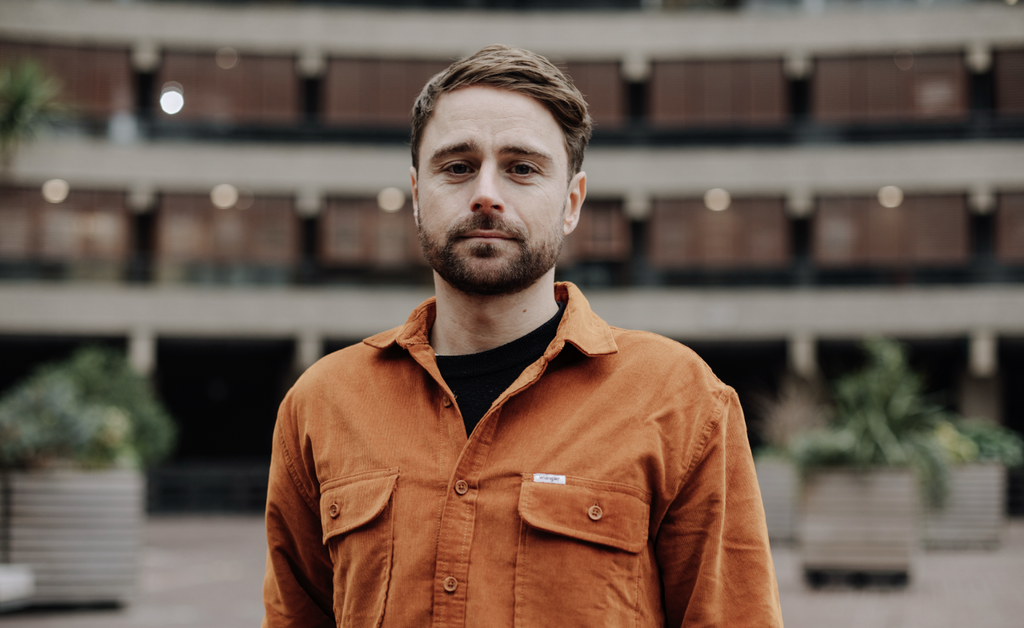 Rory Cordery
Looking toward the future, the founders envision Outboard as more than just a distribution point. As the platform hits subscriber milestones, they plan to reinvest profits into the next generation of producers. Their long-term ambition includes funding physical studio spaces, providing educational workshops, and offering masterclasses to help artists from all backgrounds navigate the industry. "Our bigger goal for Outboard would be to provide an array of support for emerging artists," says Cordery.
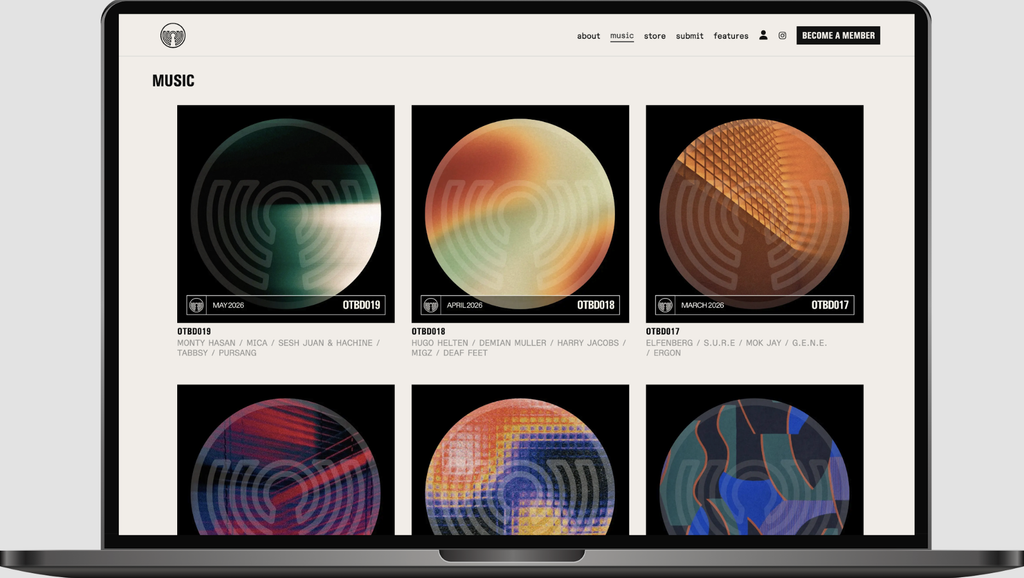
Ultimately, the success of Outboard will be measured by its ability to keep artists creating in an increasingly difficult economic climate. By prioritizing transparency and collective growth, Wise and Cordery are betting that the underground scene is ready for a system that treats music as a partnership rather than a commodity.