How Sohail Built Trust in Muscle Memory Behind the Decks
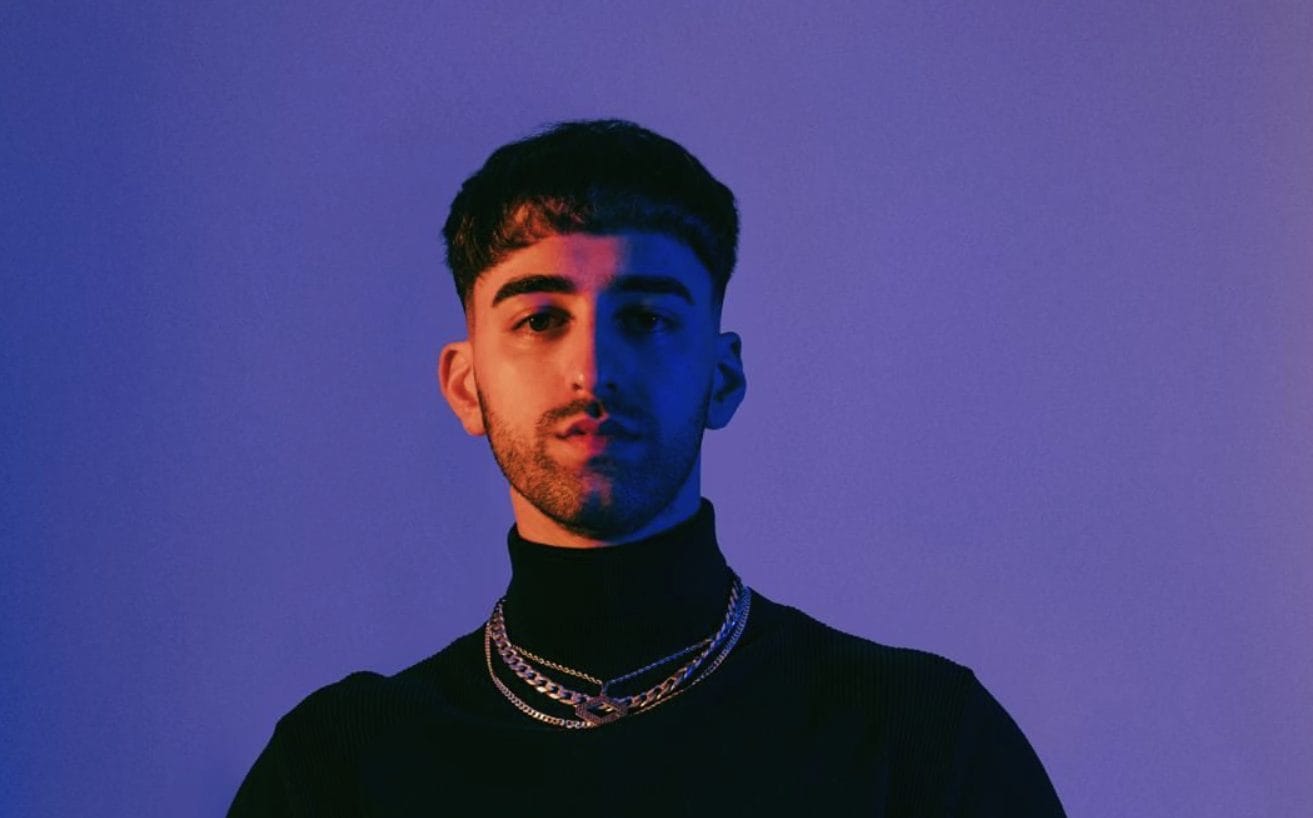
SEBS and Sohail close out the year on MoodCollective with Nah, a high-impact club record that signals a new chapter for both artists. Landing on December 12, 2025, the release marks their debut on Nicole Moudaber’s MOOD sublabel and arrives as the final MoodCollective cut of the year.
Built around a rolling groove and a direct rap vocal, Nah reflects a shared focus on dancefloor momentum and instinctive energy. For SEBS, the track represents a fast-moving creative breakthrough that gained traction almost immediately. For Sohail, it documents an evolution in sound shaped by confidence, repetition, and trust in feel rather than over-planning.
Ahead of the release, Sohail breaks down how muscle memory, crowd awareness, and real-time decision-making guide his approach behind the decks, especially when pressure hits and instinct has to take over.
Interview With Sohail
Do you remember the first time mixing started to feel automatic for you?
Around three months into learning how to DJ, mixing stopped feeling like something I had to think about. The first couple of months were a grind. I was constantly messing up transitions and getting frustrated when tracks didn’t blend the way I imagined.
With nonstop practice, it eventually clicked. By month three, mixing became muscle memory, and now it feels effortless whether I’m playing in clubs or recording mixes for labels.
How much of your best mixing do you think happens consciously versus unconsciously?
They play an equal role for me. I usually plan my sets in advance, but once I’m behind the decks, I rarely stick to them.
Most of the time, I end up playing based on the energy and vibe I’m getting from the crowd, which keeps each set feeling natural and in the moment.
When you’re under pressure with bad monitors, a rough booth, or a big crowd, what do you lean on first?
When those issues start to show, I rely on a crowd-pleaser to steady the moment. It gives me breathing room and time to reset and read the room.
From there, I look for the next track that really captures the energy of the crowd, which helps me regain control and move past the situation.
How did you build trust in your own instincts and muscle memory?
I’ve been playing percussive instruments since I was a kid, so rhythm and groove have always come naturally to me. Years of repetition built a foundation that gives me confidence every time I play.
That combination of experience and feel is what I trust when I’m performing, and it lets me operate comfortably at a professional level.
Do you ever practice to maintain that intuitive control, or does it stay sharp through playing out?
I don’t practice intuitive control in isolation. Opportunities to play don’t come around constantly, so I stay sharp by being fully locked in every time I’m behind the decks.
I focus on making the most of each set and aiming to give both the crowd and myself a night worth remembering.
Can you share a moment where instinct kicked in and saved a set?
A few weeks ago, I headlined one of the best venues in my city, and my opening track didn’t connect with the crowd at all. I adjusted quickly by playing a popular edit of Back It Up, which brought the energy back immediately.
I realized the DJs before me had left the room on a high-energy track, and my lower-energy opener killed the momentum. Once I pushed the energy back up with a strong vocal and groove, I had control of the room again.
How do you know when to override habits and take a risk instead?
I take a risk in almost every set, either with track selection or mixing. Testing unreleased music is always nerve-wracking, but you never truly know how a track works until it hits a club system.
I usually do this during a cooldown moment, since my tracks tend to sit at a higher tempo and naturally lift the room. Mixing-wise, I experiment a lot with FX, RMX, and different approaches around each drop. Those unplanned risks teach me what works and what doesn’t for future sets.