How To Build A Fan Base For Your Music in the Streaming Era: A Definitive Guide
Marketing music in 2026 requires a different mindset than it did even a few years ago. The number of songs released each day continues to rise, algorithmic discovery has become more selective, and audiences have grown more skeptical of content that feels artificial or mass-produced. At the same time, the tools available to independent artists are more powerful than ever and often available in one place, such as at Boost Collective, which sponsored this article. You can now reach global audiences without a label, build your own infrastructure, and measure every step of your growth if you understand how the system works.
The mistake many artists make is treating music marketing as a single tactic instead of a coordinated process. Posting on social media, running ads, pitching playlists, hiring PR, and releasing music are often handled as disconnected actions. In practice, they only work when they reinforce one another.
Music marketing in 2026 is less about finding a viral trick and WAYYY more about designing a pathway that moves a listener from discovery to engagement and then to loyalty, while keeping the artist and authenticity at the center.
At A Glance
Marketing Starts With Your Infrastructure
Before a song is ever promoted, it must have somewhere meaningful to go. Infrastructure is the part of music marketing most artists ignore because it does not feel creative, yet it is the part that determines whether attention turns into results. Infrastructure includes a clear destination link for your music, a functioning tracking system, and at least one channel you own directly, such as an email or SMS list.
When someone clicks on you as an artist in 2026, they should land on a page that loads quickly, works on mobile, and presents a simple choice. That choice might be to listen on Spotify, watch on YouTube, and/or join your mailing list. If your links are inconsistent across platforms, you create friction that reduces conversion, which can add up to a lot of missed opportunities to build a meaningful base of fans. Consistency matters because the listener is usually acting on impulse and the easier it is to take the next step, the more often they will take it.
Tracking is equally important. Without it, artists guess which actions lead to growth. With it, they can see whether content, ads, or PR placements actually produce listeners, followers, and saves. This allows marketing to become iterative rather than emotional. Instead of assuming something worked because it “felt” successful, you can measure whether it moved the metrics that matter.
Why Most Content Should Happen After Release
One of the most damaging habits in modern music marketing is using your strongest content before a song is available. Artists often spend weeks teasing unreleased music with short clips, only to lose momentum once the track actually drops. Especialy in 2026, this creates a disconnect between discovery and action. A viewer sees a video, enjoys the song, and then discovers there is no way to listen to it yet.
That moment of interest disappears before it can turn into a stream or save, and once again becomes a missed opportunity.
A healthier model is to treat the release itself as the beginning of marketing rather than the end of preparation. Pre-release content should prioritize context and timing over volume. Post-release content should carry the emotional, narrative and promotional weight. Once the song is out, every piece of content has a clear purpose. It gives the listener something to respond to immediately, whether that response is listening, saving, or sharing.
This approach also aligns better with algorithms. Platforms reward sustained engagement over time, not brief spikes of attention. When artists continue to post after release, they extend the track’s life and give multiple pieces of content a chance to surface in different recommendation feeds. This is far more effective than relying on one moment of launch-day attention.
Short-Form Content as an Ongoing Marketing Channel
Short-form video remains one of the most important marketing tools in 2026, but its role has shifted.
It is no longer simply a way to chase trends, but instead it functions as an ongoing channel through which listeners learn what you do and why they should care. The most effective short-form content connects the music to a human presence. Viewers respond not just to the song but to the person making it.
Process-based content performs well because it teaches and demystifies; it shows that crucial authenticity that fans are craving after a decade of almost overly polished, socially optimized content that has been the norm. Showing how a sound was created, how a vocal was recorded, or how a track evolved invites the audience into the work rather than just presenting the finished product. Performance-based content works because it demonstrates skill and context. A short DJ clip, rehearsal moment, or live vocal can frame the song as something that exists in the real world rather than as a static file.
Paid advertising is often misunderstood in music marketing.
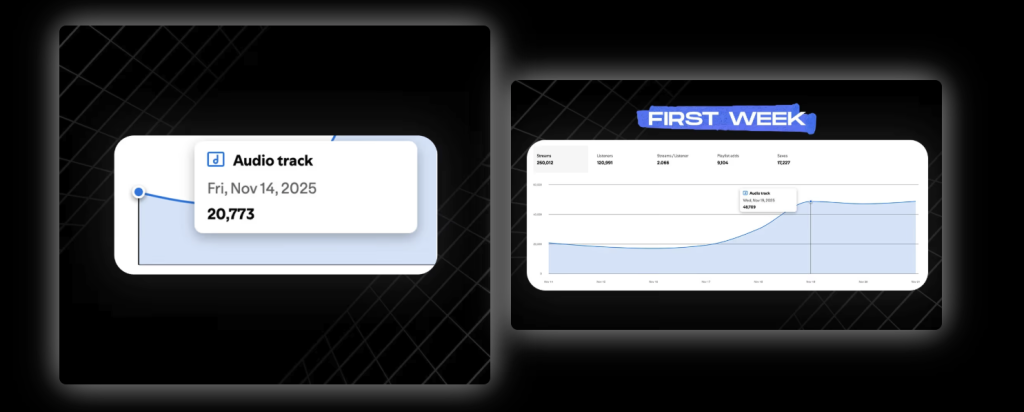
Many artists use ads to gain followers or likes, assuming that visibility alone will translate into career growth. In reality, visibility without a conversion path produces weak results. In 2026, ads work best when they are used to move listeners toward a measurable action, such as listening to a song, joining an email list, or buying a ticket.
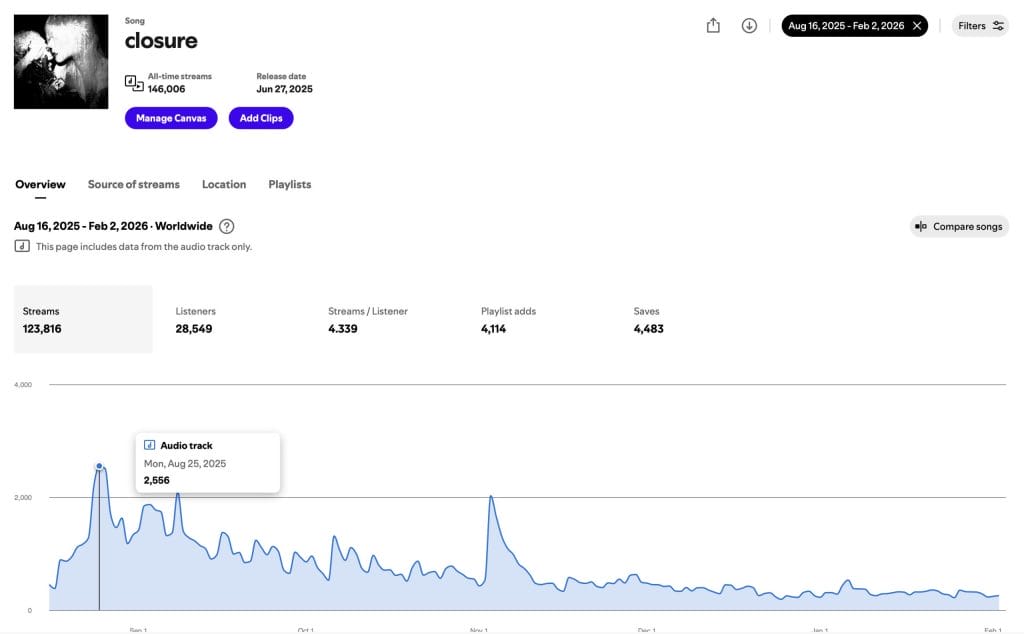
Advertising should support what organic content establishes. If your content creates interest, ads can scale that interest. If your content is unclear, ads amplify confusion. This is why ads perform better after release, when the destination is real and the messaging can be direct. Instead of asking people to “watch,” the ad can ask them to listen, save, or follow.
Companies like Boost Collective position their advertising services around direct-to-song campaigns rather than general exposure. This reflects a larger shift in music marketing toward accountability. Artists want to know not just how many people saw something, but how many people acted. Services built around conversion rather than impressions align more closely with how modern platforms measure value.
Playlist Strategy Without Artificial Inflation
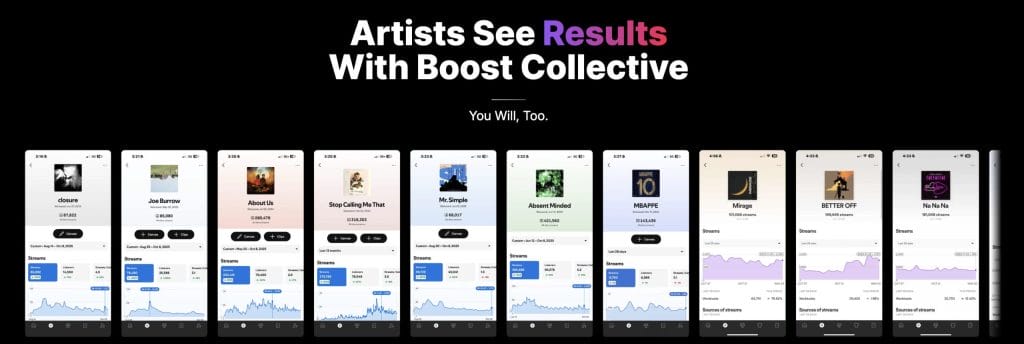
Playlists still matter in 2026, but their role is often misunderstood. Playlists are not a career strategy on their own. They are a distribution layer that works best when a song already has momentum. Organic listener behavior, such as saving and replaying a track, signals to platforms that a song deserves broader exposure. Playlists amplify those signals when they come from real listeners.
The safest playlist strategies focus on human curation rather than automated volume. Editorial submissions through official artist tools remain important, but peer playlists and curator outreach often provide more predictable results. When artists build relationships with other musicians or playlist owners in their genre, placements tend to produce higher-quality listeners who are more likely to engage beyond a single play.
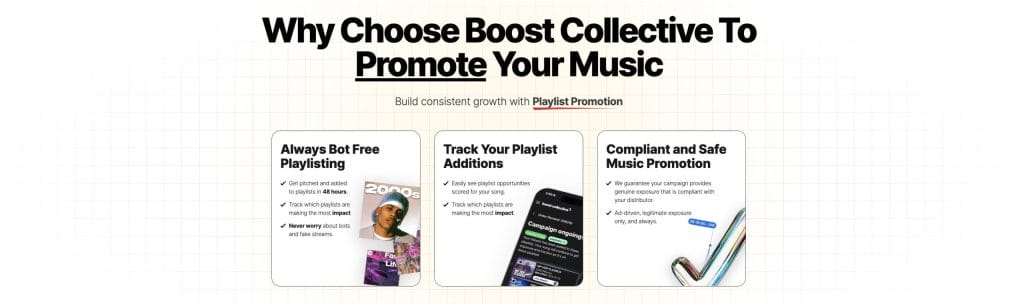
Boost Collective frames its playlist promotion around curator pitching rather than guaranteed stream numbers. This reflects industry reality. Artificial stream inflation carries long-term risk, while human discovery creates sustainable data. In 2026, services that emphasize compliance and quality are more aligned with how platforms detect and reward authentic listening behavior.
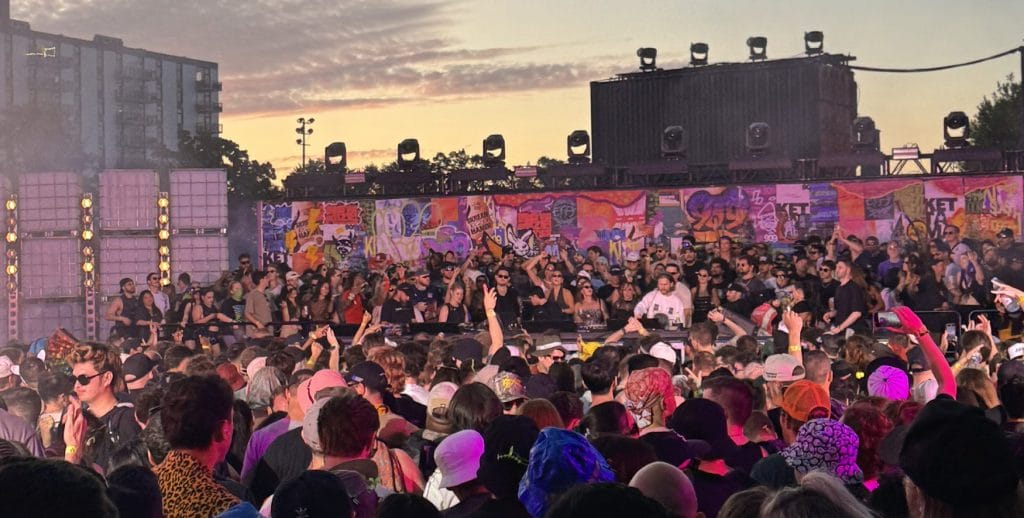
Music PR as Narrative Engineering
Music PR in 2026 is less about collecting logos and more about shaping perception; building a narrative that fans can connect with and attach emotion to. Coverage matters when it reinforces a story about who an artist is and why their work is relevant. A blog post or interview is not valuable simply because it exists. It becomes valuable when it gives future listeners a frame of reference for understanding the music.
Effective PR campaigns connect release cycles to broader themes. That theme might be a stylistic shift, a personal story, or a cultural moment. When listeners encounter your music through press, they should feel as though they are encountering part of a larger narrative rather than a random track. This makes later marketing more efficient because the audience already has context.
PR also generates assets. Quotes, screenshots, and interview clips can be repurposed into content and advertising creative, and included in EPKs, making you more appealing to bookers, other media outlets, and more. In this way, PR becomes part of the marketing system rather than a separate expense. The key is clarity of purpose. PR should serve discovery, branding, and long-term positioning, not just short-term attention.
Influencer Marketing is only as Amplification
Influencer marketing remains effective when used carefully. Its greatest strength is speed. A single creator can reach thousands or millions of viewers within hours. Its weakness is inconsistency and unreliability, plus the fact that, and this is just a gut check, influencers don’t have the same level of authenticity as they used to since being an “influencer” is such a big business now that people are wise to the hustle in 2026. The same campaign can produce radically different outcomes depending on how well the song fits the creator’s audience.
In 2026, influencer campaigns work best when they complement organic momentum rather than attempt to manufacture it. When a song already resonates with listeners, influencer content can accelerate that reaction. When a song lacks organic response, influencer exposure rarely fixes the problem.
The most effective influencer campaigns are those that allow creators to interpret the music in their own style. Overly scripted posts tend to feel transactional and produce lower engagement. When creators integrate the song into content they already make, it appears as part of their normal output rather than as an advertisement.
Direct Outreach and Relationship Building
Despite the growth of automation and algorithms, direct outreach remains one of the highest-leverage actions an artist can take. Sending music to DJs, curators, journalists, and other artists creates opportunities that no platform can guarantee. While response rates can be low, a single positive response can make a real difference.
Outreach is most effective when it is targeted and respectful of time. Messages that clearly state what the song is and why it might be relevant to the recipient tend to perform better than vague or generic pitches. Over time, this process builds a network rather than a one-off transaction.
In-person connections remain powerful. While it’s easier to connect online with almost anyone in the music industry, nothing beats a face-to-face interaction, and meeting someone at a show or event creates a social context that digital communication lacks. Following up after a real-world interaction increases the likelihood of engagement because the relationship is anchored in shared experience rather than cold contact.
Labels as Marketing Partners, Not Gatekeepers
Releasing music through labels in 2026 can still provide advantages, particularly when a label has an active audience and marketing structure. However, labels no longer function as the sole path to visibility. Their value depends on what they actively contribute to a release.
Artists who build their own momentum often benefit more from labels because they enter the relationship with leverage. Instead of relying on a label to create interest, they use the label to expand interest that already exists. This reduces dependence and enables more strategic partnerships.
Financial considerations also matter. Many labels retain large percentages of master royalties. In 2026, artists must weigh the marketing benefit against the long-term revenue tradeoff. The ideal scenario is a label that provides both reach and infrastructure without replacing the artist’s own marketing system.
A Cohesive Marketing Cycle for Each Release
A modern release cycle integrates content, ads, PR, playlists, and outreach into a single system. The song launches into an environment where discovery paths already exist. Short-form content introduces the track visually and emotionally. Ads scale the strongest messages. Playlists and PR reinforce legitimacy. Outreach creates targeted entry points into professional networks.
This cycle repeats with each release. Over time, the audience grows not because of one tactic but because the system compounds. Each campaign builds on the data and relationships of the last. This is how independent artists turn sporadic attention into stable growth.
Boost Collective markets its services around this integrated logic, offering playlist pitching, direct-to-song advertising, and YouTube promotion as connected solutions rather than isolated tactics. This reflects the reality of music marketing in 2026. No single tool replaces the need for structure, consistency, and narrative.
Conclusion: Marketing as a Creative Discipline
Marketing music in 2026 is no longer separate from making music. It is part of how music is experienced and understood. Artists who succeed are not necessarily those who shout the loudest, but those who build systems that guide listeners from curiosity to connection.
The most effective strategies share three traits. They are measurable, so progress can be tracked. They are repeatable, so growth compounds over time. And they are human, so the audience feels a relationship rather than a transaction.
When marketing becomes an extension of creative identity rather than a forced obligation, it stops feeling like noise and starts functioning as part of the work itself. That is the difference between chasing attention and building a career in 2026.
FAQs About How To Build A Fan Base For Your Music
How do you build a fan base in music?
Building a fan base in music starts with making your identity and message easy for people to understand and repeat to others. Listeners are far more likely to support an artist when they feel emotionally connected to the story, process, or perspective behind the songs. Consistent post-release content helps turn casual listeners into long-term followers by giving them reasons to stay engaged between releases. Direct interaction through comments, email lists, and community platforms strengthens that relationship over time. Growth comes from repeated exposure combined with trust, not from one viral moment.
What is the 35-year rule in music?
The 35-year rule in music refers to the idea that major stylistic movements tend to recycle roughly every three to four decades.
Sounds, aesthetics, and cultural references from 30–40 years ago often reappear in new forms as younger audiences discover them for the first time. This pattern explains why genres like disco, synth pop, and pop-punk regularly return with modern production and new themes.
For marketing, this matters because aligning your visuals and messaging with resurging cultural trends can help your music feel familiar while still sounding current. Artists who understand this cycle can position themselves inside movements that already have built-in audience interest.
What is the 3-minute rule in music?
The 3-minute rule comes from radio programming and streaming behavior, where shorter songs tend to perform better because they hold attention and encourage repeat listens.
Historically, radio favored tracks around three minutes to fit advertising and scheduling structures. On streaming platforms, shorter runtimes can increase completion rates and total plays, which supports algorithmic performance. This does not mean every song must follow that format, but it does influence how singles are structured for discovery.
Artists often use this rule strategically for lead releases while keeping longer tracks for albums or deeper fan engagement.
What are the 4 P’s of music marketing?
The 4 P’s of music marketing are product, price, place, and promotion. The product refers to the music itself along with the artist identity and visual presentation attached to it.
Price covers not only the cost of music but also ticket pricing, merchandise, and perceived value. Place involves where the music appears, such as streaming platforms, playlists, social platforms, and live environments. Promotion includes advertising, PR, content strategy, and partnerships that drive attention toward the release.
What is the best way to market your music?
The best way to market your music is to combine clear artist positioning with consistent post-release content that encourages sharing and discussion. Marketing works best when listeners understand what makes the artist distinct and feel motivated to talk about it with friends.
Organic strategies like short-form video, email lists, and direct outreach help build durable audiences over time. Paid promotion becomes more effective when it supports content that already connects with listeners rather than trying to replace it. Sustainable growth comes from systems that repeat across releases instead of relying on one-time tactics.