Inside the Mind of Dom Dolla: A Rare Look at His Creative Process
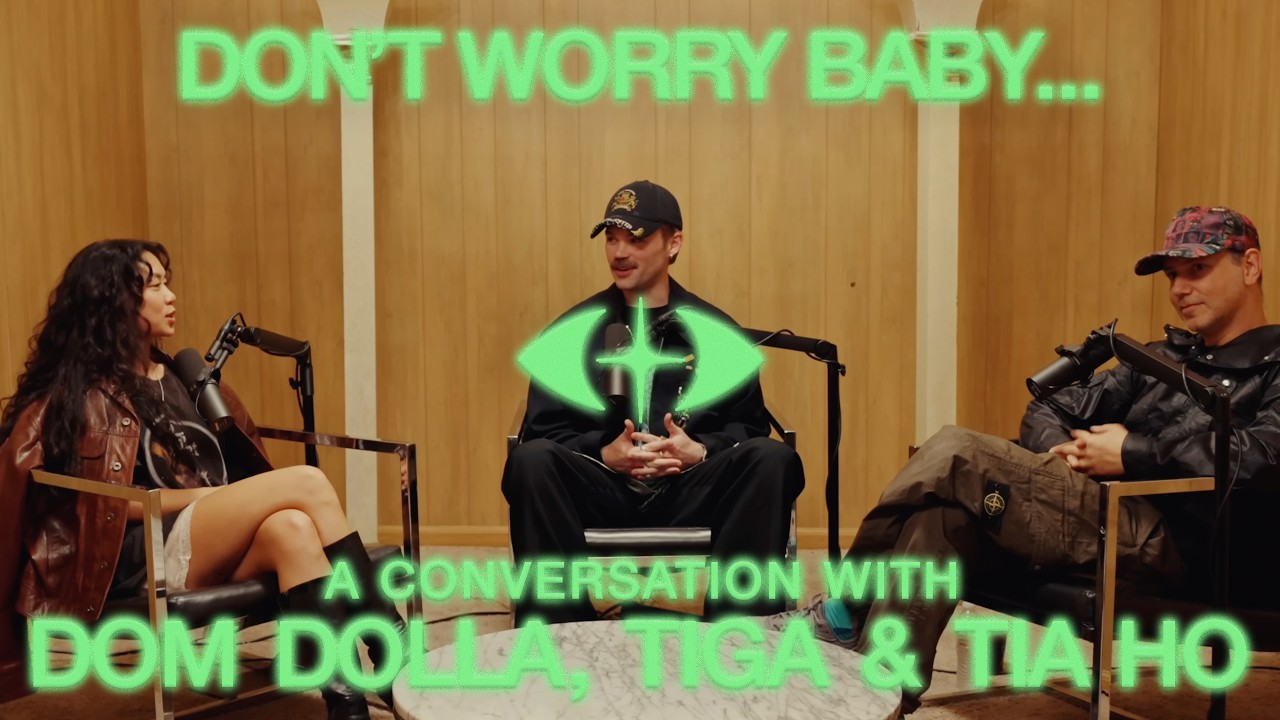
Dom Dolla is notoriously selective when it comes to interviews, often preferring to let his music speak for itself. However, the Australian electronic music powerhouse recently broke his silence in a rare, intimate conversation alongside industry veteran Tiga, hosted by New York’s Tia Ho. The discussion, filmed in a relaxed, wood-paneled setting, offers a profound look into the life and creative mechanics of one of dance music’s most influential figures.
The Intersection of OCD and Artistic Perfection
The conversation takes a vulnerable turn as Dom Dolla speaks candidly about his experience living with OCD. Far from the common misconceptions of the condition, he describes it as a deeply challenging force that dictates his workflow in the studio. For Dom, the creative process is defined by an inability to sit with doubt. Every vocal take, drum pattern, and bassline undergoes rigorous, obsessive testing to ensure the record reaches its full potential. As he notes, simply being ‘good enough’ is never the goal.
Tiga, who brings a contrasting perspective shaped by his own journey with ADHD, finds a perfect foil in Dom. While Tiga often views the creation of a hit record as a mysterious, almost voodoo-like process, he credits Dom with helping him unpack the technical mechanics behind the magic. This collaborative chemistry was the driving force behind their track ‘Don’t Worry Baby,’ which was engineered with the high-stakes pressure of a 40,000-person stadium performance in mind.
Uncovering the Hidden Vocals and Creative Secrets
One of the most surprising revelations from the interview is the presence of Dom Dolla’s own voice on ‘Don’t Worry Baby.’ Despite his admitted discomfort with his own vocal sound—often leading him to pitch-shift or process his voice beyond recognition—he layered his vocals beneath Tiga’s to fill a gap in the production. The track also features a charming contribution from Tiga’s daughter, whose ear for a catchy hook helped solidify the song’s final structure.
The discussion also touches on the ‘three P’s’ of Dom’s songwriting: pitch, pocket, and pronunciation. By focusing on melody and rhythm first, he reverse-engineers his lyrics to fit the narrative, a method that has earned him the rare distinction of being one of the few artists Tiga has allowed to contribute lyrics to his work.
From Pub Discos to Global Stages
The interview lightens as the trio dives into the origin stories of their careers. Dom shares insights into his early days in the Melbourne ‘pub disco’ scene, explaining the gritty, DIY nature of the parties that shaped his formative years. He even addresses the lore behind his signature mustache, which he grew at 17 in a failed attempt to gain entry into nightclubs.
Tiga matches these anecdotes with his own colorful history, from his early days in India to his humorous run-ins with airline status. The conversation concludes on a poignant note, with Tiga reflecting on the joy of making music with friends, framing the entire process as a rare and rewarding privilege.