
Learn The Essentials Of How Editorial and Algorithmic Playlists Impact Your Streaming Revenue
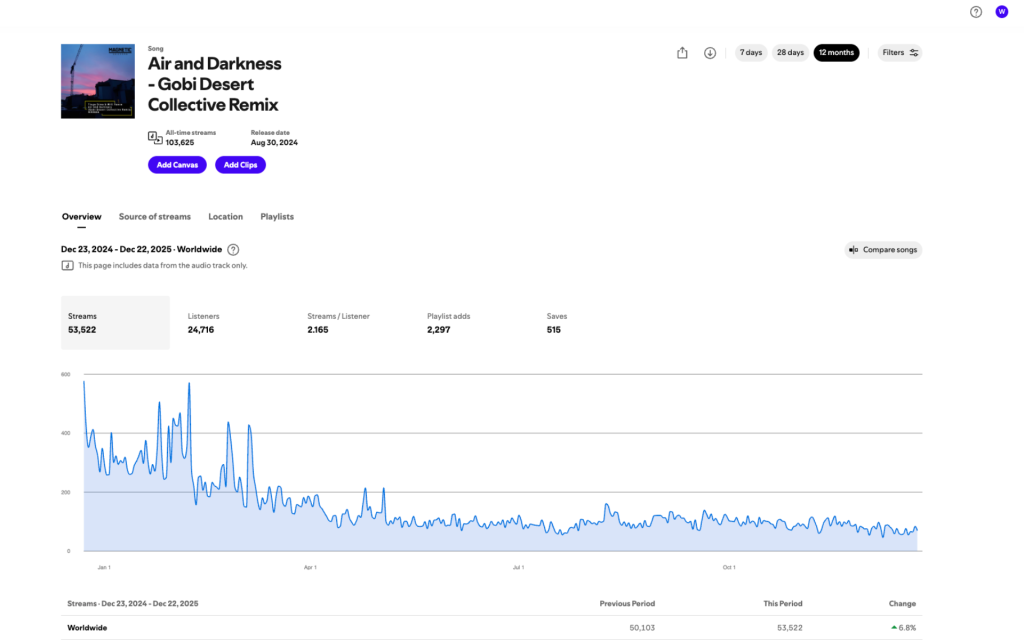
If you have ever released a track and then watched Spotify for Artists like it was a heartbeat monitor, you already understand how central playlists are to the entire streaming ecosystem. Streams rarely arrive in a straight line, and they almost never come from a single source. Understanding how editorial and algorithmic playlists impact your streaming revenue can make or break the early stages of an artist’s professional career.
Spotify responds to patterns, engagement, and consistency, and playlists sit right at the center of how those signals get interpreted. Editorial playlists, algorithmic playlists, and independent curator playlists all feed into the same system, even though they behave very differently on the surface.
Jump to these sections
This is where a lot of artists get confused early on, because playlisting gets framed as a finish line instead of infrastructure. Spotify does not suddenly decide to push a song because it looks nice on release day. It reacts to how real listeners behave when they encounter your music in the wild. That means the earliest placements matter, especially the smaller ones where engagement actually happens.
Platforms like One Submit, with which this article was made in partnership, come into play here much earlier than most people expect. Instead of treating playlist pitching as something you do after a release stalls, it works best when it is part of your launch plan from the start. These platforms give artists access to real, genre-specific independent curators who already manage playlists with active listeners.
Those early placements help create the listening behavior Spotify watches closely when deciding what to amplify later.
Once you understand how playlists function as signal generators rather than trophies, streaming revenue starts to make more sense. Money follows attention, and attention follows behavior. The rest of this article breaks down how each playlist layer contributes to that chain and how artists can work with it instead of guessing.
Understanding Spotify Playlists and How Money Actually Flows
Spotify playlists influence revenue indirectly, but they influence it consistently, which is why they matter over time. Editorial playlists are curated by Spotify’s in-house teams and tend to reward releases that already show clarity, momentum, and a defined audience. Algorithmic playlists like Release Radar, Discover Weekly, Radio, and Autoplay respond to listener behavior and update continuously as new data comes in.
Listener-generated playlists operate underneath both layers and quietly feed Spotify the raw data it trusts most.
Streaming payouts themselves are calculated based on an artist’s share of total streams within a market, not by playlist type. A stream from an editorial playlist pays the same as a stream from an algorithmic playlist in the same region. The difference lies in scale, retention, and repetition. Playlists determine how often listeners encounter your music and how likely they are to come back to it.
Find out how much Spotify pays per stream in this article!
What many artists miss is that Spotify values depth over novelty.
A listener who saves your track, listens past the first thirty seconds, and hears it again later contributes far more to long-term revenue than a large number of passive plays. Geography also plays a role, since streams from paid subscription regions tend to generate higher revenue per play. Playlists that attract listeners from those regions quietly strengthen earning potential without any obvious spike.
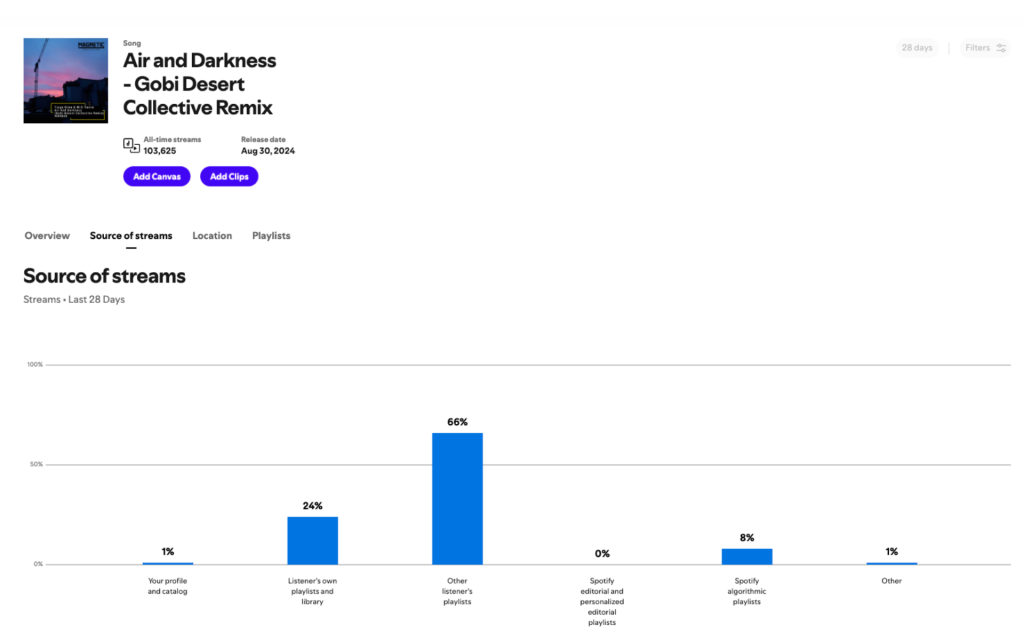
Independent playlists are often where this process begins.
Smaller playlists tend to attract listeners who actively search for new music within specific moods or genres. Engagement on these playlists tends to be stronger, which makes the data cleaner. Tools like One Submit help artists reach these curators efficiently, without relying on cold outreach or guesswork.
Once a track appears across multiple relevant playlists and listeners start engaging consistently, Spotify begins testing it in personalized environments. Revenue grows as exposure becomes repeatable rather than momentary. The system rewards patterns, not events.
How Editorial Playlists Influence Long-Term Earning Potential
Editorial playlists carry visibility and credibility, but their real value sits in what happens after placement.
When a track lands on an editorial playlist, it often reaches listeners who actively explore new music rather than passively consuming it. Those listeners are more likely to save tracks, follow artists, and revisit songs later. That behavior sends strong signals into Spotify’s broader recommendation system.
Editors do not operate in isolation from data. They look at release cadence, audience development, and early engagement when deciding what to support. Submitting through Spotify for Artists well ahead of release gives editors context and time. Clear genre tagging and descriptive pitching help your music land in the right lane instead of being filtered out.
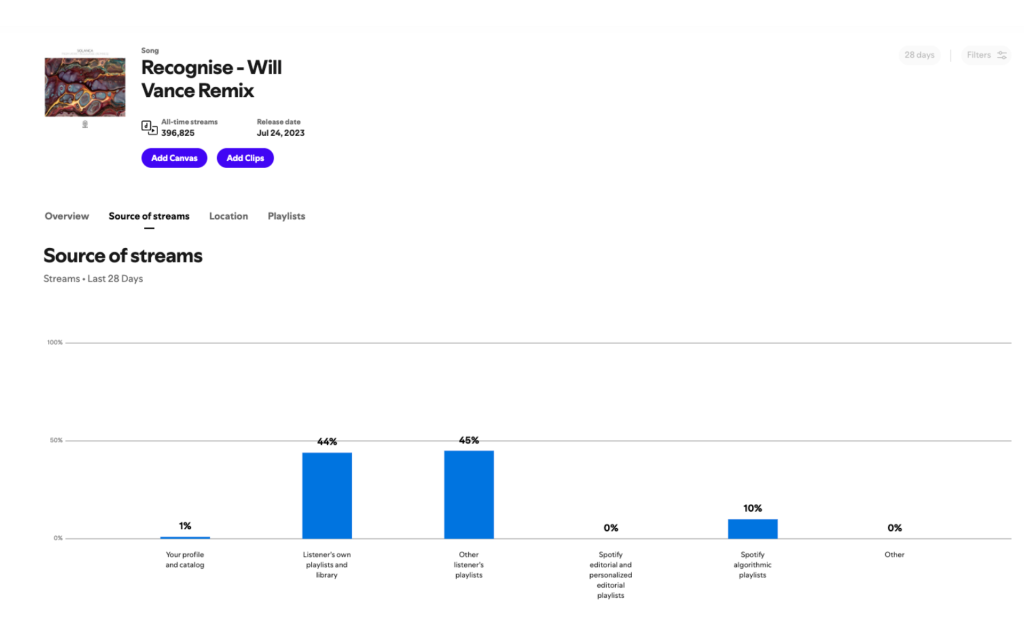
Editorial playlists often generate a short burst of streams during the first week or two.
That early activity matters because Spotify closely watches how listeners respond during that window. Strong save rates, full listens, and low skip rates reinforce confidence in the release. That confidence influences how often the track appears in algorithmic surfaces later.
From a revenue perspective, editorial playlists act as accelerators rather than endpoints. The payout from the playlist itself rarely changes an artist’s financial picture overnight. The downstream effect on algorithmic playlists, Radio, and Autoplay often does. Those areas generate ongoing streams long after the editorial feature ends.
Artists who approach editorial playlists as part of a broader signal strategy tend to see better results. Independent playlist traction through platforms like One Submit helps establish early engagement. Editorial placements amplify that momentum rather than trying to create it from nothing. Revenue grows as listening behavior spreads naturally across Spotify’s ecosystem.
How Algorithmic Playlists Multiply Streams Over Time

Algorithmic playlists quietly drive the most consistent listening on Spotify, even though they rarely get talked about in flashy terms.
- Release Radar introduces new music to existing fans and similar listener profiles, which allows Spotify to test engagement safely.
- Discover Weekly expands reach once Spotify sees sustained interest across multiple listener clusters.
- Radio and Autoplay extend sessions by placing your track alongside music listeners already enjoy.
Spotify’s algorithm tracks specific behaviors closely. Saves indicate long-term interest. Playlist adds suggest social relevance. Full listens past the thirty second mark show satisfaction. Repeat listens demonstrate staying power. Skips weaken momentum, especially early ones.
Algorithmic playlists respond best to focused discovery. Sending the wrong audience to your track often increases skip rates and damages performance. This is why targeted playlist pitching matters more than sheer volume. Independent playlists that attract listeners who actually enjoy the genre tend to produce better algorithmic outcomes.
Once a track enters algorithmic rotation, revenue becomes steadier. Discover Weekly alone can generate thousands of streams per week for months if engagement holds. Those streams accumulate quietly and provide predictable income. This predictability helps artists plan releases, marketing spend, and touring more confidently.
The algorithm rewards consistency. Artists who repeatedly generate clean engagement across releases tend to see compounding results. Algorithmic playlists become less mysterious and more responsive over time. Revenue follows that stability.
Why Independent Playlists Create the Signals Spotify Trusts
Independent playlists are the foundation of Spotify’s discovery system, even though they rarely get credit. Smaller playlists often attract listeners who actively search for specific sounds, moods, or subgenres. Those listeners engage more deeply, which creates high-quality data. Spotify values that data because it reflects real taste alignment.
When a track appears on several independent playlists with overlapping audiences, Spotify sees coherence. That coherence signals relevance and reduces risk. The algorithm becomes more willing to test the track in broader environments.
This is where One Submit fits naturally into a sustainable strategy.
The platform connects artists with vetted curators who manage active playlists across hundreds of genres. Submissions lead to real listening and written feedback, which filters out low-quality placements automatically. That keeps engagement authentic and avoids the problems associated with artificial playlisting.
The goal at this stage is not massive reach. The goal is trust. Each engaged listener strengthens the algorithm’s confidence in your release. Over time, those signals unlock algorithmic playlists that drive scale.
Independent playlists also provide insight. Tracking which playlists generate saves and repeat listens helps refine future campaigns. Each release becomes a learning opportunity rather than a gamble. Revenue grows as discovery becomes more intentional.
Building a Repeatable Playlist Strategy That Supports Income
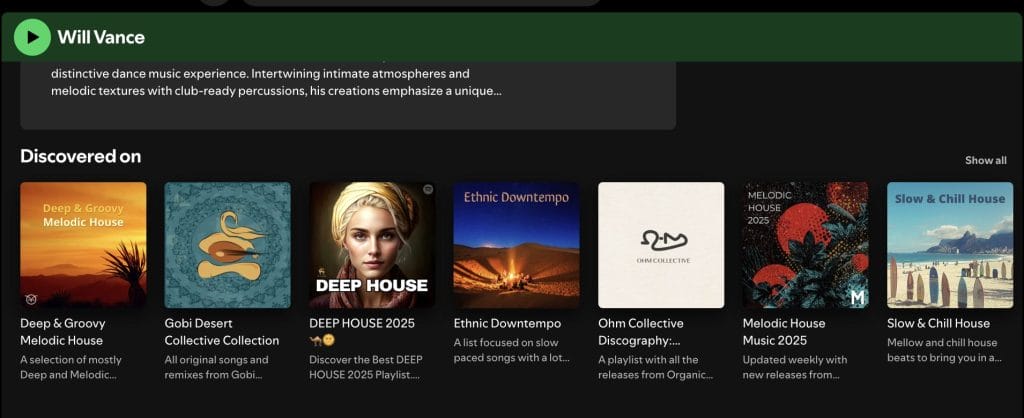
A reliable playlist strategy begins before release and continues long after launch week. Uploading music early allows time for editorial pitching and independent outreach. Clear branding and consistent genre framing reduce confusion for curators and algorithms alike. Concentrated promotion during the first few weeks helps focus engagement.
Using One Submit as part of this process simplifies curator outreach and keeps campaigns organized. Targeting playlists that match your sound improves retention and save rates. Monitoring which placements perform well helps guide future decisions. Each release builds on the last.
Paid promotion works best when it supports organic discovery rather than trying to replace it. Ads that send listeners to Spotify playlists where your track already lives often perform better than direct song links. Longer listening sessions strengthen algorithmic momentum.
Over time, artists who follow this approach build catalogs that perform consistently. Older releases continue earning alongside new ones. Streaming income becomes steadier and more predictable. Playlists stop feeling like a black box and start functioning like a system.
Streaming revenue rarely comes from one breakout moment. It grows from aligned signals, patient strategy, and repeatable behavior. Editorial playlists, algorithmic playlists, and independent curators all play their part. When you understand how they connect, growth becomes something you guide rather than chase.