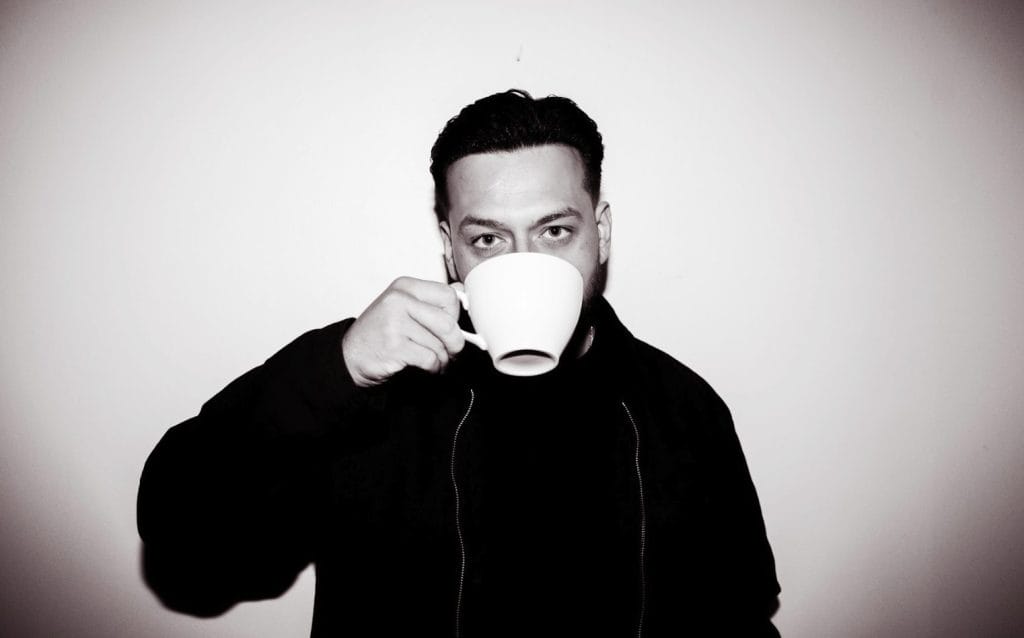
Ozzie Guven Breaks Down Hype, Timeless Records, and Trusting Instinct Behind the Decks
There’s a difference between playing what is current and playing what lasts.
In this conversation, Ozzie Guven breaks down how he filters hype from emotional connection, why honesty in a groove matters more than urgency, and how social media has quietly reshaped the way DJs measure relevance. At a time when charts, reposts and visibility move in real time, he speaks openly about trusting instinct over metrics and placing belief in records that hold weight long after their release cycle fades.
Ozzie’s rise through the underground has been steady and earned.
With releases on Seven Dials, Microhertz and Heavy House Society, plus support from Marco Carola, The Martinez Brothers and Michael Bibi, he has built a name rooted in club functionality rather than algorithm momentum. Following major appearances at Fabric, Warehouse Project, Off Sonar and After Caposile, he now heads into 2026 with new releases and tour dates worldwide.
In this interview, he reflects on timeless tracks landing harder than fresh drops, the pressure DJs feel to stay visibly current, and why resisting trends is less about rebellion and more about clarity. It’s a focused look at taste, longevity and what actually makes a record stick in a room.
Interview With Ozzie Guven
When you’re digging, what makes a track stick with you emotionally beyond whether it’s hot right now?
It usually comes down to honesty in the record.
You can feel when something has been made with intent rather than urgency. A groove that breathes properly, where nothing feels rushed or overfilled. A bassline that knows exactly what it’s doing and doesn’t try to shout. Vocals matter too, especially when they sound lived in rather than overperformed or polished to death. I also think longevity plays a big role in how I emotionally judge a track.
If I can imagine myself playing it years down the line and it still makes sense in a room, that’s a big sign. Trends come and go, but emotional logic doesn’t. Those records age more slowly because they’re built on feeling rather than momentary relevance.
Have you ever played something totally out of step with current trends just because it felt right?
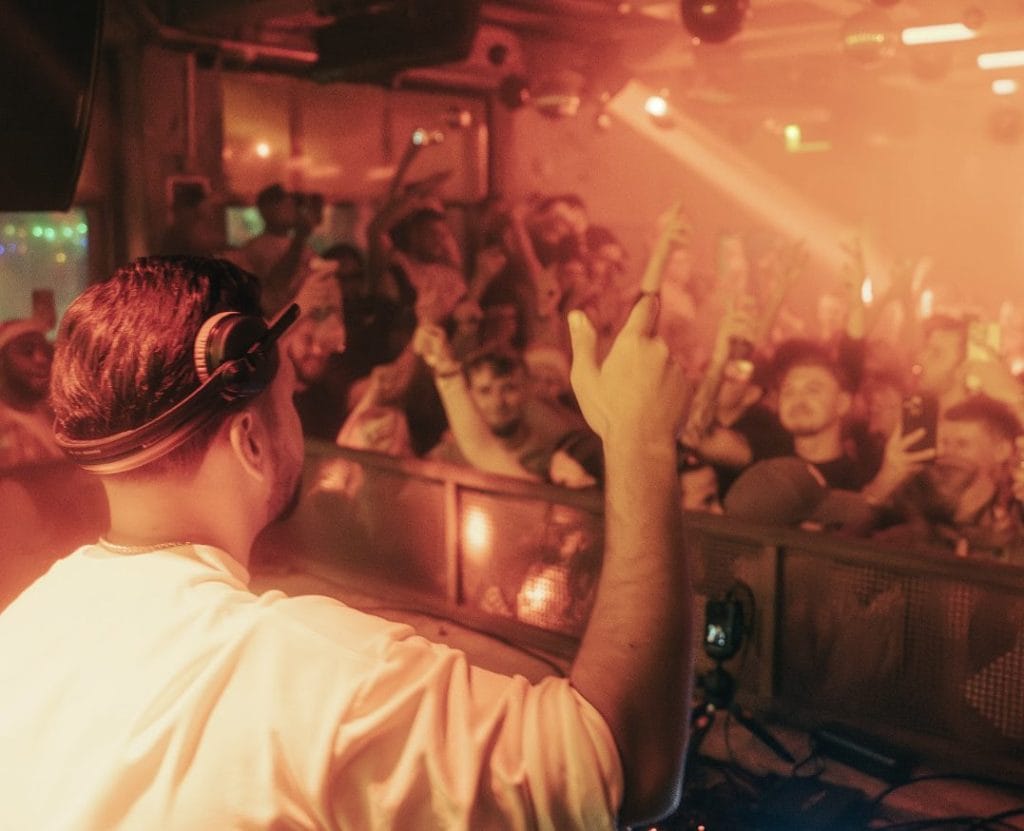
All the time, and some of the best moments I’ve had behind the decks have come from exactly that decision. Sometimes it’s dropping something faster than expected, sometimes more stripped back, sometimes something that barely even feels like it should work on paper.
But if the room is ready, it’s ready. Trends don’t really exist in that moment.
You can feel when people are open to being taken somewhere slightly different, and that’s when those records shine. I think DJs sometimes underestimate how much trust the crowd is willing to give them. If you believe in the record and place it properly, it can land harder than the most obvious current choice. Those risks often create the most memorable reactions.
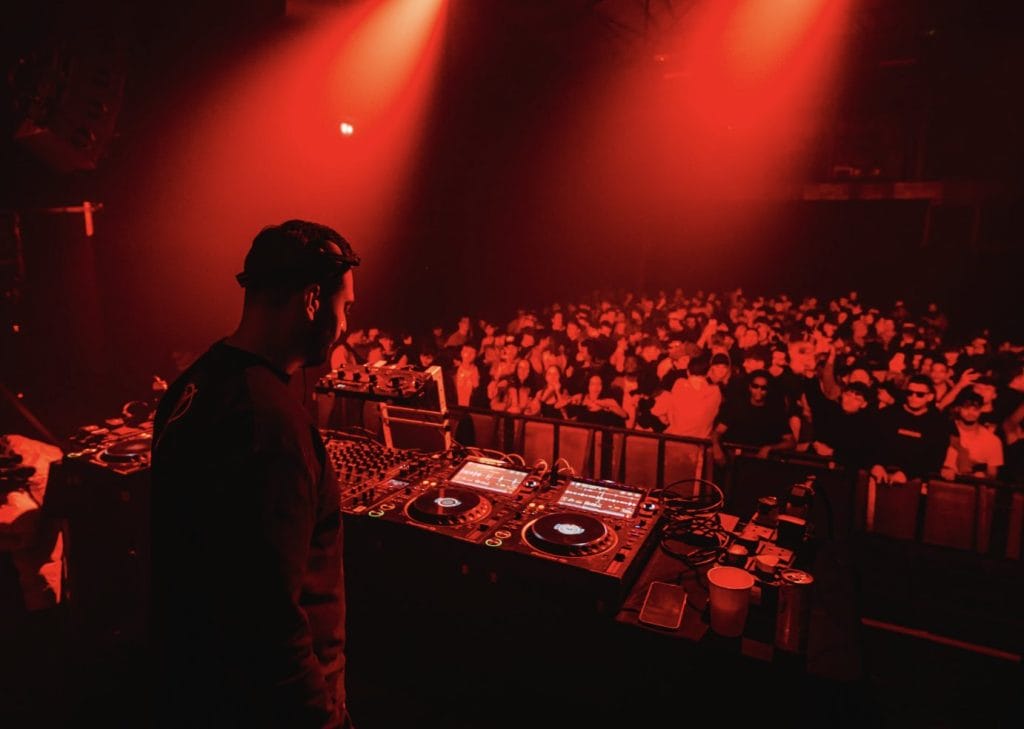
Do you think DJs feel more pressure now to stay current than they did ten years ago?
Definitely. Social media and streaming platforms have turned relevance into something that’s constantly visible.
Ten years ago, you could quietly build a sound, develop your taste, and let things evolve over time. Now there’s a sense that everything is being measured in real time. Plays, reposts, comments, chart positions. It can make it feel like you’re falling behind if you’re not constantly engaging with what’s new. That pressure can subtly influence selection and taste, even when you try to ignore it.
Instead of asking whether a track feels right, it’s easy to start asking whether it looks current enough. That shift changes how people dig and how confident they feel backing their own instincts.
How do you personally filter out hype from real emotional connection when you’re listening to new music?
I remove as much context as possible. No charts. No comments.
No DJ names attached. Just the track on its own. Most of the time, that happens late at night or on headphones, when I’m not distracted, and I’m not thinking about how something might land socially. If a track still connects with me on a second or third listen, that’s when I trust it.
First listens can be misleading, especially with hyped records. The real test is whether it keeps pulling you back without outside validation. If it holds its emotional weight when nobody’s watching, that’s usually the difference between something that lasts and something that just passes through your library for a few weeks.

What’s a track you love that most people might not get and why do you keep it close anyway?
Those deep, minimal garage and late 90s house records that barely drop at all. To some people, they sound uneventful, almost like nothing is happening.
But the swing, the space, the restraint in those tracks is everything to me. They’re built on patience and subtle movement rather than payoff moments. When you play them in the right setting, they create a feeling rather than a reaction. I keep those records close because they remind me why I fell in love with dance music in the first place. They’re not trying to impress.
They’re just existing confidently in their own pocket, and that kind of honesty never stops resonating.
Has there ever been a moment where a timeless track landed harder than the newest release?
Many times. There’s something powerful about watching a room lock into a track that carries shared memory.
You can feel the collective recognition happen without it becoming nostalgic or cheesy. Those moments often hit deeper than whatever dropped last Friday because they connect people emotionally rather than impressing them technically. A timeless record doesn’t need explanation. It just works. When it lands, the energy feels fuller and more unified. People aren’t reacting to novelty; they’re reacting to meaning.
As a DJ, those moments feel more rewarding, too. They remind you that the strongest connection in a club isn’t always about being first, but about choosing the right moment to let something familiar speak again.
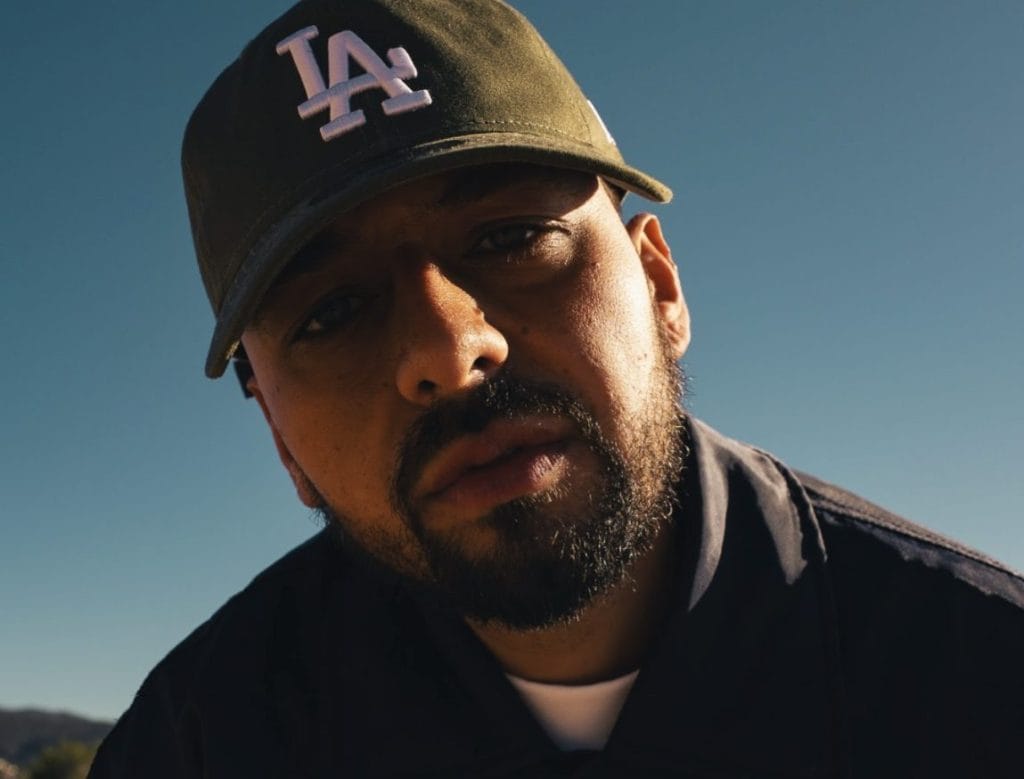
Do you ever feel like resisting trends is its own form of creative identity?
Yeah, but not in a contrarian sense.
It’s not about deliberately avoiding what’s popular just to make a point. It’s more about trusting your taste and giving yourself permission to move at your own pace. When you stop chasing what’s next and focus on what genuinely moves you, an identity starts to form naturally. That resistance isn’t loud or rebellious; it’s quiet and confident. Over time, people start to recognise that consistency.
They know what you stand for without you having to spell it out. In that way, resisting trends becomes less about opposition and more about clarity. You’re not pushing against anything. You’re just standing still long enough to hear yourself properly.