The Best Gear For Music Producers That Released In 2025: Magnetic Magazine’s Editor’s Choice Award
Every year, we spend an unreasonable amount of time putting new gear into real situations and seeing what actually holds up once the excitement fades and the work starts. Some products feel impressive for a few days, some look good on a spec sheet, and some quietly become part of the routine without ever asking for attention. By the end of 2025, the difference between those groups was obvious.
This list brings together the pieces of gear that earned their place through daily use, long sessions, and absolute pressure, not quick demos or controlled tests. These are the tools that stayed plugged in, stayed on the desk, or remained in the bag because they solved problems and made work easier without creating new ones.
Each entry below pulls the essential takeaways from a full review and reframes them in context, explaining why these products stood out over the course of the year and why they remain worth your attention going into 2026.
Table of Contents
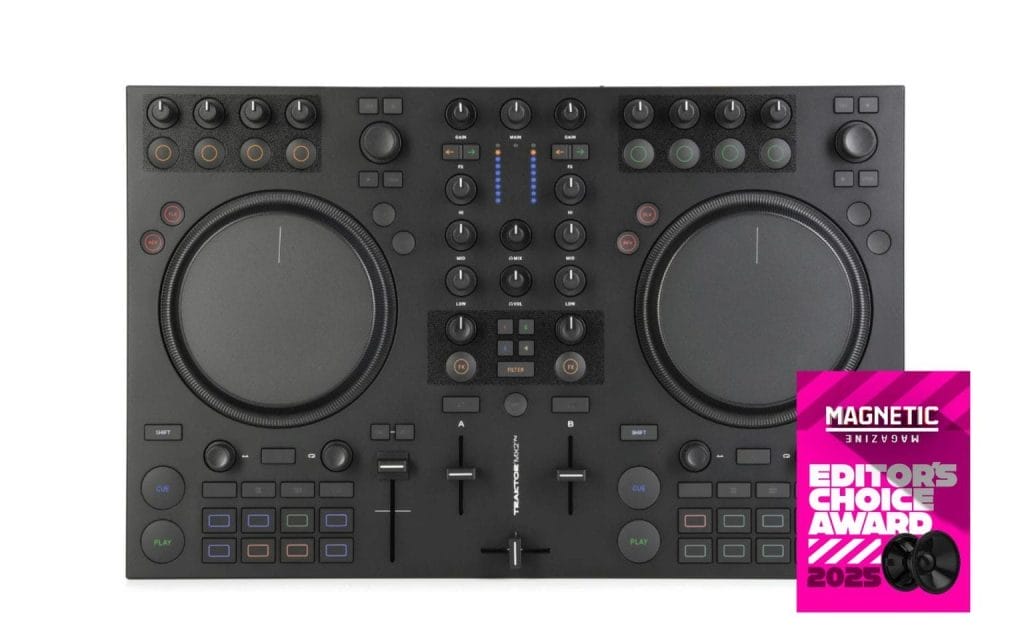
The Traktor MX2 earned its place among the best gear of 2025 because it approached entry-level DJ hardware with long-term intent, and that became clearer the longer I spent mixing on it.
Native Instruments built this controller around real performance workflows, with stems, Pattern Player, and hands-on sequencing treated as core tools rather than secondary features. In practice, that meant I was reshaping tracks during transitions, layering ideas live, and staying engaged with the mix instead of managing software menus. The hardware integration with Traktor Pro felt complete, keeping my laptop in a supporting role and making longer sessions feel focused and continuous.
External power paid off through stable audio headroom and clear visual feedback, especially when stacking stems or working in low-light environments.
The mixer section reinforced that confidence with predictable gain staging, flexible effects routing, and Mixer FX that encouraged fast, physical decisions mid-set. The MX2 revealed itself as a controller designed to grow alongside the DJ using it, which is precisely why it took home one of our final Editor’s Choice awards of the year.

Taps and Portals earned its place among the best gear of 2025 because it reframed how delay functions inside real writing and arranging sessions, and that shift became obvious almost immediately. Instead of riding feedback and hoping repeats behaved, I found myself shaping timing, spacing, and placement in a way that felt deliberate and repeatable. The multi-tap engine in Taps encouraged rhythmic thinking, while pitch control and per-tap processing kept delays harmonically anchored even as things grew dense.
Portals extended that control further inside BEAM by turning feedback into a visible routing decision, which made experimentation feel intentional rather than risky.
Once modulation, filtering, and gating entered the loop, movement became predictable enough to design around instead of manage defensively. Presets served as learning tools rather than endpoints, making it easy to understand why certain structures worked.
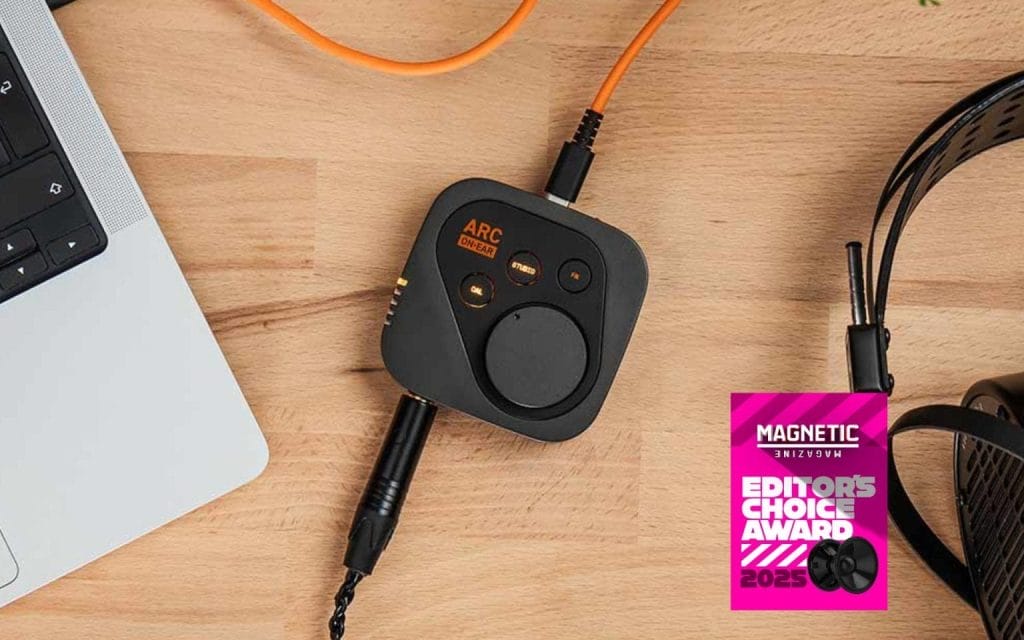
ARC On-Ear landed on our Best Gear of 2025 list because it solved a real headphone monitoring problem without adding friction, and that mattered more the longer I used it.
By moving headphone calibration and spatial processing out of the DAW and onto dedicated hardware, it kept my monitoring consistent across sessions, devices, and locations without rebuilding chains or loading plugins.
That shift changed how confidently I made low-end and center-image decisions, especially during late-night or travel sessions when speakers were not available. Hardware buttons for mono, dim, and preset switching made translation checks fast and habitual rather than something I postponed. Crossfeed and listening simulations remained subtle, which helped with panning and depth judgment without diverting attention from the mix itself.
The DAC and headphone amp held up as clean, reliable tools even outside the calibration features, which extended its usefulness beyond a single role.

LØW earned its spot among the best gear of 2025 because it tackled low-end movement as a design problem rather than a mixing fix, and that distinction showed up immediately in use. Instead of relying on static envelopes or corrective processing, it encouraged shaping bass behavior over time through hand-drawn modulation that stayed fast and intuitive.
The DNA engines and seed system made it easy to generate strong starting points, while the envelope drawing and looping controls let bass lines evolve without constant automation. What stood out was how quickly usable results appeared, since even small changes to envelope shape or timing produced audible movement without destabilizing the mix. It worked as comfortably for clean subs and techno-style kicks as it did for more aggressive bass textures, which made it adaptable across genres.
The interface stayed approachable despite its depth, and presets acted as launch points rather than final answers.

The HEDD TYPE 07 A-CORE earned its place among the best gear of 2025 because it delivered clarity and trust that held up across months of daily studio work.
What stood out quickly was how much detail these monitors revealed without pushing me to work louder or second-guessing balances, which made long sessions feel focused rather than fatiguing. The fully analog signal path kept latency low and transients precise, which showed up immediately when tracking vocals, editing drums, and dialing spatial details. Low-end information stayed controlled and readable even in a small room, making bass decisions easier without relying on constant cross-checking.
The AMT tweeter handled high-frequency detail cleanly, which helped with vocal timing, reverb placement, and subtle automation moves. Translation across cars, headphones, and small speakers closely matched what I heard in the studio, which reinforced my confidence. After producing and finishing multiple projects on them, the TYPE 07 A-CORE proved itself as a reliable, work-focused monitor that justified its Editor’s Choice award through consistency rather than spectacle.
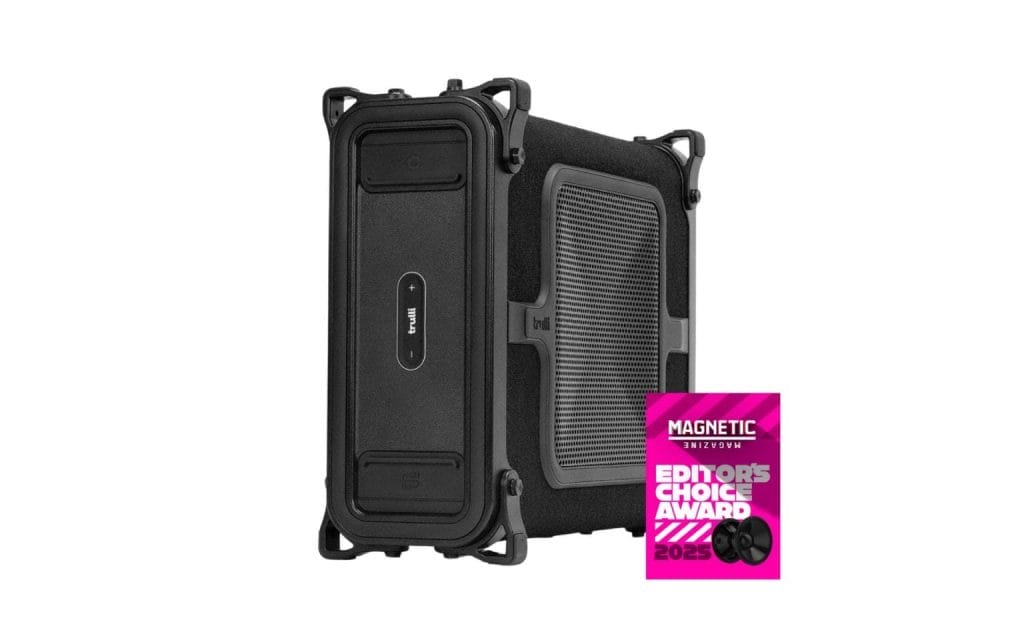
The Trulli Bass50 earned its place among the best gear of 2025 because it delivered professional low-end performance in a format that actually supported mobile setups without compromise. What stood out immediately was how self-contained the system felt, with amplification, DSP, wireless options, and battery power working together without extra boxes or setup friction.
The ThinDriver design moved serious air for its size, keeping kick and sub information tight and controlled across DJ rigs, studio monitoring, and outdoor events. In real use, the Bass50 stayed responsive and stable, with no lag or softness that would throw off timing during mixes. App-based control made setup faster and more precise, especially when tuning crossover and balance in unfamiliar spaces. Battery performance held up across long sessions without noticeable drops in output, which added confidence in live situations.
Over time, the Bass50 proved itself as a rare piece of portable gear that felt purpose-built for working DJs and producers, which is why it took home an Editor’s Choice award this year.

The TMA-2 Studio Wireless Gen 2 earned its place among the best gear of 2025 because it finally made wireless monitoring viable across production, recording, and DJ use without forcing compromises.
The updated W+ Link 2.0 system brought latency down to a level that felt trustworthy in real sessions, which changed how often I reached for them instead of wired headphones. Moving the electronics into the earcups immediately improved balance and comfort, and long sessions felt easier without top-heavy pressure or heat buildup. Loudness and headroom were no longer limiting factors, making them usable in louder environments and in booth-style monitoring scenarios.
The modular design continued to prove its value over time, since pads, drivers, and cables remained easy to swap depending on the task. Battery life and range held up in daily use, and switching between wireless and wired modes stayed seamless when needed.
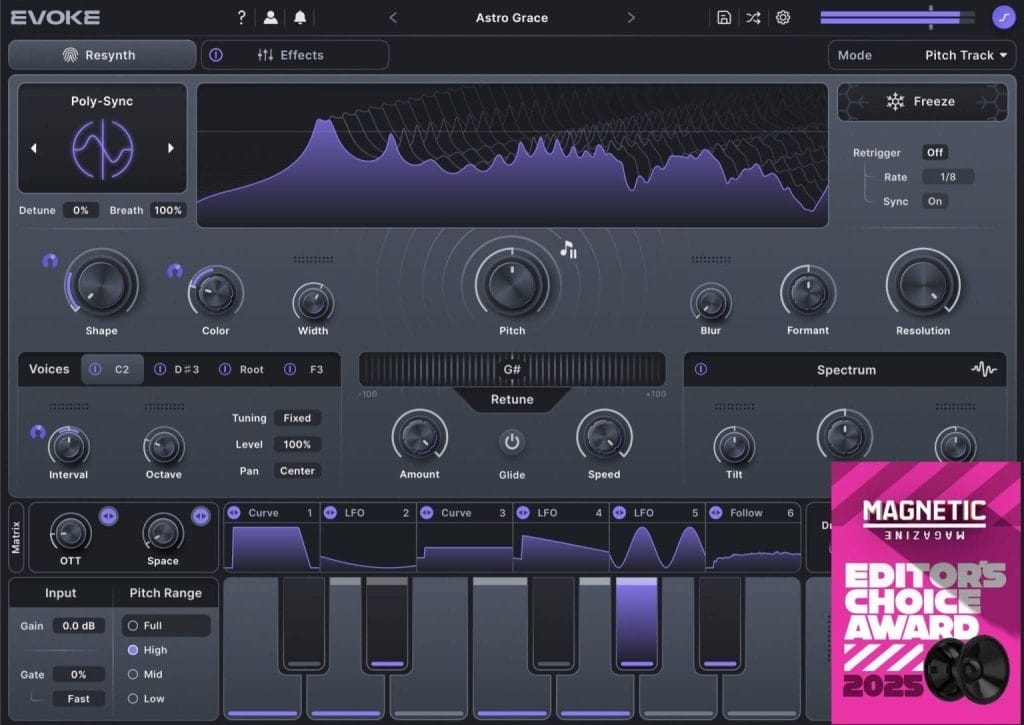
Evoke earned its place among the best gear of 2025 by consolidating vocal processing into a single environment that actually held up in real-world writing and production sessions. Instead of building long chains for tuning, formant shaping, harmonies, and effects, I could stay within a single interface and move quickly from corrective work to full transformation.
The resynthesis engine and voice layering made it easy to reshape identity and character without losing control of pitch or timing. Modulation and macro routing remained intuitive, encouraging experimentation without slowing momentum. In practice, it handled subtle tuning and aggressive manipulation with equal confidence, which made it worthwhile across genres and workflows.
CPU demands were noticeable, but the results justified the overhead once sounds were committed.
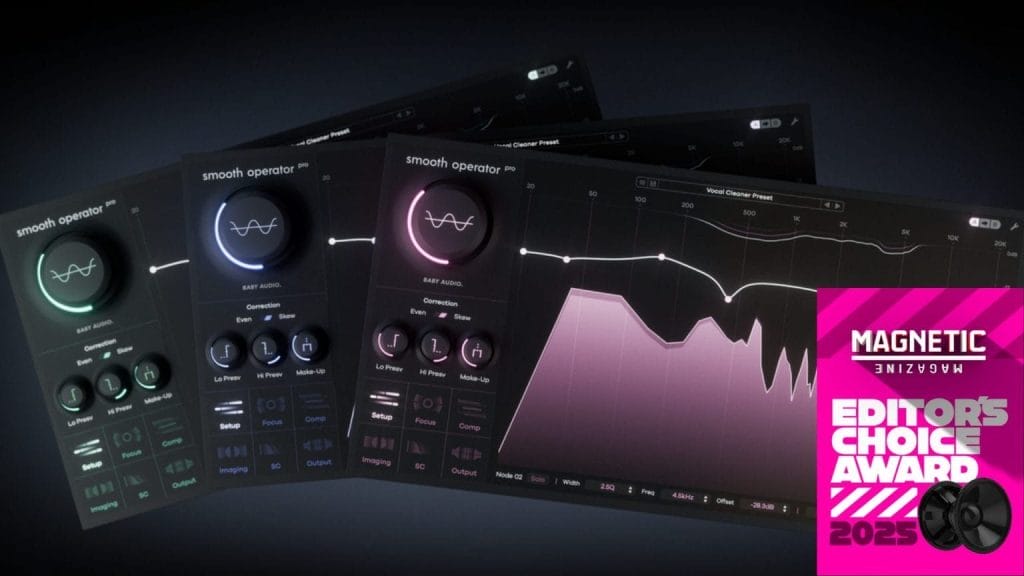
Smooth Operator Pro earned its place among the best gear of 2025 because it made spectral processing feel precise, fast, and genuinely usable in everyday mixing situations. Instead of fighting harsh resonances with stacked EQs and guesswork, I could see and shape problem areas directly while keeping the core character of the sound intact.
The updated engine responded quickly, which made it easy to stay in a creative flow rather than stopping to troubleshoot artifacts or over-processing.
What impressed me most was how effective it remained even with minimal setup, since subtle moves delivered immediate cleanup without flattening dynamics. At the same time, deeper controls allowed for surgical work when a sound really needed attention. CPU performance stayed reasonable, which made it practical to use across multiple channels instead of reserving it for problem tracks only.

The iLoud Micro Monitor Pro earned its spot among the best gear of 2025 because it delivered dependable reference monitoring in spaces where full-size setups simply do not work. What stood out immediately was how the built-in ARC calibration tightened imaging and balance in rooms that would normally be a compromise, which made mix decisions feel grounded instead of guessed.
The familiar Micro Monitor form factor stayed compact enough for desks, shelves, and mobile rigs, yet the sound carried enough clarity to reveal issues that smaller speakers usually hide. X-Monitor software added another layer of confidence by letting me check translation against multiple playback profiles without leaving the desk. Low-end extension stayed controlled and informative rather than exaggerated, which mattered for electronic and bass-focused material.
Setup remained quick and repeatable, especially for producers who move between rooms or secondary workspaces.
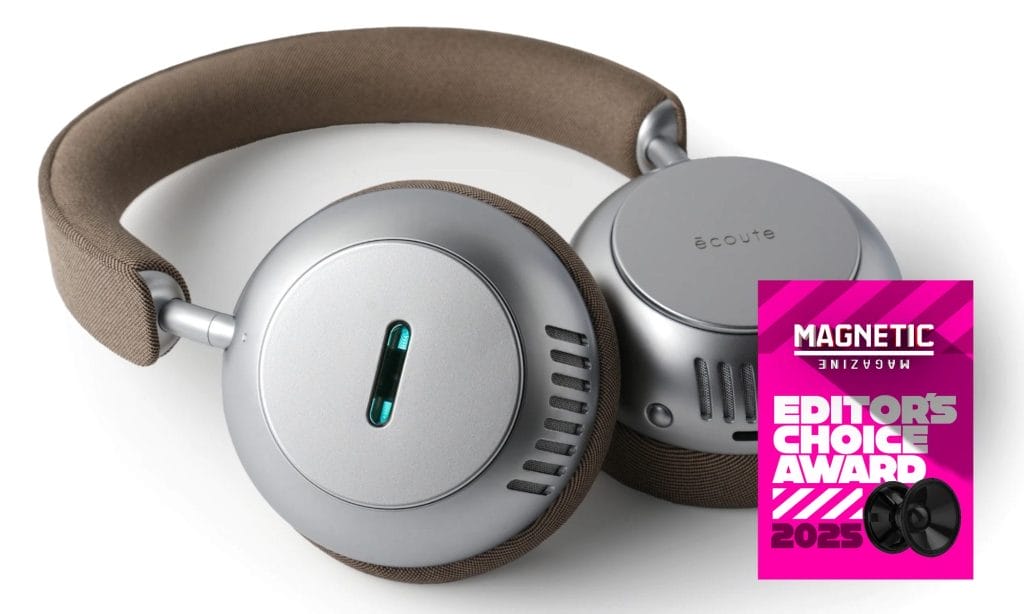
écoute earned its Editor’s Choice place in 2025 by rethinking what a high-end headphone could be when treated like a complete HiFi system rather than a single playback device. Instead of relying on external amps or DACs, the internal signal path combined a vacuum-tube preamp with a dual-mono amplification design, resulting in clear channel separation and a convincing sense of space.
Listening across wired, USB-C, and wireless sources revealed consistent tonal balance, with the midrange carrying most of the weight in a way that favored vocals and acoustic material. The presentation exposed recording details and mix decisions without relying on exaggerated low end or hyped highs. Build quality reinforced the concept, with materials and construction that felt closer to traditional HiFi components than consumer headphones.
These were clearly designed for focused listening rather than casual background use.
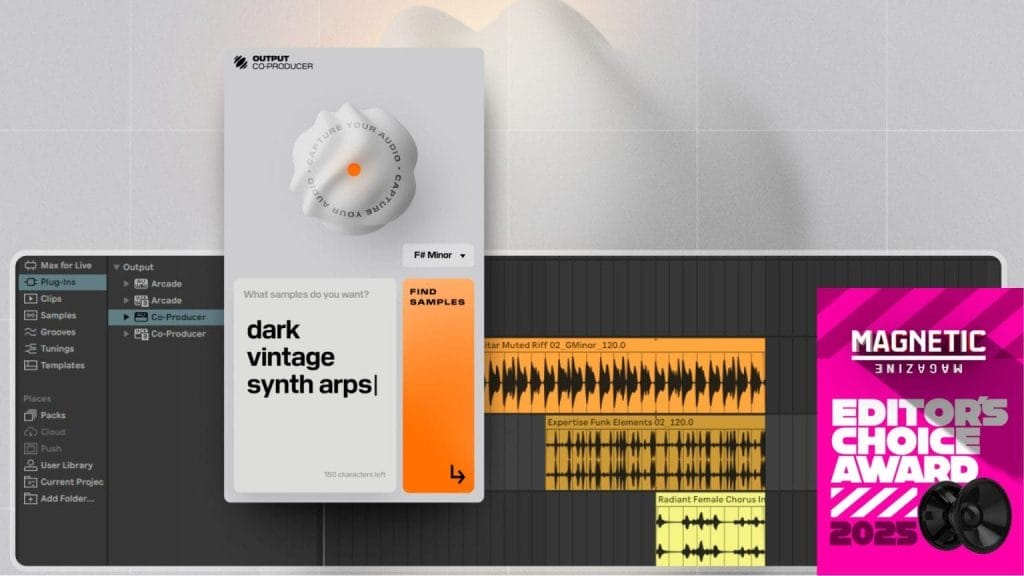
Co-Producer earned its place among the best gear of 2025 by removing one of the most time-consuming parts of music production without breaking creative flow. Instead of digging through folders or external libraries, the plugin listened to the track in progress and returned relevant, usable samples in seconds.
The text-based search stayed simple, yet the results consistently matched key, tone, and overall direction, even with minimal prompting. What stood out most was how quickly ideas came together once the friction of sample hunting disappeared.
The included sounds held up in real sessions, which meant less replacing and less second-guessing later. Performance stayed fast and stable, making it easy to keep Co-Producer open on the master without thinking about system overhead.

The AlphaTheta HDJ-F10 earned its place among the best gear of 2025 by solving a long-standing problem for DJs who want true freedom in the booth without sacrificing timing accuracy. Paired with the SonicLink transmitter, latency remained effectively invisible, so cueing, beatmatching, and long blends felt completely natural even during tight mixes.
The build quality felt purpose-built for touring and club use, with durable materials and comfort that held up across extended sets. Sound tuning leaned toward clarity and impact in loud environments, making kicks and transients easy to lock onto when conditions got chaotic.
Switching between ultra-low-latency wireless and standard Bluetooth added flexibility for travel and everyday listening. Battery life covered full-length performances with room to spare, and the option to fall back to wired use kept them dependable in edge cases.
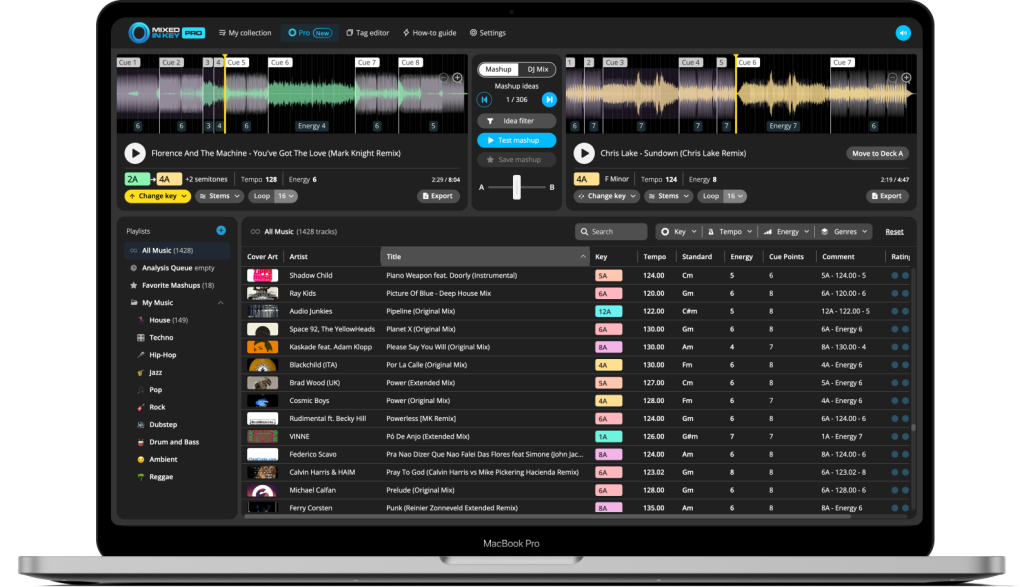
Mixed In Key 11 Pro secured its place among the best gear of 2025 by expanding from a preparation utility into a full pre-performance workflow tool.
The addition of stem separation and stem exporting made it possible to prep mashups and edits before even opening a DAW, which streamlined how sets came together. Key changing landed as a practical update that solved real-world problems when tracks sat a semitone off, and the processing stayed fast enough to remain usable at scale. Looping tools allowed ideas to be tested in context, helping transitions feel intentional rather than improvised at the last minute. The improved idea filter made it faster to build coherent sets by narrowing choices based on energy, tempo, and playlists.
Export options tied everything together by letting finished prep files move cleanly onto USBs without extra steps.
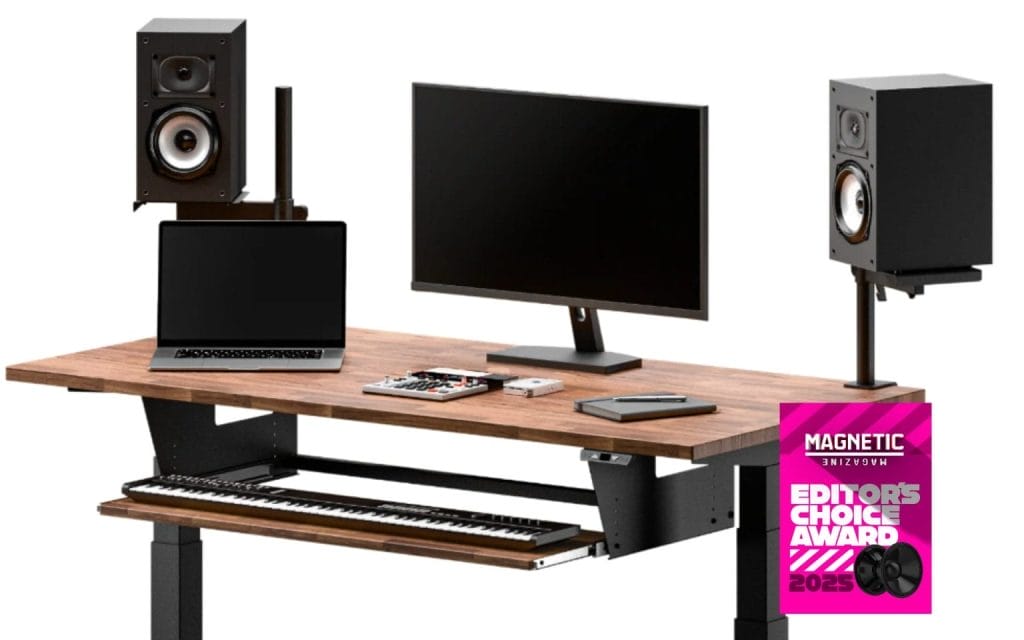
The Wavebone Starship earned its place among the best gear of 2025 by addressing studio ergonomics as a long-term workflow decision rather than a cosmetic upgrade.
After extended daily use across production, editing, and full workdays, the desk proved stable under real gear loads and consistent across seated and standing positions. The sit-stand system integrated cleanly into sessions, allowing posture changes without forcing layout compromises or gear repositioning. The keyboard tray stood out as one of the strongest design elements, supporting full-sized controllers with proper reach and visibility while staying out of the way when not in use. Build quality held up under dense hybrid setups, with no flex, drift, or vibration even at full height.
While lift capacity requires awareness for hardware-heavy rigs, performance remained reliable once balanced correctly.