Passive EQs, Low-End Balance, and Felix Raphael’s Sound in DO YOU
With the announcement of his new album DO YOU, Felix Raphael is opening up about mental health while also sharing a look into the technical decisions that shape his sound. The record, out now on [PIAS] Électronique, follows the release of the earlier singles including “Creation (no matter how far I go),” a track that captures his blend of organic house, indie influences, and live instrumentation. Alongside the broader themes of vulnerability and creativity, Raphael continues to emphasize the practical techniques that help him keep mixes honest and musical.
EQ is at the heart of that process. Raphael’s approach avoids rigid formulas in favor of context, balance, and small moves that enhance what’s already there. Whether it’s using passive EQs to smooth out vocals, cleaning up low-end clashes with analyzers, or shaping reverbs and delays so they support rather than swamp a track, his tips underline a philosophy of listening closely and letting the material guide the process. It’s a reminder that EQ is not about chasing perfect curves but about serving the energy of the song.
Below, Felix shares six practical EQ tips that reflect the same mindset driving DO YOU: simple techniques, applied with intention, that let the emotional weight of the music come through without distraction.
Connect with Felix Raphael on Instagram | Spotify | Soundcloud
Felix Raphael’s Tips On Using EQ
EQ in Context, Not in Solo (most of the time)
A sound might seem perfect in solo but completely off in the mix. Always make EQ decisions while listening to the full track—it’s all about how everything fits together. It does make sense to listen in certain groups the new sound is in now and then. Have a great recording or starting point and then Go for changes in the context of the whole song.
Smooth Out Vocals Without Harshness
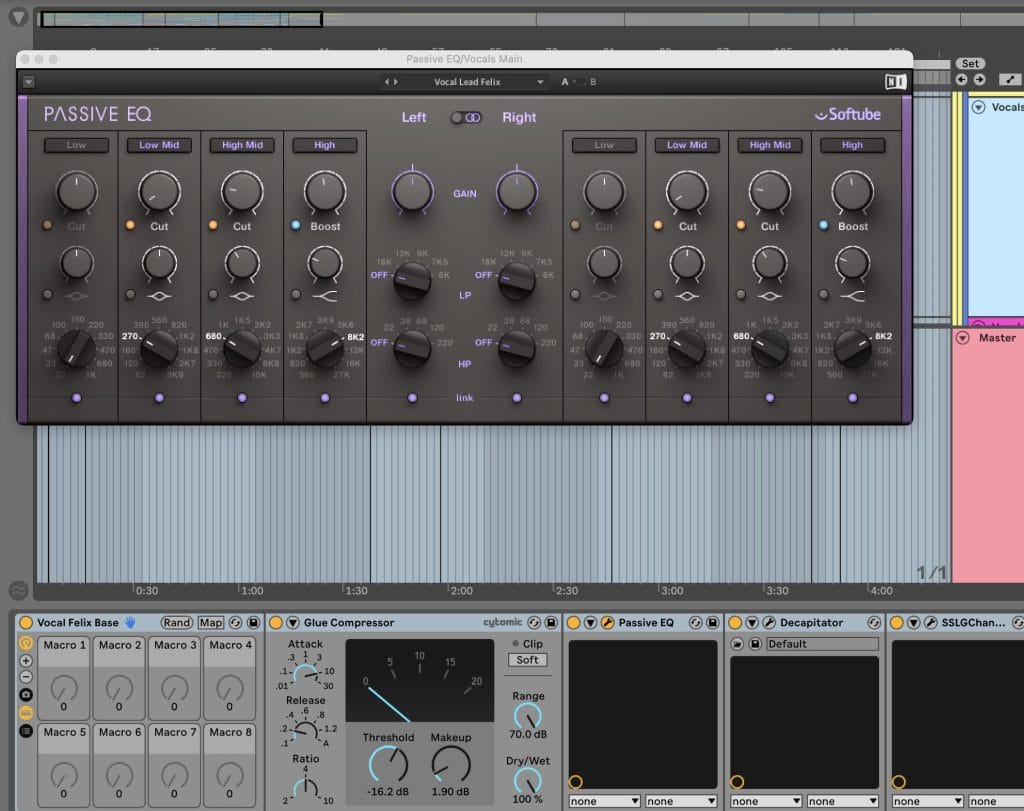
Passive EQs are amazing on vocals because they add warmth and character without making the highs too sharp. A small stereo lift in the upper mids can bring out presence without sibilance.
Tame Resonances Instead of Cutting Too Much
If a frequency stands out too much, try a gentle, wide cut rather than a deep, surgical notch. This keeps the sound natural and musical.
Shape Reverb and Delays with EQ
Always EQ your reverb and delays! That being said. Always have creative reverb and delays on a return track. Cutting lows and slightly taming highs helps them blend better without muddying the mix.
Low-End Clarity is About Balance, Not Just Boosting
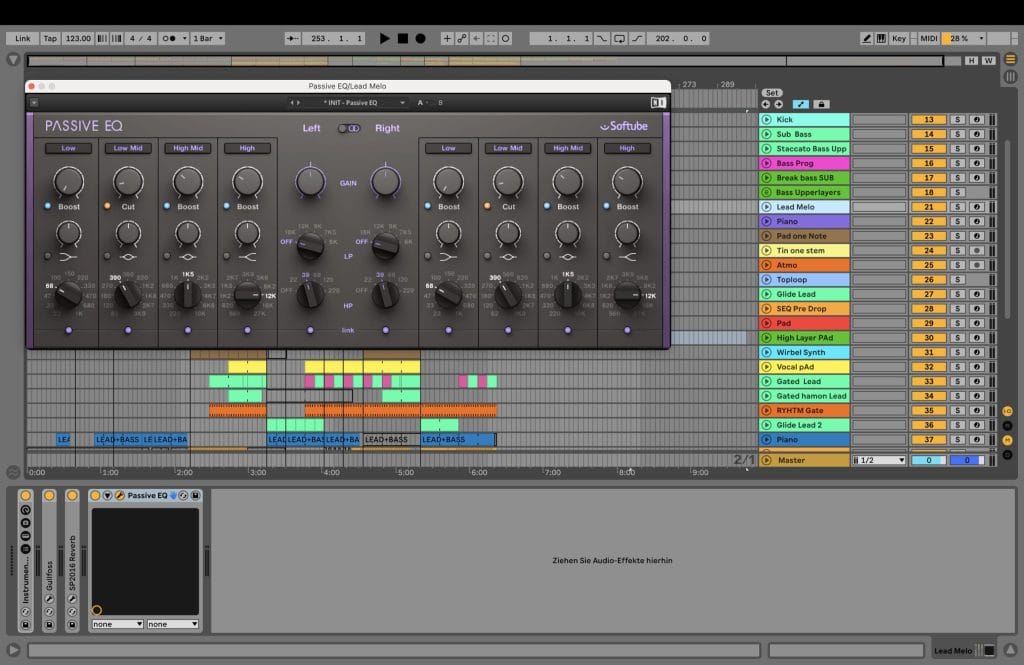
Instead of just boosting the bass, make sure your kick and bassline aren’t fighting each other. A small cut in the low-mids of one can help both shine. When it comes to low end especially I always use an analyzer, because having the waves aligned is really important, especially in the low end.
Your Ears Are More Important Than the Graph
Don’t rely too much on visuals. Trust your ear. if it sounds good to YOU! it is good, even if the EQ curve looks unconventional.
DO YOU!