STATE Talk Community, Club Culture, and Why Scenes Still Need Physical Space
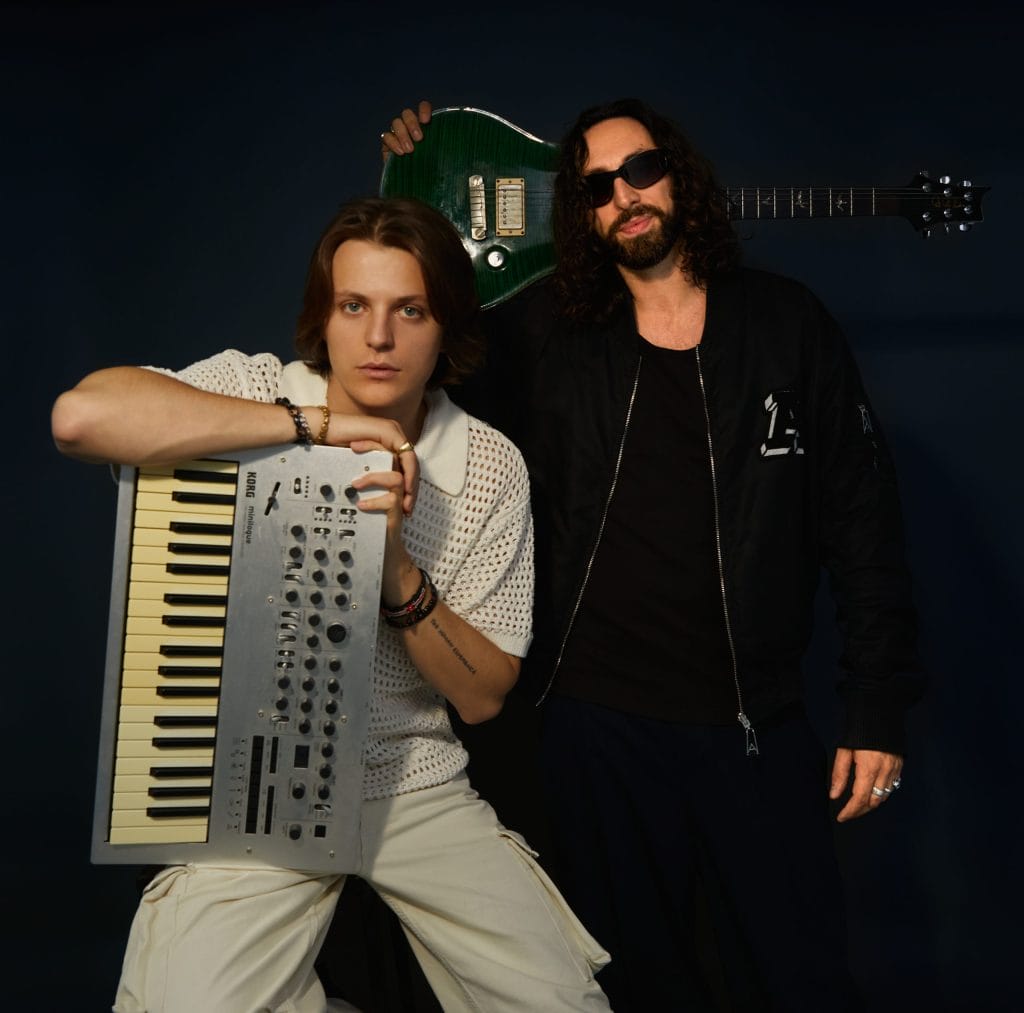
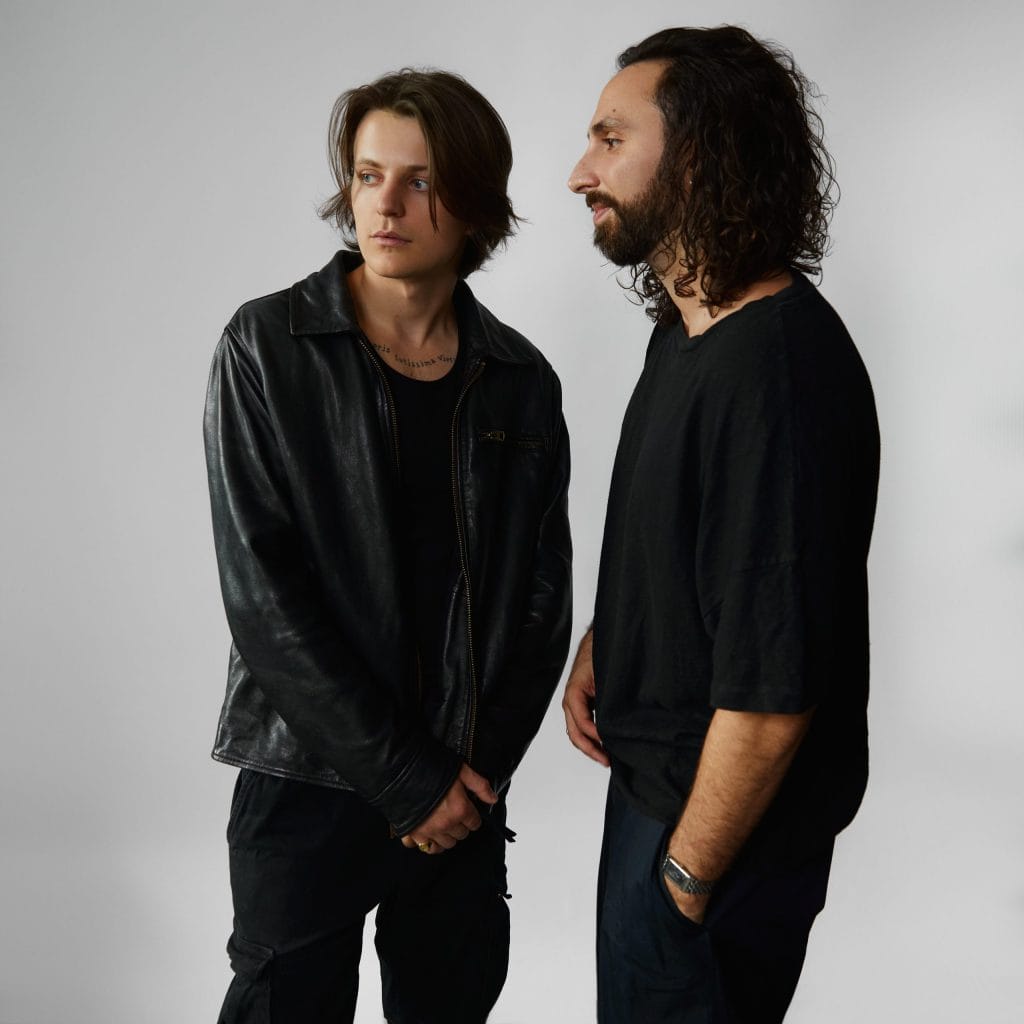
STATE approach club music as something shaped through proximity, shared rooms, and long nights spent alongside other DJs rather than through distant online exchange. Originally from France and now based in London, the duo developed their sound inside a tight local network, where regular booth sharing and in-person feedback played a direct role in how their records and performances took form.
Pre-Save and Stream The Release Here
That grounding carries through to their recent remix work for Nhii and Shyam P’s Awake EP, released today via Sounds of Khemit on December 19, 2025. STATE’s contribution sits alongside remixes from Predex and Sasta, placing their interpretation within a broader international context while still reflecting the club-focused sensibility they have refined in London. The remix keeps its attention on structure, restraint, and movement rather than spectacle, aligning with the label’s direction and the tone of the original release.
In this interview, STATE reflect on how scenes form, what still holds them together, and where they see club culture shifting today. They speak candidly about the value of physical communities, the pressures introduced by online visibility, and the elements that still define a night built around music rather than image.
Interview With STATE
How has your sense of what a “scene” has changed since you first started making music?
When we first started, the scene felt completely driven by pure love for the music. Promoters would take risks just to create special nights and push new sounds, simply for the experience. Over time, things have become a bit more structured and less spontaneous, and there’s not as much room for “let’s just see what happens.”
That shift has also made it clearer who is still doing it for the right reasons. You can really feel which parties are built on passion, community, and proper curation, and those are the ones we’re drawn to and want to be part of.
Do you think real music scenes can still take shape in person, or has the internet spread everything too far apart?
For us, being in London and surrounded by a community of real DJs has been huge. Sharing booths, studios, and late nights together has shaped our sound in a way the internet never could. So yes, real scenes absolutely still happen in person.
At the same time, social media has opened a big door. You can connect with people and scenes all over the world and build relationships that later become real gigs, collaborations, or friendships. The downside is that some great artists get overlooked if they aren’t as active online, and not everyone wants to be “good at content.” Overall, though, the mix of physical scenes and global access has made things more connected if you use it in a healthy way.
When something feels like a real music scene to you, what gives it that feeling?
For us, a real scene is when people come together with the music at the centre of everything. A good sound system, an open-minded crowd, and artists who feel free to express themselves fully.
It’s less about everyone liking the exact same sound and more about shared trust. People are willing to be surprised, to follow the DJ, and to discover something new. When that trust exists between artists, promoters, and the crowd, it feels real.
Have you ever felt genuine belonging in a scene?
Yes, especially with the people we’ve grown alongside from the beginning. That sense of connection comes from genuinely supporting each other. Playing each other’s tracks, showing up to events, sharing opportunities, and celebrating wins together.
Over time it stops feeling like a loose network and starts to feel like a small family evolving together. You’re not only focused on your own path, you’re invested in seeing the whole group rise.
In what ways have social media and global access changed how local spaces grow or hold together?
Social media has changed how local venues and clubs book DJs. There’s more focus on reach and following now, which can sometimes shift attention away from skills alone.
At the same time, local scenes can connect with the outside world much faster. A small party can suddenly host international guests, and a local resident can end up playing abroad after being discovered online.
What do you miss about how club culture used to be, and what do you appreciate about how it works now?
It feels like people are sometimes more attracted to names than the actual music. For us, it’s always about the tunes. If the music is right, that’s where we want to be.
The club scene is bigger than it used to be, and even though it aims to be inclusive, parts of it have become exclusive. The underground is still there though, you just have to look for it.