How to Write An Amazing Hook In Music Production By Bringing It Back To The Basics
Table of Contents
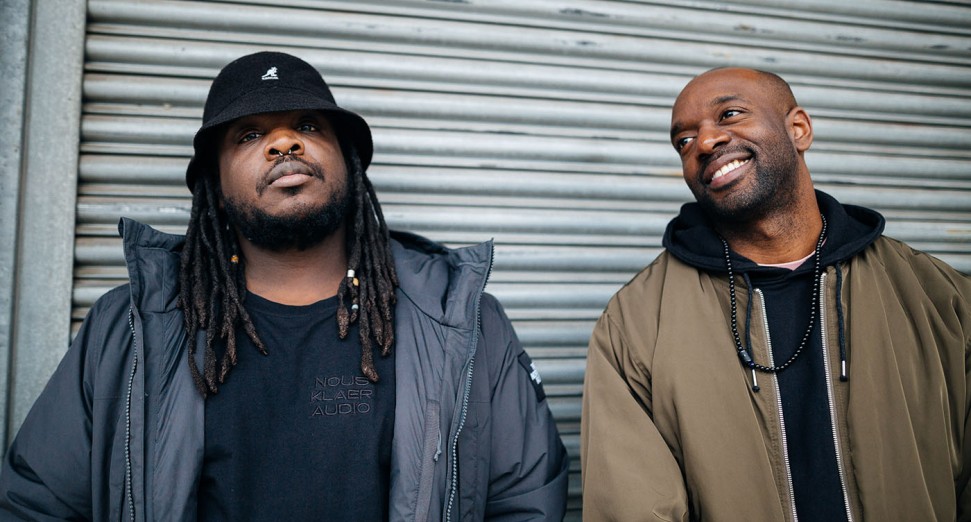
Image Cred Above: Magnetic Magazine Recordings’ Artist Discognition
When I talk about hooks with electronic music producers, I usually start with a simple truth: the hook is the part of the track people remember, hum, or wait for when it comes back around. In a streaming-driven environment, that matters more than ever, because most listeners decide very quickly if they are staying with a song or skipping to the next one. I have found that the first ten to twenty seconds carry a lot of weight, especially on platforms where attention is fragmented and choice is endless.
For electronic producers, hooks serve an additional role that often gets overlooked. Many tracks begin as loops, and loops can feel endless if there is no clear destination. A strong hook gives that loop purpose and it becomes the point everything else leads toward, which makes it easier to expand an eight-bar idea into a full arrangement without losing focus. Instead of stacking layers randomly, the hook gives you something concrete to build around.
Streaming mechanics also shape how hooks function today. On major platforms, a listener has to stay for at least thirty seconds before a play counts, and an engaging hook early in the arrangement helps carry them past that threshold naturally. This does not mean rushing everything into the intro, but it does mean being intentional about when and how your main idea appears.
What Is a Hook in a Song
The hook often defines the identity of a track. It might be a vocal phrase, a synth line, or a guitar figure, but it is usually the element that makes a song recognizable within moments. With modern attention spans being what they are, the beginning of a track needs to present a compelling motif quickly, or at least hint at one that is about to arrive.
Hooks also drive replay value. When listeners hit repeat, that behavior feeds directly into streaming performance and long-term reach. In electronic genres, hooks can come from many places, including vocal samples, synth leads, or production techniques like filter automation or modulation movement. That flexibility gives producers room to develop signatures that feel personal rather than formulaic.
Let’s take a look at the various different types of hooks you can lean on from a bird’s eye view. The whole point of this is to showcase and have a quick reference for the different hooks you can use in your own tracks that are apart from just an incredibly catchy melody. Anything can be a hook as long as it’s got that signature ear-worm quality.
- Melodic hooks are what most people think of first. These are short note sequences that are easy to remember and repeat. They often rely on limited note choices and clear rhythmic placement, which makes them easy to recall even after a single listen.
- Rhythmic hooks work differently. Instead of relying on pitch, they stand out through pattern and timing. If a rhythm makes you tap your foot without thinking, it is doing its job. Bass lines and percussion figures often fill this role in electronic music. To learn the basics, check out this essential roundup of drum patterns to get you started.
- Lyrical hooks anchor a track through language. Repeated phrases or chorus lines become points of reference that listeners latch onto quickly. Even minimal wording can carry a lot of weight when it is placed correctly and repeated with intent.
- Instrumental hooks sit somewhere between melodic and production-focused ideas. These include riffs or synth lines that feel inseparable from the track itself. In electronic music, bright, repetitive lead lines often take on this role, especially when they are introduced early and reinforced throughout the arrangement.
- Structural hooks rely on repetition and arrangement choices. A sudden change in energy, texture, or section length can signal something familiar is coming back around. Over time, listeners learn these signals and respond to them instinctively.
- Production hooks come from sound design choices rather than composition alone. Distinctive processing, modulation, or vocal effects can make an otherwise simple idea feel unique. In modern electronic production, these elements often blend with melodic or rhythmic hooks rather than standing alone.
- Story-based hooks appear less often in electronic music, but they still matter when vocals or narrative elements are involved. A late-arriving lyrical shift can reframe the entire track and give listeners a reason to revisit it.
A lot of existing songwriting advice approaches hooks from a broad, genre-agnostic angle. That can be helpful, but it often misses how electronic music is actually built. This article focuses on hooks from the producer’s seat, with practical, DAW-oriented thinking that reflects real workflow. Throughout, I encourage thinking of hooks as memorable musical ideas rather than genre clichés, since the same concept can be executed through sound design, instrumentation, or arrangement choices.
Why Hooks Matter So Much in Electronic Music
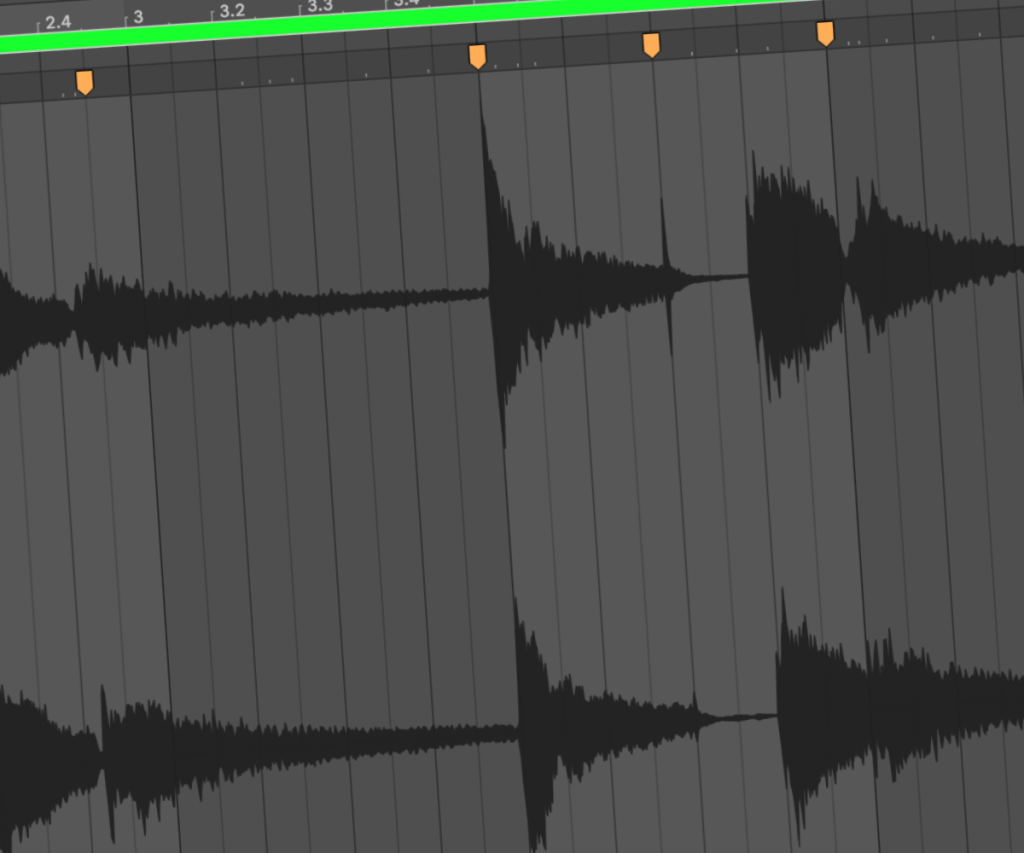
Hooks capture attention quickly, which is essential in a streaming environment where listeners decide within seconds if a track earns their time. In electronic genres, where drum patterns and tempos often overlap, hooks are what separate one track from another.
They define a song’s signature. When people recall an electronic track, they are usually remembering a specific synth line, vocal phrase, or texture rather than the drum programming underneath it. That recall is what drives recognition.
Strong hooks increase replay value. Repeat listens signal engagement, which feeds algorithmic systems and helps tracks travel further over time. This is one of the quiet mechanics behind long-term performance on playlists.
Hooks also provide structure. Producers who build from loops often struggle to know where a track should go next. Crafting a hook gives the arrangement a destination and makes it easier to plan progression and contrast.
Emotion plays a role here as well. Effective hooks create feelings like excitement, tension, or nostalgia, which is why they translate so well to dance floors and curated playlists. Those emotional responses are what keep people connected beyond a single listen.
In crowded electronic genres, hooks are one of the clearest ways to stand apart. They support DJ performance by making tracks easier to recall and mix during sets. Over time, consistent hook choices also help with artist identity, since fans begin to associate certain melodic or sonic traits with a name.
Hooks now extend beyond streaming platforms. Short, recognizable moments travel easily on social platforms, where brief clips often become entry points for new listeners. In that context, a strong hook can carry a track further than any single release strategy.
Dance Music Songs With Great Hooks
Levels – Avicii
The synth line in this track hits fast and stays consistent, and I have found that its four-bar cycle makes it easy to latch onto without needing anything complicated around it. The rhythm and pitch sit in a sweet spot where you recognize it instantly, even if you hear it out of context.
Summer – Calvin Harris
This hook works because the synth motif and vocal phrase reinforce each other instead of competing, which gives the track a clear center. I like how the repetition feels natural rather than forced, especially once the chorus locks in with the groove.
Get Lucky – Daft Punk
The guitar riff starts early and never really leaves, and that consistency turns it into the track’s calling card. It functions rhythmically and melodically at the same time, which is why you recognize the song within seconds.
Line of Sight – ODESZA
The hook shows up early in a filtered form, which sets expectations without giving everything away. When the full version arrives later, the contrast adds lift and makes the moment feel earned.
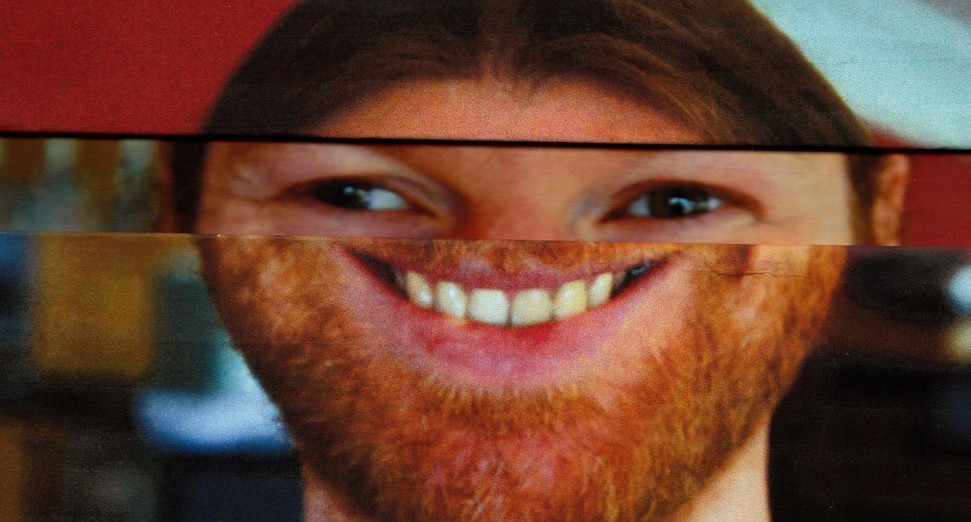
Alberto Balsam – Aphex Twin
This track proves that a hook does not need constant variation to hold attention. The repeating synth phrase stays steady while other elements move around it, which turns the hook into an anchor rather than a focal peak.
Nightcall – Kavinsky
The opening sound design sets the tone before any music even starts, and that intro becomes inseparable from the track itself. By the time the synth line enters, the atmosphere has already done half the work of pulling you in.
Location – Khalid
The space in the intro creates tension, and I have found that the delayed arrival of the vocal hook makes it hit harder when it finally lands. Silence and restraint do a lot of the work here.
Harder, Better, Faster, Stronger – Daft Punk
The repeated vocal processing turns simple words into a rhythmic and textural motif. This track is a great example of how production choices alone can create a hook that carries an entire arrangement.
Happy – Pharrell Williams
The hook relies on a short, repeated phrase that stays front and center throughout the song. I like how the simplicity keeps it accessible while the rhythm underneath gives it momentum.
Common Mistakes to Avoid When Writing Hooks
One of the fastest ways to weaken a hook is by overcomplicating it. I have found that adding too many notes or layering complex rhythms usually works against memorability, because the listener has nothing simple to grab onto. Hooks tend to work best when they feel obvious in hindsight, and that clarity disappears quickly once a melody becomes busy or overly technical.
Another issue I see often is hooks that are simply too long. When a phrase stretches on, it stops functioning as a hook and starts behaving like a verse, which blurs the structure of the track. A hook should feel like a quick imprint rather than a full statement, something that lands fast and leaves a trace.
Contrast matters more than many producers realize. If the hook blends too closely with the verse or bridge, it never fully steps into focus. Differences in rhythm, density, pitch range, or energy are what signal to the listener that something important has arrived. Without that separation, even a strong idea can pass unnoticed.
Rhythm and dynamics also play a big role. A solid melodic idea can still fall flat if it does not lock into a clear rhythmic identity or if the surrounding dynamics flatten it out. I also see hooks lose impact when they are buried under excessive effects. Processing should enhance the idea, not mask it, and clarity usually wins over complexity.
Some ideas simply are not hooks, and forcing them rarely ends well. If a motif does not feel natural after repeated listens, it is often better to set it aside and try something else. Repetition is essential, but repeating a weak idea does not make it stronger. Fresh ears matter too, because after looping something for hours it becomes difficult to judge how it actually lands for someone hearing it the first time.
Finally, space is critical. Overcrowding the arrangement around the hook can drain its impact. Leaving room through arrangement and dynamics allows the hook to breathe and actually feel important when it arrives.
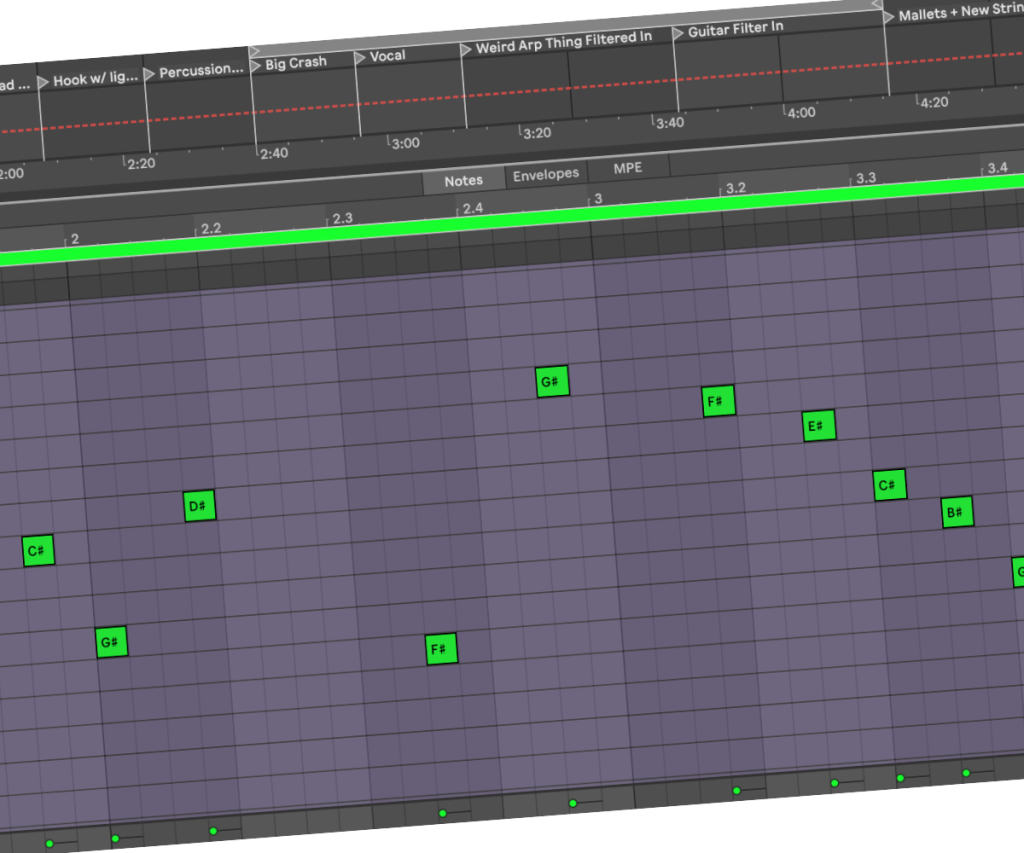
There are plenty of tools that can support hook writing if you use them with intention. Analysis platforms like Hookpad and TheoryTab are useful for breaking down how popular songs handle melody and harmony, especially when you want to visualize ideas on a piano roll and understand why certain progressions support memorable phrases.
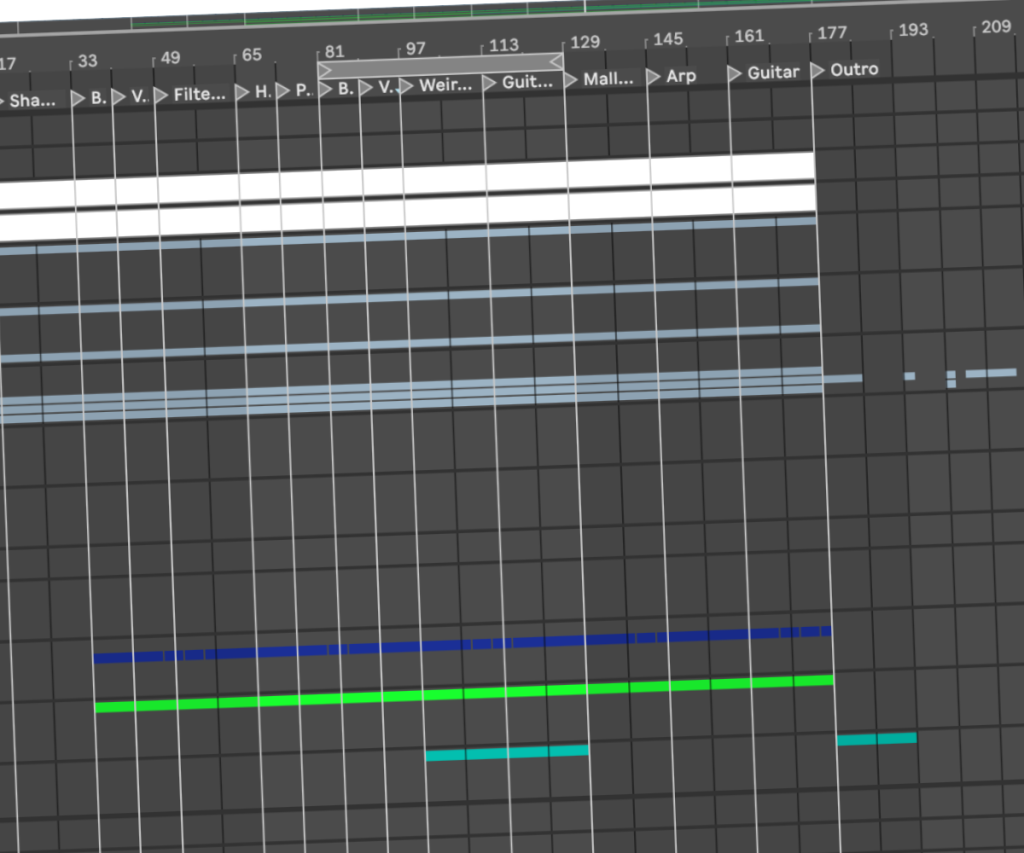
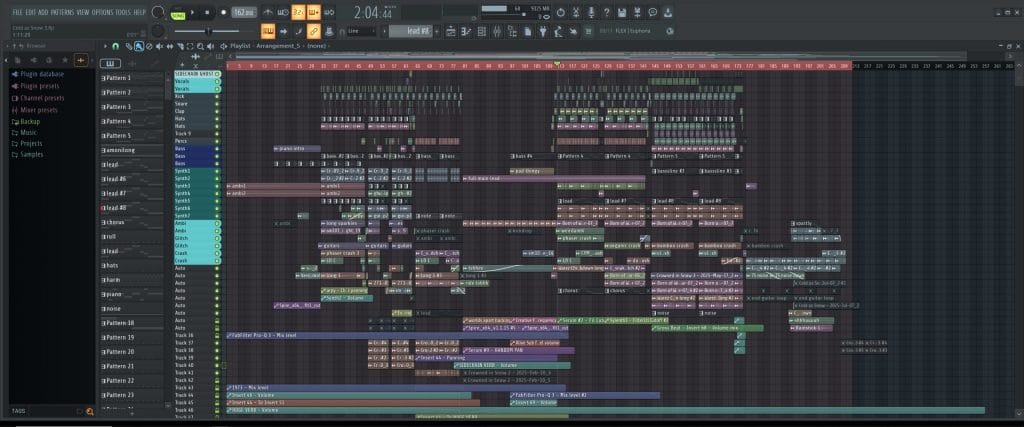
Your DAW remains the main workspace for experimenting. Looping sections, sequencing melodies, and quickly testing arrangement changes make it easier to evaluate whether a hook holds up beyond the initial spark. MIDI controllers and step sequencers can help unlock rhythmic ideas that might not emerge from drawing notes with a mouse.
Sound sources matter too. Sample packs and virtual instruments provide starting points that can trigger ideas, whether that comes from a synth lead, a vocal chop, or an unexpected texture. Theory references also help, since understanding intervals, scales, and chord movement gives you more control over how a hook feels emotionally. Take a look at this article Native Instruments wrote about the ten most essential chord progressions to get you started!
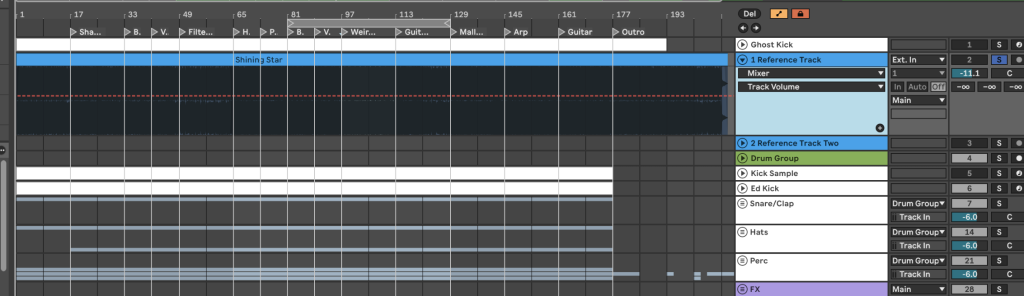
Reference tracks are one of the most practical resources available. Listening actively to successful hooks across genres sharpens your instincts and helps you recognize patterns that translate into your own work. Transcribing hooks you admire and identifying what makes them effective builds that understanding even faster.
Feedback is another essential part of the process. Sharing demos with other producers helps break tunnel vision and reveals whether a hook actually lands. Ear training tools can also support this by improving how quickly you recognize intervals and rhythms, which speeds up the writing process over time.
And Finally, How to Write An Amazing Hook
Hooks are the element listeners remember, and they show up in many forms, including melodic phrases, rhythmic patterns, vocal lines, instrumental motifs, or production-driven ideas. What ties them together is not genre, but clarity. Simplicity, repetition, contrast, and emotional alignment consistently show up in hooks that last.
I encourage experimenting widely. Rhythm-first writing, call-and-response phrasing, unusual instrumentation, and sound design choices can all lead to hooks that feel personal rather than generic. Introducing hooks early and repeating them with intention gives listeners time to connect before attention drifts.
Hooks are not limited to pop structures. Electronic, hip-hop, and experimental tracks all rely on hooks in their own ways, sometimes through synth lines, sometimes through texture or processing choices. The format changes, but the function stays the same.
Like any skill, hook writing improves through volume and iteration. Writing many ideas, refining the ones that work, and letting go of the ones that do not is part of the process. A well-crafted hook often provides direction for the entire track, making it easier to finish songs and stand out in a crowded space.
A useful exercise is to revisit your favorite electronic tracks, identify the hooks, and break down why they work. Apply those observations directly to your own productions and treat each track as another opportunity to strengthen that instinct.