Nino Blink on Context, Club Memory, and the Full Tilt EP
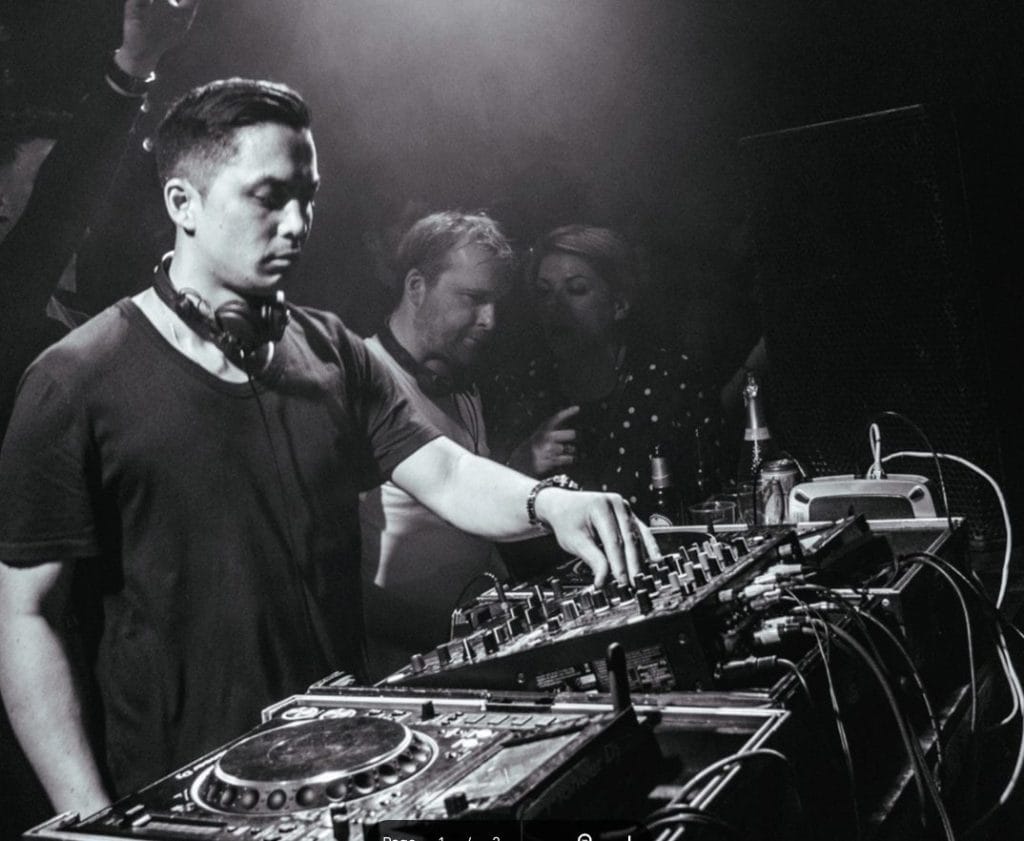
Nino Blink steps into 2026 with a clear run of releases and a steady increase in activity behind the decks. His Full Tilt EP lands on Gain Records today on March 20, marking his second release of the year, with another project already lined up on Elektrotribe a week later. Alongside that, he is set to return to Berlin for an open-air Face2Face set with Moog Conspiracy on April 4, continuing a schedule that ties releases directly to club environments.
Snag The Release On Beatport Here
This conversation focuses on how context shapes the way he works with music. Instead of isolating tracks as standalone tools, he looks at how label identity, personal memory, and club experience influence selection. That perspective carries through his answers, where he ties discovery, repetition, and structure back to how a track functions in a room.
What stands out is the way he approaches familiarity. He studies tracks closely, tests them across systems, and builds a sense of timing around when and where they belong. That process connects directly to the Full Tilt EP, which is built with late-night sets in mind and reflects the same attention to placement and flow that comes up throughout this interview.
Interview With Nino Blink
How does context – such as label identity, artwork, or backstory – shape your relationship with a track?
Usually I base a lot of my music off of emotions, how I’m feeling at the time, certain events that have happened, or even clubs or parties that I’ve been to that I could imagine it being played at. I use this as a starting point and then try and make it flow from there.
I find that trying to make things happen naturally rather than forcing them leads to better end results but means it can take a bit longer to get it where it needs to be.
When you discover something through a playlist, what makes you explore the artist further?
There has to be something that initially catches my attention, whether it’s a certain sound, noise, synth, groove, percussion, bassline, or melody that I like, and if it makes me wonder how they’ve made it then I’ll go back and listen to a lot of the artist’s other tracks to see if they have a similar vibe. I find that artists with a unique sound tend to keep me wanting to explore more of their music, especially if they use a lot of cool production tricks. A lot of times
I’ll find out about artists through releases on labels that I like, which will make me listen to what else they have released with other labels.
Does knowing more about a record influence how long it stays in your rotation?
I think thats one of the things that makes a great DJ, you need to know your tunes.
The more you play out a track the more you’re familiar with it, it’s not always the same people at the gigs so it could be someone’s first time hearing it even though I’ve played it in the past so I don’t worry so much about how often I’ve played it before. I feel it’s important to let people hear new music but it’s also just as important to know when to play certain tracks.
I have some go-to tracks that I’ll dig out if I feel the mood is right, and sometimes these can be older tracks or ones that I’ve played a few times in the past.
How much does background inform the way you present music in a set?
Although I play Techno I try not to be too rigid with my sets and will play something from a different genre if the setting is right. That way I can try and keep people guessing as to what’s next and means the sets aren’t too predictable.
Appreciating music from different backgrounds helps with sound design and structure and means you often experiment more, such as adding samples or sounds from different genres, I find this keeps things interesting and enjoyable.
Can you recall a discovery where the surrounding story deepened your connection?
I remember the first time I went to Pressure at The Arches in Glasgow with Slam playing.
It was a club I’d been to several times before but for different non-Techno nights. My friend brought me along and it was my first introduction to Techno music in a large club. I was instantly blown away by the atmosphere and the vibe of the crowd and hearing sounds that I had never heard before. It totally changed my perspective of dance music and made me want to learn more about Techno. Even though I’d been in that club many times before I had never experienced anything like it.
How do you balance immediate feeling with deeper understanding when selecting music?
When I hear music that I like I take time to listen to it several times before playing it out. I’ll also listen to it on a few different types of headphones and speakers, I feel that I need to understand the structure of it so that I know whether to play the full track or only a part of it, when to mix in and mix out, and think what time of the night the track will fit in to.
I always try and imagine it being played in a club and imagine how people will dance to it, that way I know whether it will be right for my sets.