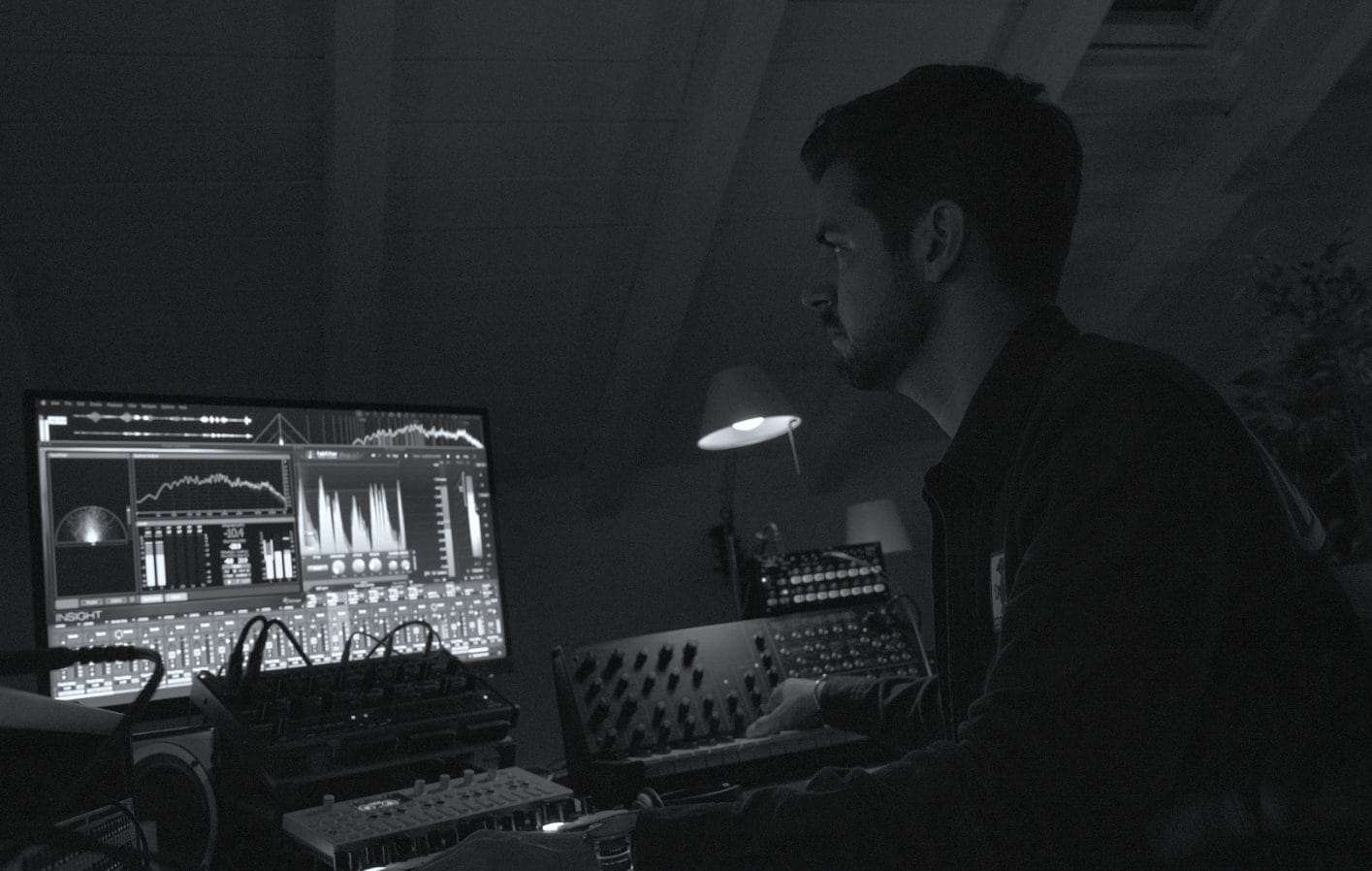
RTIK on ‘Lillian,’ Mentorship, and the Future of Music Production
RTIK’s remix of Discognition and Vellichor’s “Lillian” is a masterclass in restraint. It is the kind of record that signals a producer who understands the importance of space, knowing exactly when to build momentum and when to let the source material breathe. Rather than forcing the track into a rigid stylistic box, the Italian producer found the core emotional language of the original and expanded upon it with a measured, intentional touch.
The Philosophy of the Process
For RTIK, the finished track is merely the byproduct of a much more significant journey. In an era where AI tools can generate polished audio in seconds, he argues that the hands-on experience of production remains irreplaceable. “Starting from a blank canvas, being sparked by an idea, a feeling, an experience, or just losing yourself experimenting with new gear—that moment when everything finally clicks is genuinely priceless,” he explains. “It’s something no AI prompt can replicate.”
This philosophy extends to his broader body of work, which spans melodic techno, ambient, and downtempo. His approach is rooted in the belief that music is a language, and the act of translation—taking an internal vision and shaping it into sound—is the true essence of the craft. By skipping the struggle of the creative process, he suggests, artists risk stripping the soul from their work.
Navigating the Pressure to Release
The modern digital landscape often prioritizes constant output, a trend RTIK views with caution. He notes that the pressure to release new music every month can take a toll on quality, both for the creator and the listener. Instead, he finds inspiration in artists who take years to develop their sound, allowing time for life experiences to inform their creative output.
“I think most artists have hundreds of ideas and unfinished tracks that never see the light of day,” he says. “Personally, those are the tracks where my sound was actually developed. Whether something doesn’t work or just never finds a home, it’s all part of the learning process.”
Mentorship and the Future of Tools
For newer producers feeling overwhelmed by the rapid evolution of creative technology, RTIK offers a grounded perspective. He views AI not as a replacement, but as a potential extension of human creativity, provided it is used with intention. His advice for those starting out is simple: seek guidance.
“It can be overwhelming being surrounded by hundreds of tutorials pulling you in different directions,” he says. “A good mentor helps you filter the noise and build solid foundations first. Once you have those, all of these new tools become genuinely exciting.”