A Line-Up Should Feel Like a Journey: Oscar Rosmano on Building Temple
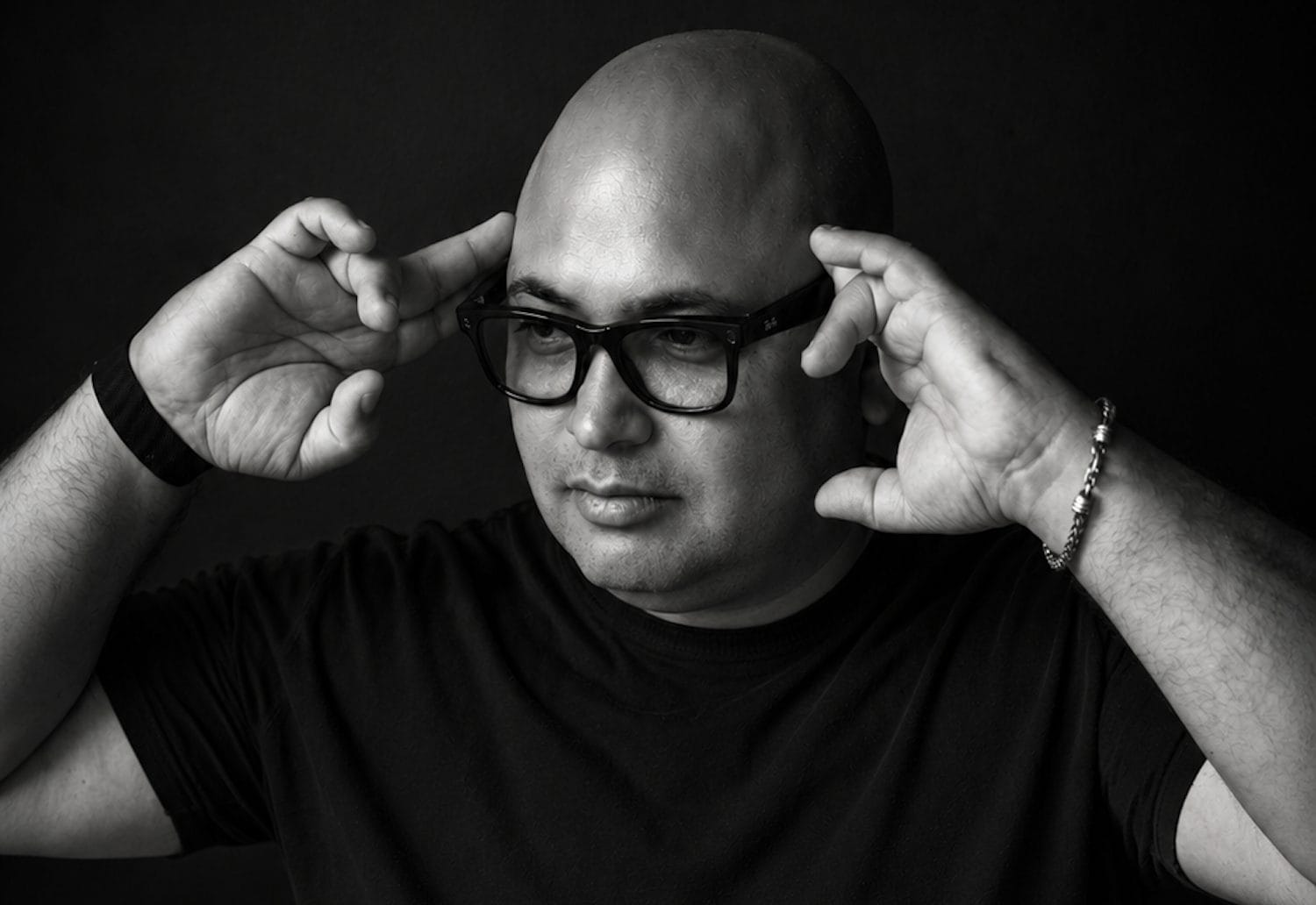
Lisbon has firmly established itself as one of Europe’s most compelling electronic music hubs. Yet, beyond the high-profile festivals and international spotlight, the city’s true identity is being forged by individuals who approach nightlife with a profound sense of purpose. Among them is Oscar Rosmano, a DJ and the visionary founder of Temple, a venue that defies the conventional clubbing template by blending architecture, history, and intentional programming.
Building a Temple of Sound
For Rosmano, the goal was never to open just another nightclub. Temple is housed within a structure boasting 300 years of history, featuring imposing mythological statues and a gallery that connects to the historic Águas Livres Aqueduct. This unique setting is central to the experience. “You don’t feel like you are walking into a normal club,” Rosmano explains. “You feel like you are entering another world.” By prioritizing a sense of mystery and historical weight, he ensures that the venue possesses a soul that transcends the music itself.
The Art of Curation
When it comes to programming, Rosmano is critical of the industry’s obsession with social media metrics and trending names. He believes that a truly memorable night is defined by chemistry rather than a flyer filled with big-ticket artists. “A line-up should feel like a journey, not just a collection of names,” he notes. For him, the magic lies in how artists connect, how the energy ebbs and flows, and how the curation respects the context of the room. Whether it is the warm-up act or an unexpected guest, the focus remains on the collective experience of the crowd.
Navigating the Industry
Rosmano’s dual role as a promoter and a producer has fundamentally shifted his perspective behind the decks. Watching the dancefloor from the promoter’s side has taught him to read the room with a psychologist’s eye. He no longer plays for himself; he plays for the space. This patience and selectivity have also bled into his production work, where he navigates the intersection of Progressive and Afro House. He views these genres not as commercial trends, but as complementary energies: the introspective, sunrise-like quality of Progressive House paired with the physical, sunset-warmth of Afro House.
Persistence as a Foundation
Building a community in the face of administrative and legal hurdles has been a defining challenge for Temple. Despite the setbacks, including the loss of a significant digital presence, Rosmano remains committed to the idea that a venue is a cultural space, not merely a business. He measures success not by the ease of the path, but by the persistence required to stay the course. “Sometimes success is not about making the perfect decision, but simply surviving long enough,” he reflects. For Rosmano, the journey is the destination, and as long as the music continues to move people, the mission of Temple remains fulfilled.