Ahead of Balance Miami, Ezequiel Arias on What Still Matters Behind the Decks
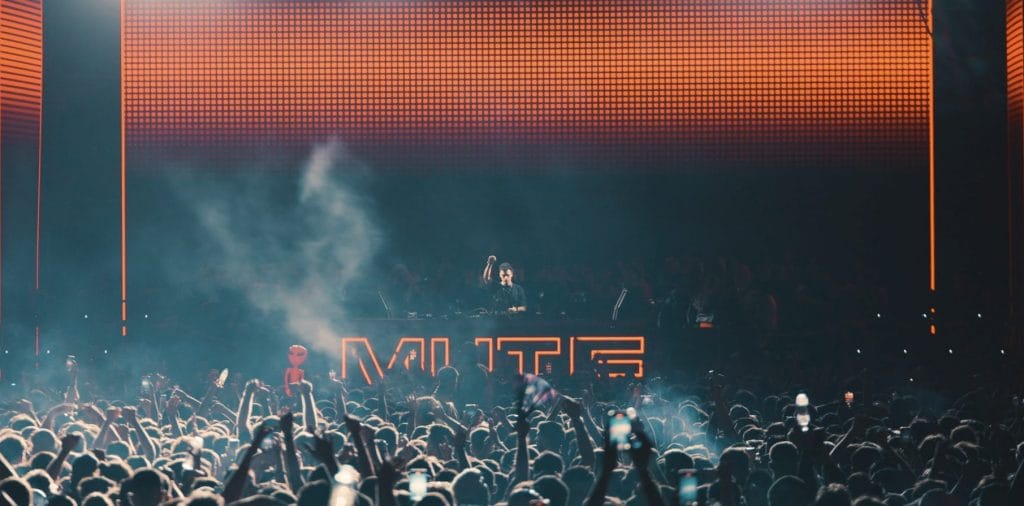
Argentine producer and DJ Ezequiel Arias (@ezeqarias) has built a reputation for sets and productions that develop gradually, favoring patience, atmosphere, and emotional progression over quick impact.
Over the past decade his work has appeared on labels such as Bedrock, Anjunadeep, and Sudbeat, while his performances have taken him from clubs and festivals across South America to stages in London, Europe, and beyond. Alongside his releases, Arias has also helped shape the melodic underground through Melorama Musica, the label he co-founded with Cruz Vittor and Nacho Varela, and through his introspective Limbo mix series.
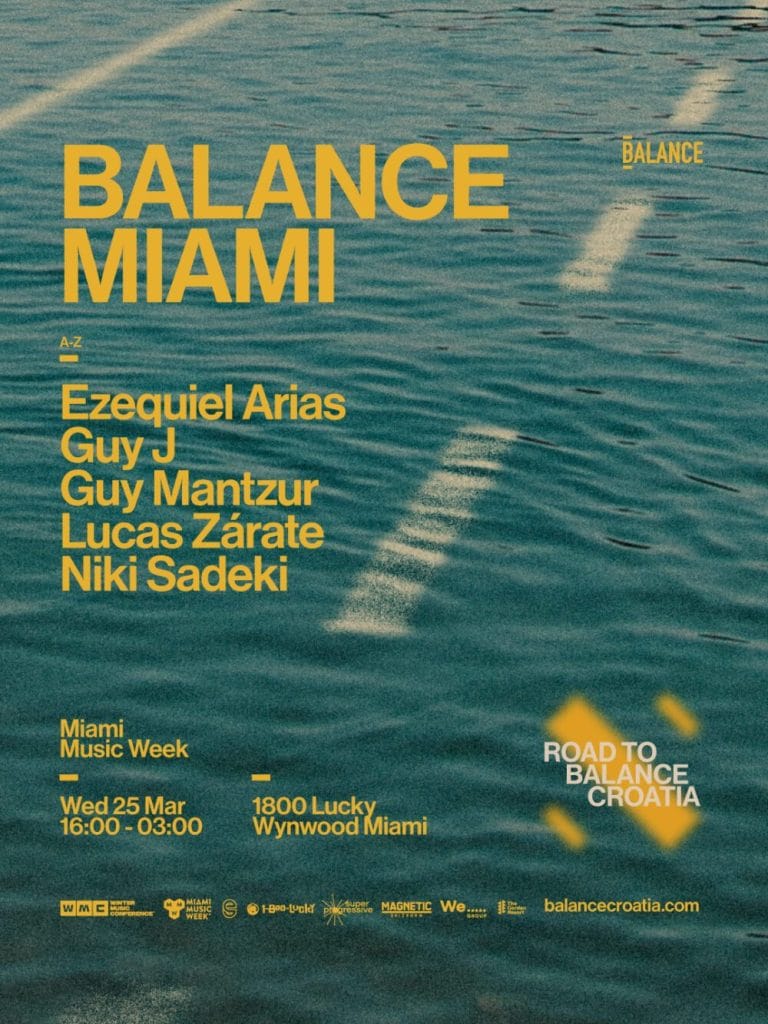
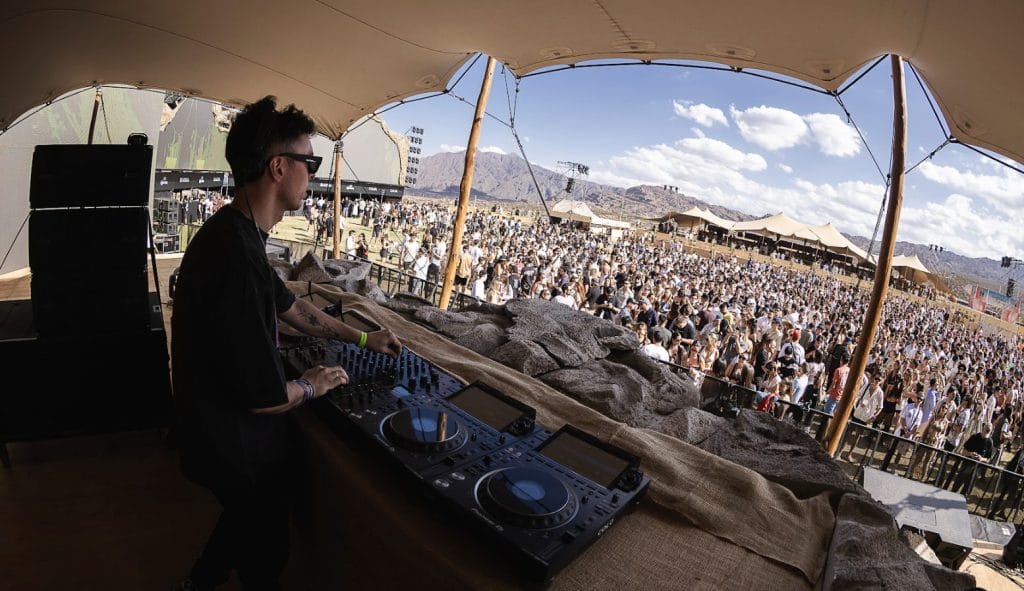
This March, he joins the lineup for Balance Music’s return to North America, performing during Winter Music Conference and Miami Music Week at 1-800 Lucky.
The event marks the first stop on the Road to Balance Croatia series and brings together artists known for long-form sets and carefully developed dancefloor narratives. In this conversation, Arias reflects on the values that still guide DJ culture, from identity and honesty to maintaining passion for the music in an industry that continues to evolve rapidly.
Interview With Ezequiel Arias
What’s one thing people used to say was essential for DJs that you’ve found doesn’t really matter?
In general, you could say that learning how to beatmatch two tracks without seeing the BPM isn’t that important today. But for me, it still is. I believe it’s important to learn that technique, even if later you end up using sync.
On the flip side, what’s one thing that’s still essential, even if no one’s talking about it right now?
In my opinion, the most important thing an artist can have is identity.
In a scene that moves so fast, that’s actually very difficult to build. Nowadays many people talk about marketing and social media (which are obviously important) but if you want a long career, the most important thing is having a personal and authentic identity.

Do you think there’s such a thing as paying dues anymore, or has that idea shifted?
Where you come from will influence everything you have to do to be heard and to earn a place in the scene. Sometimes simply having money or knowing the right people can be enough.
But if you come from nothing, social media can help, yet it’s also important to build real connections with artists and people who are part of the culture in your city. And I believe there’s always some kind of “right of passage” you have to go through.
What tools, traits, or habits matter less now that the landscape has changed?
When I started making music, your releases and the labels you were signed to were extremely important.
They could open doors both nationally and internationally. I think that has changed. Labels are still important, but they’re no longer essential. Other things now play a big role, such as your number of followers, the community you build, and ticket sales.
Can you name a value or principle that still feels timeless, no matter how fast the scene evolves?
Respect and honesty are two of the most important values. Never forget where you come from and always treat everyone you meet along the way with respect.
Have you had to unlearn anything from earlier in your DJ life that no longer applies?
Everything you learn in life is important and happens for a reason.
Not only in terms of production or DJ techniques, but in life in general.
What do you think newcomers should prioritize if they want to last in the industry?
I believe the most important thing is to prioritize the passion that made you dedicate yourself to music in the first place. Never forget that initial spark. Be honest with yourself and with what you want for your art.
Don’t just follow trends or ambitions. Try to create something that goes beyond the music itself.