AI Music Generator Suno Reportedly Scraped Millions of Songs
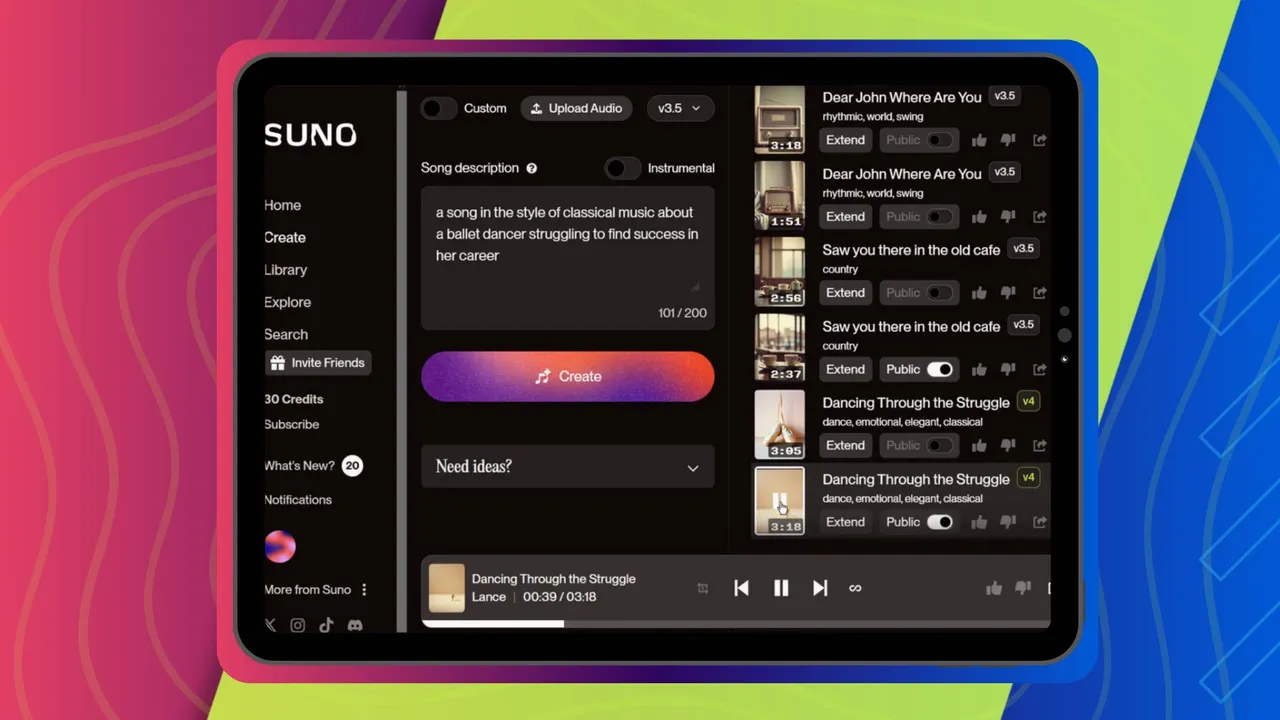
A fresh leak has pulled back the curtain on one of the most significant black boxes in the artificial intelligence industry. The popular AI music generator, Suno, is currently facing intense scrutiny following reports of unauthorized data usage.
According to internal data obtained by 404 Media, Suno reportedly scraped millions of copyrighted songs and lyrics to train its generative AI models. The data suggests that the company sourced content from major platforms, including YouTube Music, Deezer, and Genius, alongside various online audio libraries. One leaked file allegedly indicates that the company ingested more than two million clips from YouTube Music alone. These revelations provide the clearest insight yet into the development of Suno’s technology, a subject the company has largely avoided addressing publicly for months.
The timing of these findings is critical, as Suno is already embroiled in high-profile copyright lawsuits initiated by major record labels. These legal challenges accuse the company of unlawfully utilizing protected recordings to train its generative systems. While Suno has previously acknowledged that its models were trained on publicly available music files and metadata, it maintains that its practices fall under the umbrella of fair use. The newly surfaced documents, however, appear to bolster allegations that the company relied heavily on systematic scraping from streaming services.
Beyond the copyright concerns, the breach also exposed sensitive user information, including email addresses, phone numbers, and limited payment details associated with Stripe. Suno stated that the incident occurred in late 2025 and primarily involved legacy source code rather than sensitive financial data. The company further noted that it did not notify users, as it determined the breach did not meet the threshold for legal notification requirements.
Whether this leak will influence the trajectory of Suno’s ongoing legal battles remains to be seen. However, it undeniably intensifies the broader industry debate regarding AI and intellectual property. As generative music tools continue to evolve, the industry is forced to confront a difficult question: where does technological innovation end and unauthorized use begin?