Deadlynoiz Transforms Everyday Phone Recordings Into Tearout Dubstep
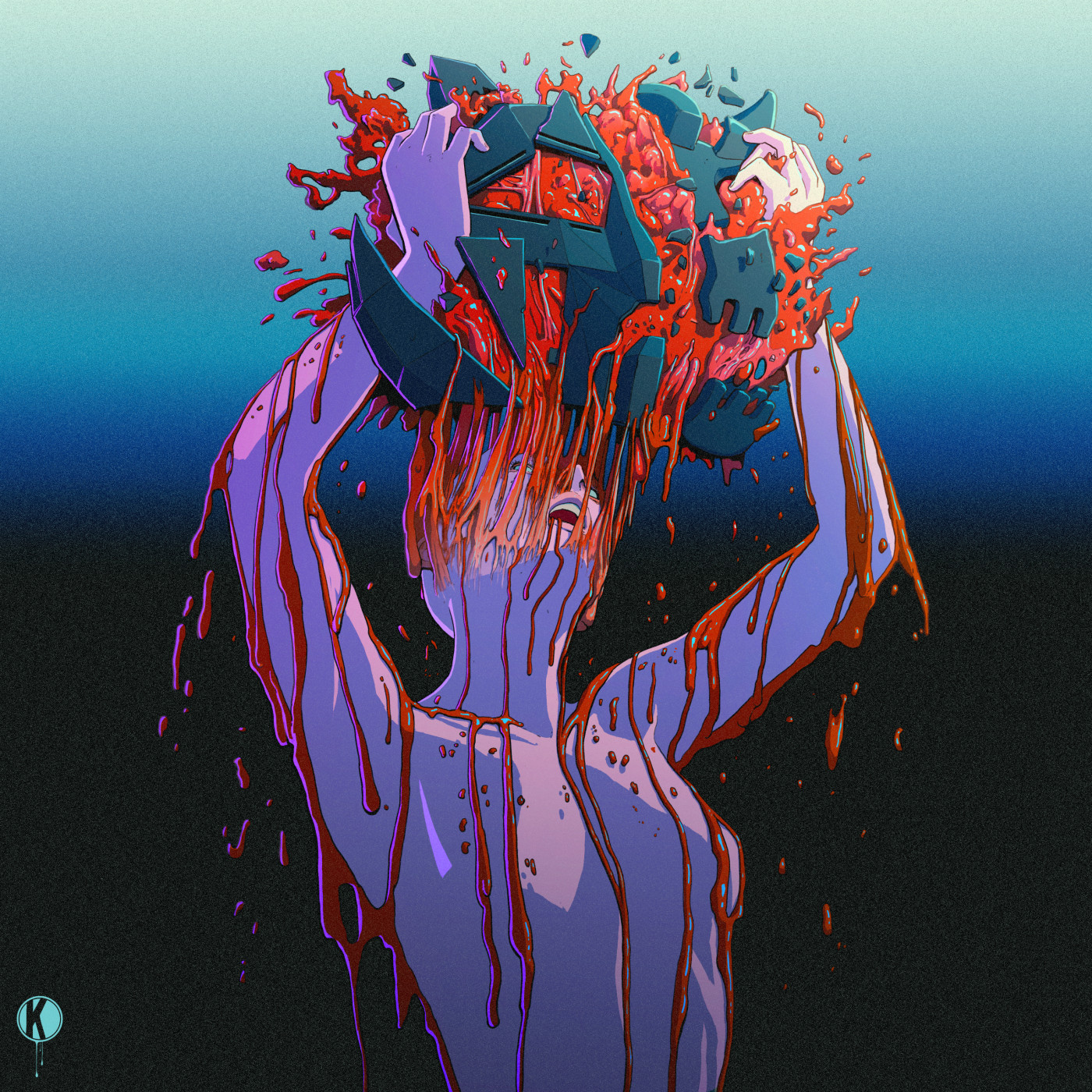
Most producers have folders filled with samples, synthesizer presets, and recordings they’ve collected over the years, but there’s a good argument that some of the most interesting sounds start with material that wasn’t intended for music production in the first place. A phone recording, an improvised vocal noise, or something captured without a particular musical purpose can become an entirely different sound once it’s brought into a DAW and processed. That is the core philosophy behind Deadlynoiz and his latest release, “Block,” which arrived this October via EDMArmy Records.
The Creative Process Behind ‘Block’
The New York-based producer began crafting the track by recording random noises into his phone’s Voice Memos app. By transferring these raw, unpolished files into his production software, he was able to manipulate them until they no longer resembled their original sources. The finished track is a masterclass in sound design, combining this experimental approach with aggressive tearout dubstep, rap vocals, and hardstyle influences.
Throughout 2026, Deadlynoiz has consistently pushed the boundaries of his sound. While previous releases like “Disco Weapon,” “What You Gonna Do,” and “Waiting” established his reputation for heavy bass house and aggressive processing, “Block” represents a significant evolution. Instead of relying exclusively on synthesizers or established sample libraries, he is using his own field recordings as the foundational material for his compositions.
From Bass House to Tearout Dubstep
Deadlynoiz has maintained an active release schedule this year, navigating between bass house, dubstep, and various hybrid styles. His earlier work focused on direct club energy and heavy low-frequency processing, but his recent output shows a shift toward darker, more atmospheric sound design. This transition is further evidenced by his recent dubstep remix of Martin Garrix and Seth Hills’ “Biochemical,” which showcased his growing interest in heavier, more complex arrangements.
The producer cites a diverse range of influences, including Skrillex, Martin Garrix, Kompany, and NGHTMRE. By drawing from different corners of the electronic music spectrum, he avoids the trap of stagnation. For producers, the most compelling aspect of “Block” is the realization that the original source material does not need to resemble the final product. The creative magic occurs within the DAW, where simple, everyday sounds are transformed into the aggressive, high-energy textures that define modern tearout dubstep.