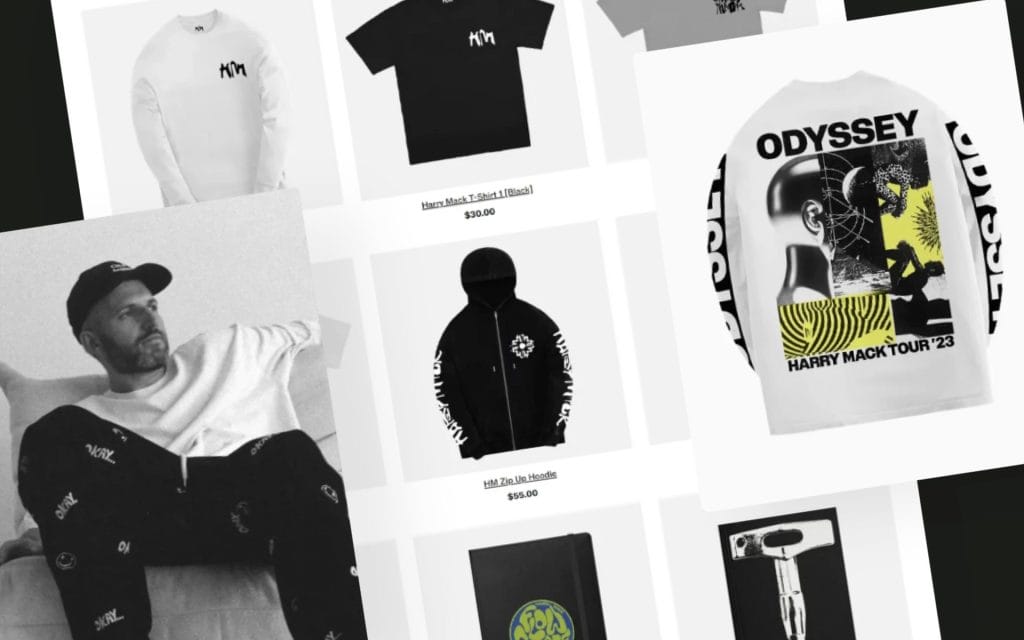
Digital Merch Platforms for Musicians: 6 Sites To Sell Your Amazing Drip, Swag, And More
All Images Are Sourced And Credited From Respective Brands’ Websites.
Table of Contents
It’s no secret these days that making a living from your art often means wearing many hats, and one of those involves selling digital merch directly to fans; in fact that’s a phrase we hear so often that it’s almost cliche even if there’s a lot of truth to it.
Digital merch platforms for musicians give producers, DJs, and artists the tools to host and deliver sample packs, loops, presets, video lessons, or even eBooks while handling payment, file security, and basic fan management in one place. I’ve spent a bit of time exploring these services because the old approach of sharing a Dropbox link and hoping someone pays no longer works at any meaningful scale. Modern platforms now handle sales tax, offer flexible payment options, and support direct relationships with listeners who may first discover your work on social media.
With so many tools competing for attention, choosing the right platform depends on what you plan to sell and how you want to interact with your audience. In the roundup below, I’ve broken down and shared my personal take on several digital merch platforms for musicians, focusing on what differentiates each option and where limitations showed up during my research. Some services lean toward community and memberships, others combine print-on-demand merch with downloads, and some focus on fast, reliable delivery for single products.
The goal here is to help you evaluate these platforms based on your workflow, your catalog, and the type of connection you want to maintain with the people supporting your work.
As someone who values simplicity and wants an all-in-one solution (we have a lot of irons in the fire over here at Magnetic), I found Fourthwall pretty intriguing because it blends an e-commerce store with membership features and built-in merch fulfillment, plus I saw that some of my favorite YouTube creators like Phillip de Franco are fans of the platform so I knew I had to take a deeper peep into it.
Setting up a digital store on Fourthwall is straightforward, and you can upload sample packs, stems or tutorial videos without needing a separate hosting service since the platform securely delivers digital files and even automates updates if you replace a file. Membership tiers let you build recurring income by offering exclusive tutorials or behind-the-scenes videos, and there’s a donations feature for supporters who simply want to tip you. Upgrading to the paid plan removes transaction fees, increases storage and lets you use a custom domain, which makes your page feel more professional and can help you own your branding.
Payment processing is handled through major cards, Apple Pay and PayPal, and the platform acts as the merchant of record so you don’t need to worry about collecting sales tax in different states or countries. The major downside I noticed is that design options are somewhat constrained; while you can tweak colours and layouts, you won’t find a marketplace of third-party apps to extend functionality, and search engine optimisation settings are basic.
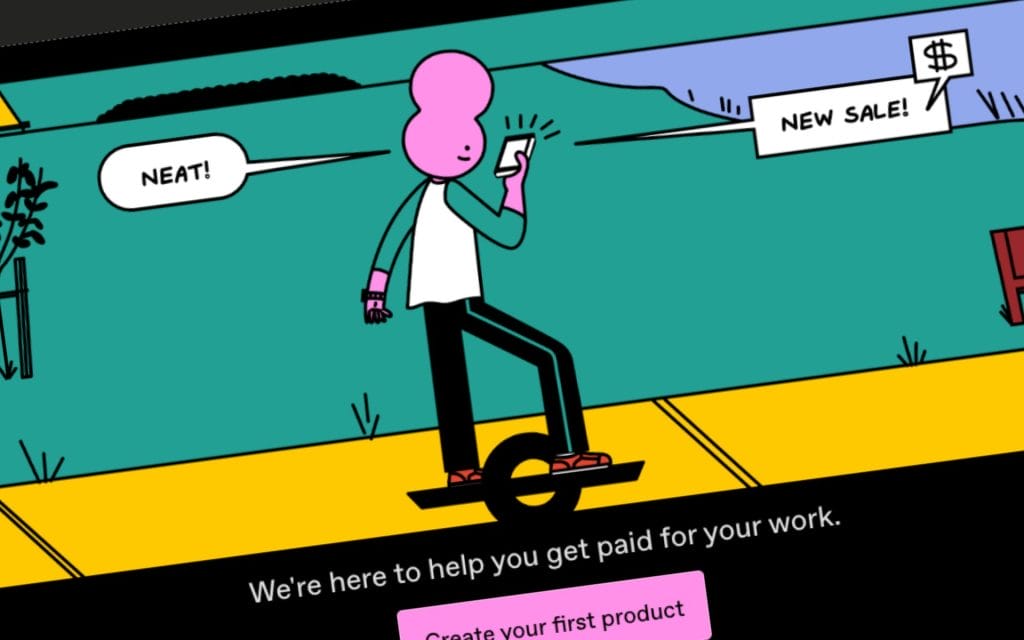
When I first tried Gumroad, I was struck by how quick it was to create a storefront and post a new sample pack or tutorial. There’s no monthly subscription fee; instead, Gumroad takes a 10% cut of your revenue, plus payment processing, which can add up but means you only pay when you sell something.
You can also set up subscription products if you want to deliver new loops or patches every month, and there’s a simple built-in affiliate program so you can partner with other producers who will promote your packs in exchange for a commission. However, Gumroad’s strength in simplicity is also a limitation; you can’t heavily customise your storefront beyond colours and a banner, and you won’t find advanced sales funnels or cross-sell automation here.
Still, for beatmakers and DJs looking to sell sample packs, presets or even physical merch without worrying about hosting files or building a full website, Gumroad’s frictionless setup and per-transaction model can be a sensible starting point.

In my experience, Sellfy provides a middle ground between a full e-commerce platform and a simple marketplace, offering the ability to sell digital downloads, subscriptions, physical merch and even print-on-demand apparel from a single storefront.
You can upload large audio files without worrying about size limits, host video content for lessons or behind-the-scenes footage and offer subscription products for recurring releases, which is ideal if you’re sharing a new sample pack or loop kit every month. Sellfy’s store builder is mobile-optimised, and you can embed product cards or buy buttons on an existing website, which means you aren’t locked into their hosted page if you already have a site. Pricing is tiered based on your annual revenue; the starter plan has a lower monthly fee but caps your yearly earnings, while higher tiers unlock features like product upselling, email credits and priority support, all without any transaction fees.
On the downside, you won’t find an extensive app marketplace or deep design customisation, and print-on-demand options are somewhat limited compared to dedicated merch services.
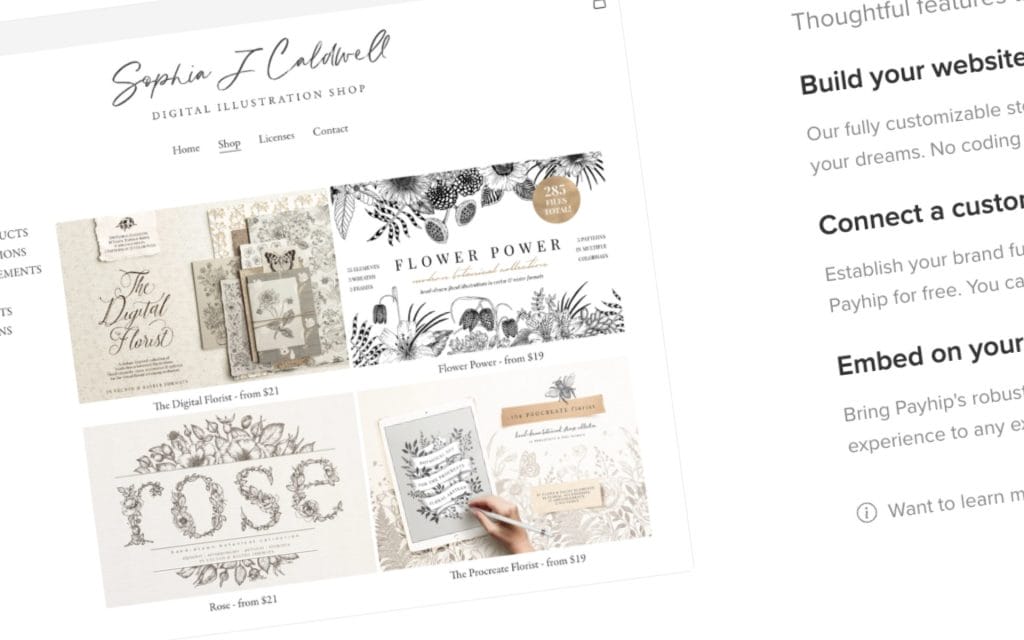
Payhip really caught my attention cause of its flexibility and generous free tier, letting artists and producers build an online store with unlimited products and revenue from day one.
You can sell digital downloads like sample packs or project files, host online courses with quizzes and videos, offer memberships or coaching sessions, and even list physical items without paying a monthly fee on the basic plan. The trade-off is that Payhip takes a five percent transaction fee on the free plan, drops to two percent on the plus plan and zero on the pro plan; all plans include features like a drag-and-drop website builder, custom domain support and automatic value-added tax calculation.
In 2025, Payhip added collaboration tools that automatically split revenue with collaborators, which is great if you’re partnering with another producer on a sample library and want to avoid manual payouts. The platform also integrates with a wide range of payment processors beyond PayPal and Stripe, including Square, Mollie and others, giving your fans options no matter where they’re located.
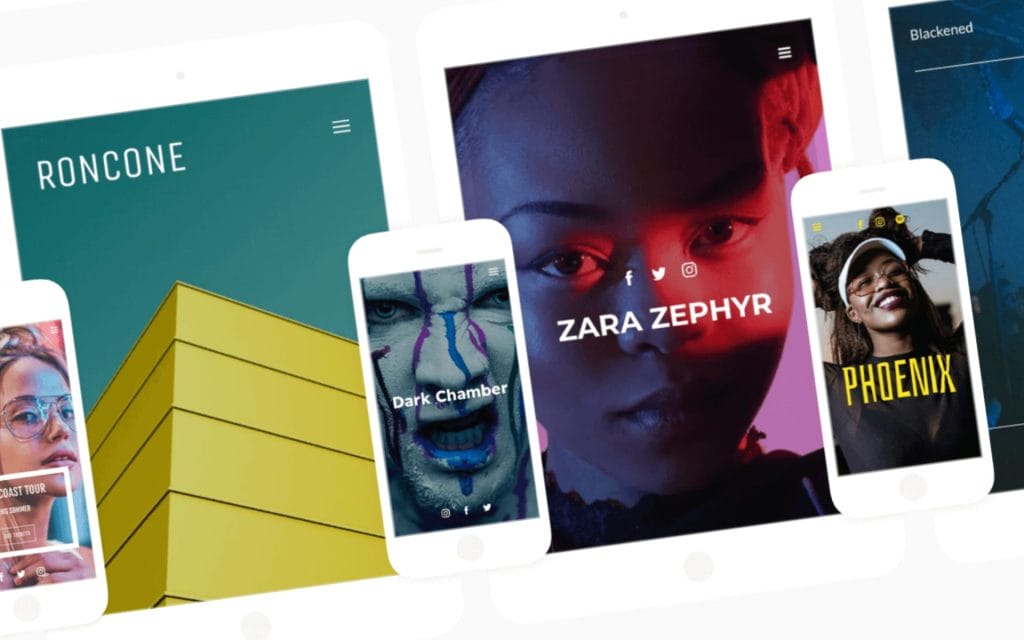
Bandzoogle began as a website builder for bands, and it retains that focus on providing musicians with all the tools needed to run a professional site and store without learning code.
The platform’s e-commerce engine allows you to sell digital downloads, physical merch, tickets, subscriptions and even host crowdfunding campaigns, and unlike many competitors, Bandzoogle doesn’t take a percentage of your sales. Instead, you pay a flat monthly fee that varies depending on the number of pages and advanced features you need; even the lowest tier includes the ability to sell tracks and albums directly to fans, while higher tiers unlock unlimited pages, video headers and more sophisticated merch options.
Bandzoogle also includes a built-in reporting dashboard to track supporter data, and you can collect email addresses through sign-up forms or a tip jar feature. But for independent musicians and DJs who need a dedicated website with a secure store, subscription options and zero commission on sales, Bandzoogle is a strong contender that keeps your online presence and merch sales under one roof.
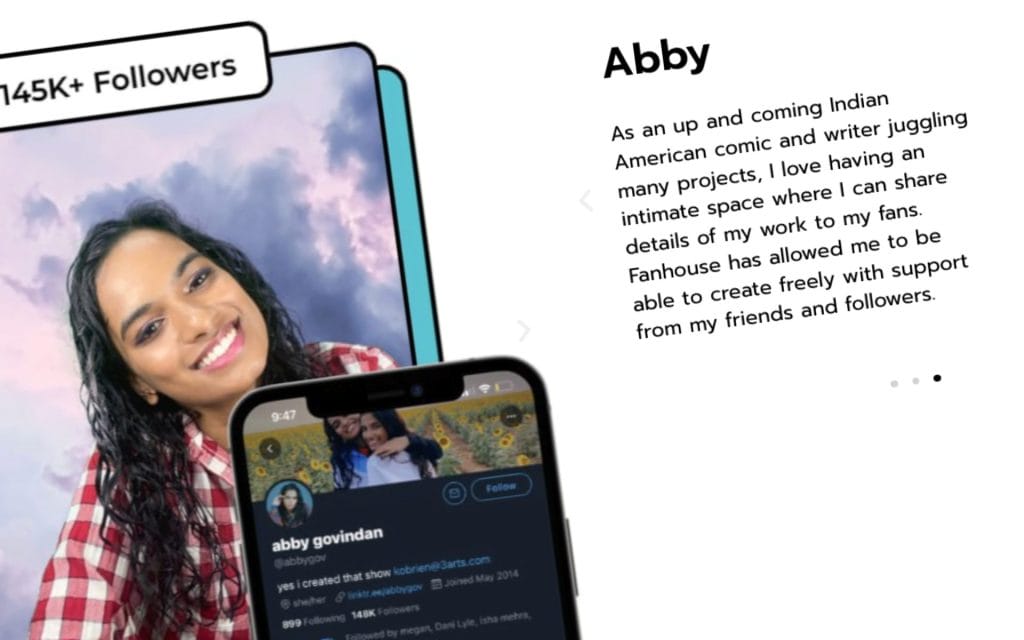
Fanhouse is fundamentally a community platform built on subscriptions, and while it’s not an e-commerce engine in the traditional sense, it offers unique tools for musicians looking to foster a close relationship with superfans and I thinkit’s a massive X-factor. Fans subscribe to your page for exclusive posts, behind-the-scenes videos, group chats, polls and even custom content requests like personalised greetings or Q&A sessions; there’s also a tip feature for one-time support.
What makes Fanhouse so damn cool for musicians is the set of features rolled out specifically for artists, including alternative paywalls where you can hand out a secret passcode at shows or use a Spotify integration that grants free access to fans who have you in their top fifty artists. When fans join your community, they can opt into sharing their contact information, allowing you to export emails for future newsletters or ticket announcements without relying solely on the platform’s messaging system.
However, for DJs and producers who value intimate fan engagement and want to offer exclusive content, tips, and small digital rewards in a PG-13 environment, Fanhouse provides a focused toolset that feels more like a private club than a generic storefront.
FAQs About Digital Merch Platforms for Musicians
What merch is good for musicians?
When I think about what actually works for musicians today, digital merch consistently outperforms physical items in terms of margin, speed, and control.
Things like sample packs, preset banks, project files, stems, DJ tools, exclusive edits, tutorials, and long-form breakdowns scale cleanly and reach fans instantly without fulfillment headaches. Digital merch also aligns with how producers and DJs already work, since much of this material exists naturally inside the creative process.
Platforms like Fourthwall, Gumroad, and Payhip make it easy to package that work without turning it into a separate business operation. Physical merch can still play a role, but digital products give artists a way to monetize knowledge and workflow, not only branding. That shift matters when time and energy are limited.
What platforms do musicians use?
Most musicians I know end up using platforms that let them sell directly to fans without relying on algorithms or third-party discovery.
Digital merch platforms like Gumroad, Sellfy, Payhip, and Fourthwall are popular because they handle payments, file delivery, and basic storefronts in one place. Bandzoogle appeals to artists who want everything housed on a dedicated website, especially when music, tickets, and merch live side by side. Koji and Fanhouse show up more often when artists want lightweight, social-first monetization tied to existing audiences.
The common thread across all of these tools is ownership, since artists keep their customer data and control how products are presented. That ownership shapes long-term sustainability.
Why are musicians leaving Spotify?
From my perspective, musicians stepping back from Spotify usually comes down to economics and leverage rather than visibility alone. Streaming platforms excel at distribution, but they rarely convert casual listeners into direct supporters. Digital merch platforms fill that gap by letting artists sell value directly, rather than chasing fractions of a cent per stream. When a single sample pack or tutorial equals thousands of streams financially, priorities shift quickly.
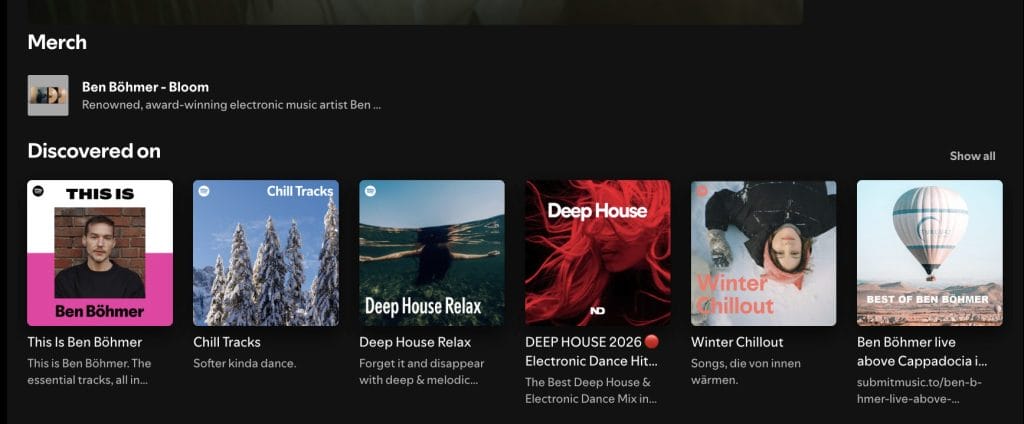
This does not mean streaming disappears from the strategy; it just stops being the center of it. Direct-to-fan revenue gives artists breathing room and decision-making power. That being said, Spotify does allow monetization for its listeners through similar merch-style offers it rolled out a couple of years ago.
What do musicians use for digital sheet music?
For digital sheet music, musicians typically use platforms that support file delivery, licensing clarity, and repeat purchases.
Payhip and Gumroad are common choices because they handle PDFs cleanly and allow creators to bundle charts, lead sheets, and educational material together. Bandzoogle works well for artists who already run a site and want sheet music alongside recordings or lesson content.
The advantage of these platforms lies in control, since pricing, access, and updates remain in the artist’s hands. Digital sheet music fits naturally into the broader digital merch ecosystem rather than living on a standalone marketplace. That integration simplifies both sales and fan experience.