First Festival Trip: 15 Mistakes To Avoid
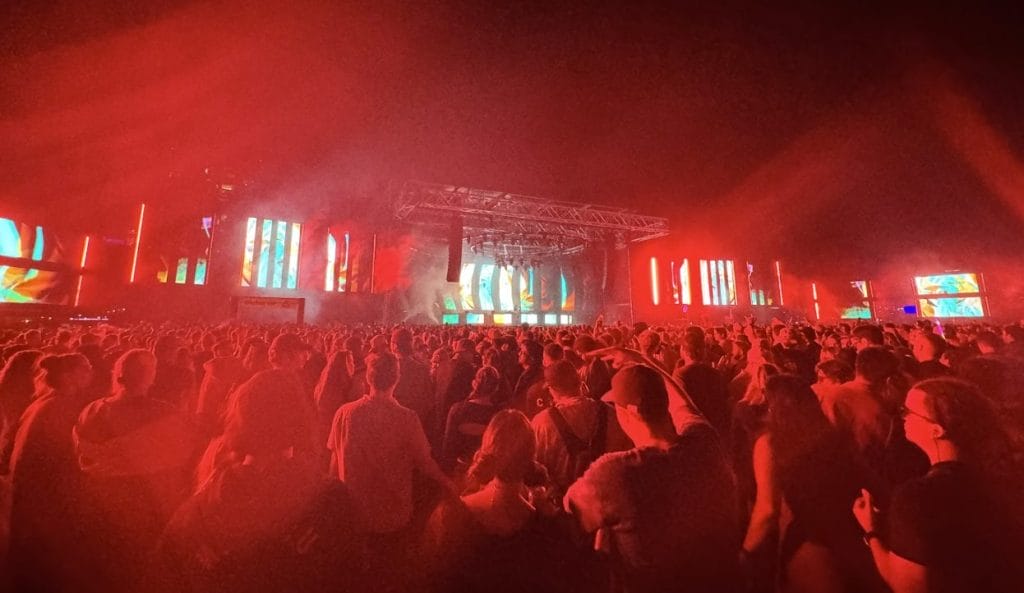
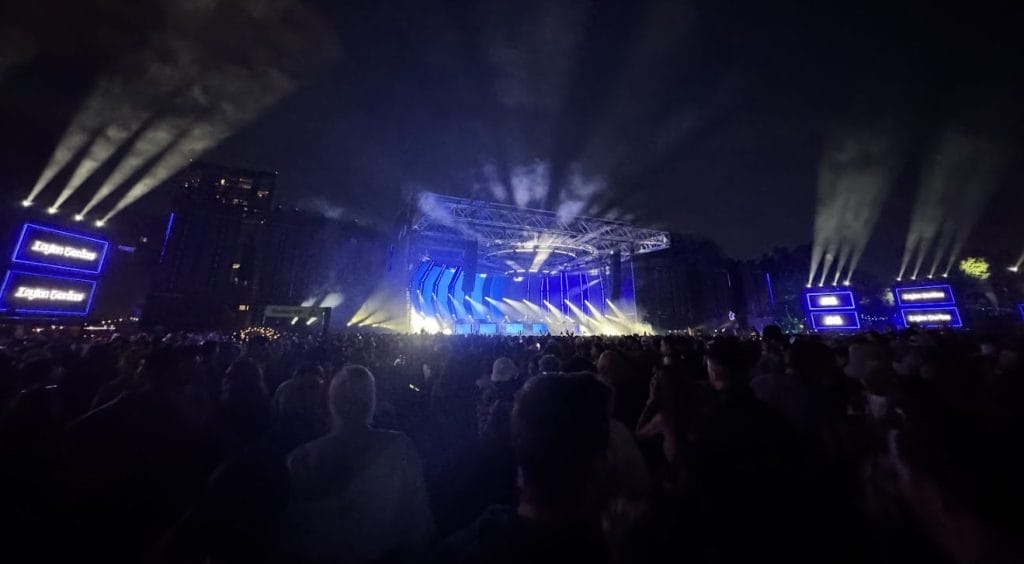
Pictures Taken When Our Team Hit Arc Festival In Chicago In 2025
If this is your first time traveling for a festival, the music is rarely the problem. Logistics, pacing, and comfort did. I have watched people spend months anticipating a weekend, then lose hours to avoidable friction because they underestimated how many moving pieces stacked up once they were dealing with travel, heat, crowds, and long walking distances for two or three days straight.
A festival is a show, but it is also a travel itinerary, a physical endurance test, and a small exercise in planning under pressure, so the best thing you can do as a first-timer is lock in the basics early and let the fun sit on top of that foundation.
Let’s dive into first things first…
Where To Stay
Start with where you stay, because lodging quietly dictates how the entire weekend feels. If you book far away from the venue, you are committing to extra travel time at the exact moments you have the least energy, and you are also gambling on the reliability of rideshares, parking, and exit traffic when thousands of other people are doing the same thing at once.
The closer you stay, the more control you have over your day. It becomes easier to start when you want to start, leave when you need to leave, and reset between days in a way that actually restores you. If the festival offers a shuttle and your accommodations are on that route, take it seriously because it removes so much uncertainty, and it turns the “how do we get there and back” question into a solved problem.
Food access matters too.
When you have restaurants nearby or a grocery option within easy reach, you stop relying on festival vendors for every meal, which is better for your budget and your stamina, and it also keeps you from making tired, expensive choices late at night when you are running on fumes.
How To Schedule
The next common mistake is treating the schedule like a contract. I get why people do it. You buy the ticket, you see a lineup you care about, and the instinct is to maximize every hour. In practice, that mindset leads to constant stage-hopping, rushed movement through crowds, and the feeling that you are always late to something.
A better approach is simple and it works. Pick two priority sets per day, protect those, and treat everything else as flexible. Festivals have overlaps, they have long walks between stages, and they have unexpected lines that can appear for water, bathrooms, food, or security chokepoints. A rigid plan collapses under those conditions, while a priority list survives.
It also gives you room for the moments that tend to define a weekend, which often come from walking into a stage you did not plan for and realizing you found a new artist you care about, or catching a collaboration you did not expect because you were not sprinting across the grounds trying to keep up with your own spreadsheet.
Showing Up
Closely tied to scheduling is arrival time, and first-timers often feel pressure to be inside the gates from open to close. You can do that, but you do not have to, and for travelers it is often the fastest way to burn out by day two.
If your artists are later in the day, use the morning like a normal human. Sleep, eat a real meal, hydrate, and take your time. Showing up later with stable energy produces a better experience than dragging yourself through the early afternoon simply because the ticket exists. This becomes even more important across multiple days, because the people who enjoy day two and day three usually did not empty the tank on day one.
What To Wear
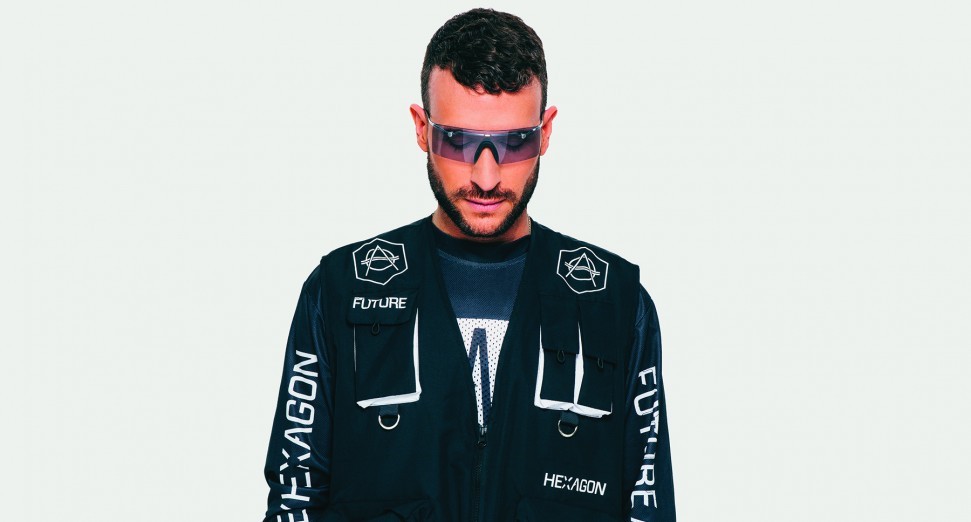
Outfits are where a lot of first-time festival travelers get sentimental instead of practical. Festival fashion has always carried subcultural signals, and you can see that in how different scenes developed their own visual language over time. Early rave leaned into bright add-ons and loose fits because the environments were unpredictable and the dancing was long. Techno rooms evolved toward minimal palettes because the spaces were dark, dense, and focused, and because “simple and functional” worked in those settings.
Bass events leaned into graphic-forward merch and jerseys because those pieces handled heat, layered well, and remained visible in large outdoor crowds. The consistent point across all of it is function, so the goal is to make choices that hold up in motion. Testing an outfit in a mirror is not enough. Put it on, walk around, sit down, raise your arms, move the way you will move at a show, and see what rubs, shifts, overheats, or restricts you.
If something annoyed you in ten minutes at home, it will become a problem in hour six at the venue. Shoes deserve even more scrutiny. You will walk miles, you will stand for hours, and you will deal with uneven surfaces and dense crowds, so wear shoes you have already stress-tested for long periods. Tie them properly, avoid anything that can easily slip off, and do not gamble on a “new pair” because you want them in photos. If you want the photo, take it at your hotel or rental, then put on the footwear that will keep you functional when the day actually begins.
How To Prep For Festival Weather
Temperature swings get overlooked in the same way. A hot afternoon can turn into a cold, windy night, and outdoor environments add dust and grit that amplify discomfort. A light layer that packs down small is one of the highest-value items you can bring, because it keeps you from leaving early when the temperature drops and it keeps you from spending money on an emergency purchase you did not want.
The same logic applies to carry strategy.
Open pockets in a dense crowd are a risk, and it is also a fast route to losing your phone. A close-to-body bag keeps essentials secure and accessible. If you want to browse practical carry options and small add-ons that support long days in crowds, you can Shop rave accessories
Once you are on the grounds, hydration and food are the two inputs that decide how your body behaves, and both tend to get neglected by first-timers because they get caught up. Drink water consistently, not reactively. A refillable bottle or hydration pack makes this easier, and electrolytes help when heat and sweat are high. Food matters the same way. Skipping meals often leads to a crash at the worst time, and then you end up spending an hour recovering instead of enjoying the sets you traveled for. Eat a real meal before you arrive, then plan for at least one proper food break inside. Festivals burn calories. That is not a moral issue, it is fuel. If you want stable energy, you need consistent input.
Everything Else (…That’s Still Essential)
Hearing Protection
Hearing protection belongs in the same category of “simple habits with long-term impact.” Volume exposure adds up across a weekend, and you do not get a do-over with your ears. Carry earplugs designed for live music, keep them accessible, and use them early rather than after you feel fatigue. It is one of the most adult choices you can make at a festival, and it improves comfort across long days.
Lost Friends
Finally, handle the “lost friends” problem before it happens, because cell service often degrades in crowded festival environments. Screenshot the map and set times before you enter, pick a visible meeting point, and agree on a check-in plan. This prevents the spiral where you spend an hour wandering and texting into the void, and it keeps the group from getting stressed when the environment gets dense.
The same general principle applies to crowd etiquette and safety.
For Your Health
Know where water and medical services are early. If you need to move through the crowd, be polite and keep it moving. Stay out of walkways when you take breaks. Look out for people who need help, and signal staff quickly when something is off.
These are small choices, but they shape the social atmosphere of the space and they keep the experience safe for everyone around you.
If you take anything from this, it should be that a strong first festival trip comes from a realistic plan and a practical kit, not from trying to “win” the weekend. Choose lodging that reduces friction, build a schedule that can bend, dress for movement, protect your feet and ears, keep your phone and essentials secure, and treat hydration, food, and sleep as part of the ticket. Do that, and you give yourself the freedom to actually enjoy the reason you traveled in the first place.