How It Was Made: Chris Giuliano – out alive (club mix)
Chris Giuliano stepped into a new phase with out alive, a club-focused version built around tight low end movement, precise percussion, and a clear focus on how each element supports the peak time energy. He approached this one with a producer mindset shaped by years inside progressive and melodic territories, steering the record toward a cleaner and more assertive direction. The goal stayed simple throughout the process.
Build a track that hits with intent and keeps momentum without adding unnecessary layers.
Taber’s vocal delivered the final anchor. Her tone shaped the emotional center of the record and guided many of the mix decisions, particularly the space around the midrange. Chris locked in the atmosphere with controlled reverb, carefully shaped delays and subtle saturation that kept the vocal present without weighing down the arrangement. Every move served the same purpose. Keep the vocal clear and let the instrumental frame it without pulling focus.
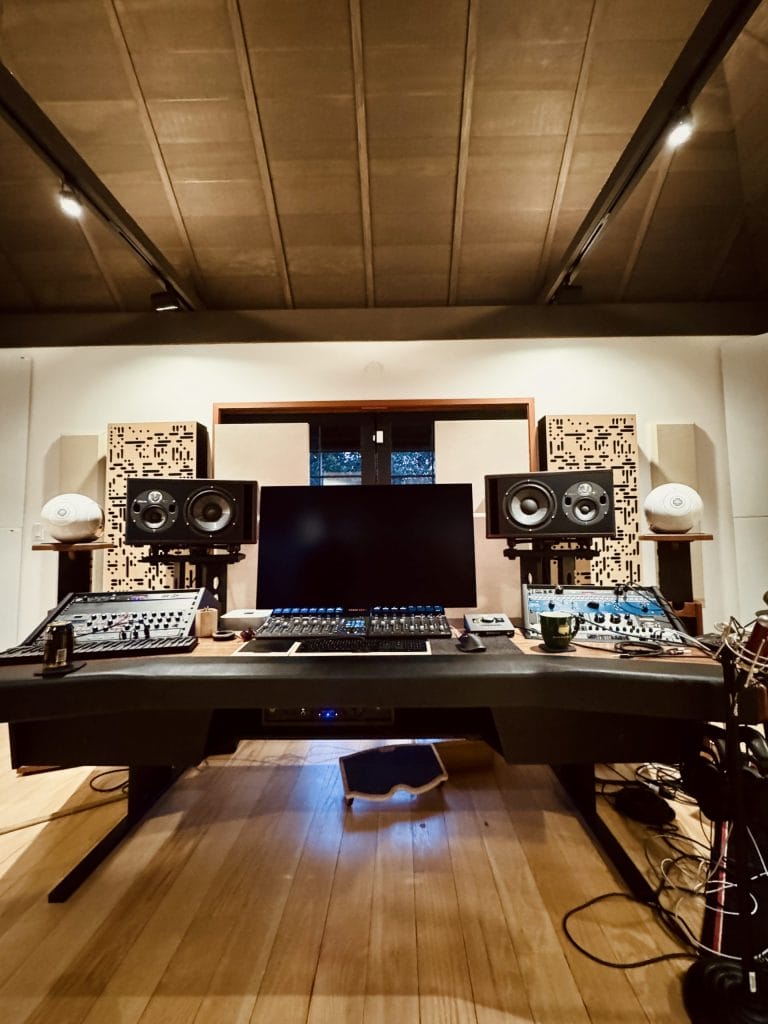
The track took shape while Chris prepared for his Dreamstate SoCal performance which added urgency to the final production and mix choices. He built the arrangement in a way that translates cleanly on large systems which informed the bass writing, the drum choice and the movement within the midrange. This edition of the How It Was Made series walks through the exact tools, decisions and practical steps behind out alive, keeping the process grounded in clear and repeatable techniques.
Lead Synth
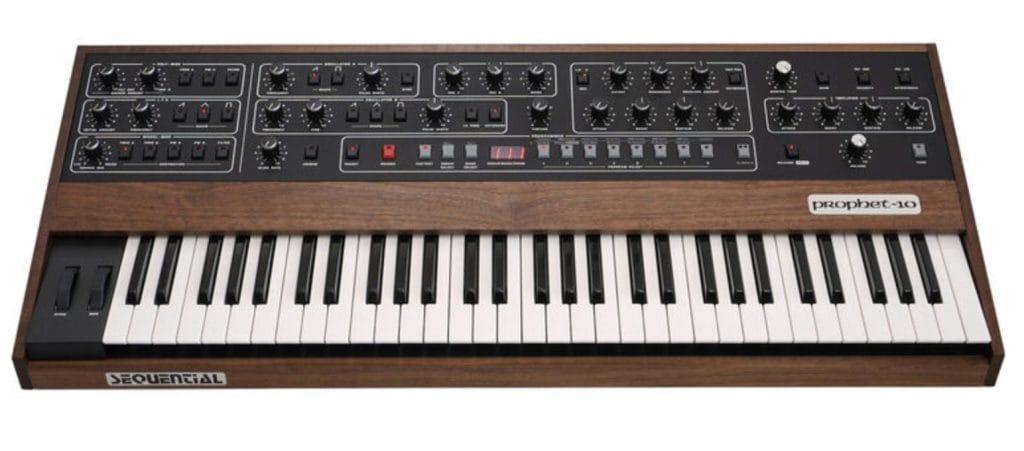
For this track I leaned on a mix of hardware and software, mainly the Prophet-5 and Serum (and Serum2). The Prophet-5 gave me the warm, drifty, slightly unpredictable character I wanted in the leads. Serum has been basically my default tool for building so many different sounds across the track i.e. basses, pads, leads, etc. Between the two, I could shape the tunes energy without getting lost in the endless rabbit hole of options; although I still managed to spend a heroic amount of time frame-f*ing the mix.
I used the Prophet mainly for its character on the lead-plucks, and Serum ended up doing most of the heavy lifting throughout the sounds of the song. For the leads I started with a few saw wave pluck sounds I’ve built over time, added some gentle pitch drift to inject a bit of analog TLC, and then pushed them through saturation, a touch of dynamic EQ to tame the resonance, and a parallel chain of reverb and delay. The almighty saw wave is probably one of the most utilized sounds in the space. I heard someone call it the power-chord of rock to dance music. Serum also handled nearly all the bass work, from the chunky rolling acid-adjacent patch to the wider, more tonal bass layers sitting underneath.
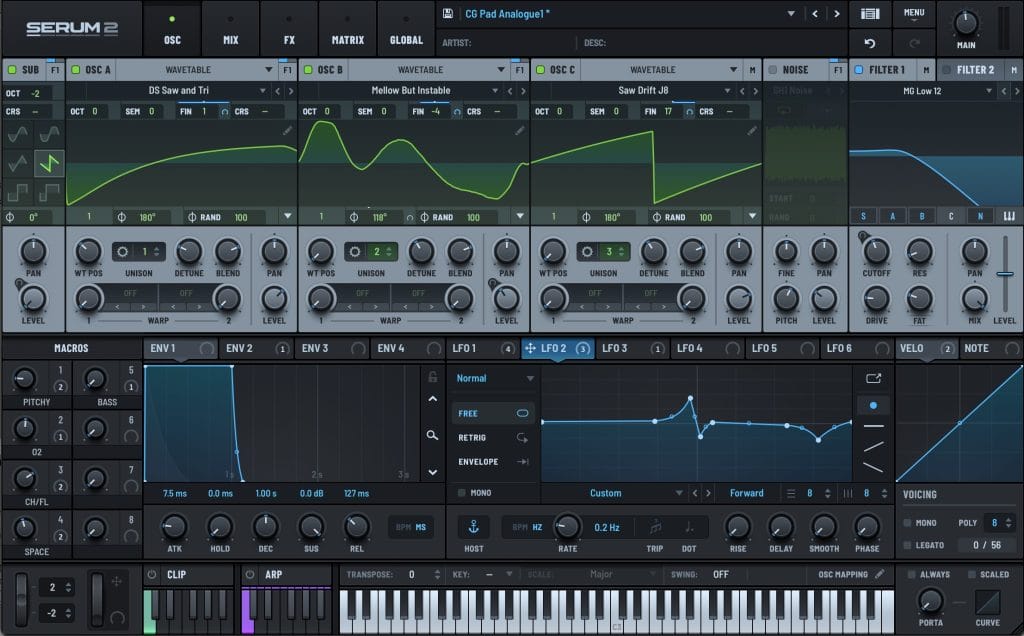
I’ll answer for Serum here, since it’s one of the GOATs that a lot of producers are using. For thos of us working in this lane, Serum is one of the most useful tools you can invest time into. It has so much power that the real challenge is avoiding the trap of sounding like everyone else, so build your own patches or tweak presets until they sound and feel like your own. Pay attention to unison and voicing; maybe you want a mono lead that sits tight in the center while detuned stereo layers add width and texture around it. Adding some randomness, saturation, and pitch drift can go a long way in giving the sound some analog-like life.
Vocal Processing Chain
I figured it would be useful to break down the vocals, since the vocals are a key component of the song. Good friends and talents, Behr and Taber, worked together on lyrics and vocals for this song and a bunch of others we have in the pipe. We used a Mojave MA-201 fet mic to record the vocals. Great mic for a warm, full-bodied sound without harshness and a tighter, more forward character in the recording.
Then I used some upwards and downwards compression (think OTT) to enhance and beef the vocals up a bit more without adding any boxiness in the mid-range. Some EQ to further shape the vocals and tighten up the low and high end of Taber’s voice with some compression. I wanted the vocals to be forward and present, so I kept a lot of attack and had very little release in the compressor. Also added some dynamic EQ to tame the resonant frequencies across the spectrum. Vocals can get harsh in the higher end so tools like dynamic EQ with plugins like Soothe2 are great. Then I added a bunch of interesting fx running parallel and sidechained to the vocals, like delay, reverb, some interesting distortion and chorus. For a lot of the music we’re doing as a trio, we want to focus on the vocals and songwriting, so I process the vocals with clarity and presence in mind, while also having dance-music fx, size, and magnitude layered underneath.
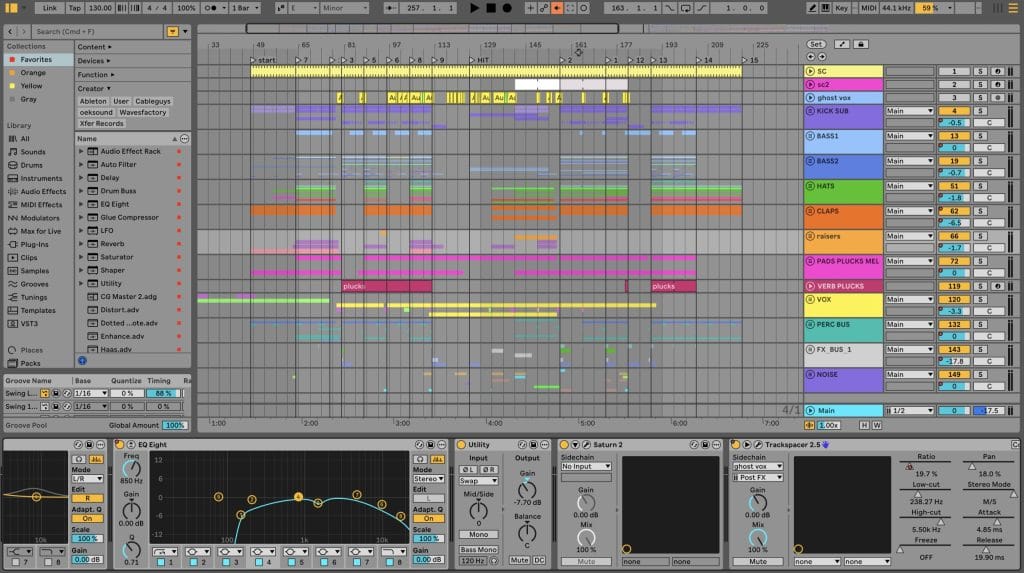
To help the vocals really sit well in the mix, which is imperative for electronic dance music, I used a combination of sidechaining and dynamic spacing of the other elements of the mix to the vocals.
It helps carve out room without over-EQing or gainstaging anything.
So Ableton’s stock sidechain in conjunction with other plugins like Trackspacer really helps separate the vocals from the other sounds in the mix. Vocals really span pretty far across the frequency spectrum, low end to high end, so there are a lot of elements in the track that would benefit from being spaced out and slightly separated from the vocals. The sidechaining that those plugins do helps the vocals stand out and sit upfront in the mix while also allowing for the other elements to shine and stick out when they are needed.
Chris Giuliano’s Hot Takes On The Scene
Hot Take #1
Lets push for more originality in a genre that can feel a little too rigid. Labels might play it safe, but the listeners are way more down for fresh ideas, which might make the labels catch up. Chicken or egg kinda thing.
Hot Take #2
Push yourself to be more granular and creative with it; sometimes the best sound is the one you make yourself, or accidentally discover. Less sample drag-and-drop is more.
Hot Take #3
Artists should focus on creating a signature sound instead of chasing trends. The details that make your music unmistakably yours are what will actually stick with listeners… I hope.
Hot Take #4
It’s the ear, not the gear.