How It Was Made: D1RT TH13F – Hold On
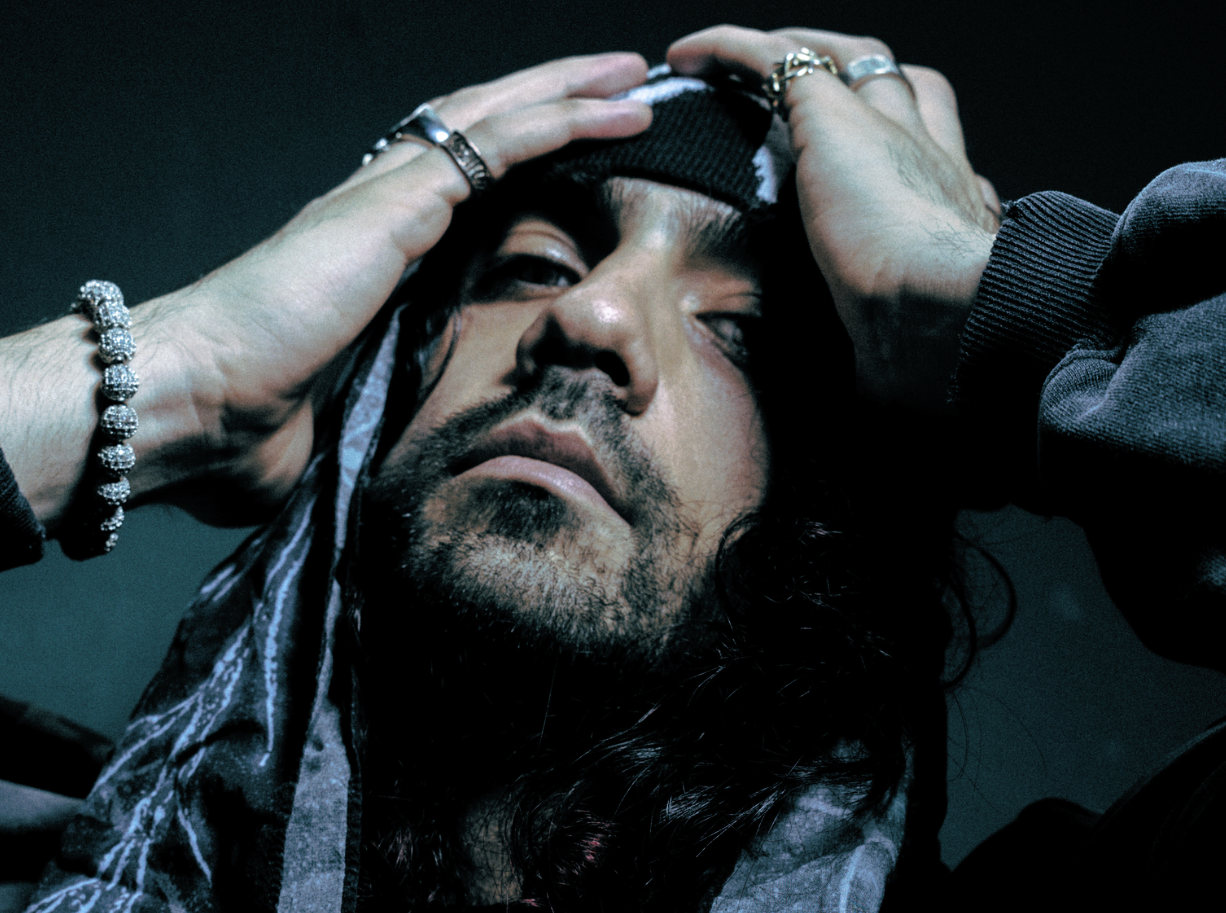
D1RT TH13F is a new electronic project from the Belfast-born, Mexico City-based artist Nico Allard, following more than two decades making records across indie rock, folk, pop and soundtrack work. Drawing on influences spanning West African music, Latin rhythms, post-punk and ambient music, Allard approaches house from the perspective of a songwriter and instrumentalist rather than a genre purist.
That background comes through clearly on new single Hold On. Sparse percussion and understated melodic details give the track a spacious, hypnotic quality, while its bass provides the physical weight underneath. The result sits comfortably in deep house territory while retaining the cinematic atmosphere and songwriting instincts at the heart of D1RT TH13F. With the single out now, we go on a deep dive on the production behind this D1RT TH13F jam.
The Session: Ableton and LUNA
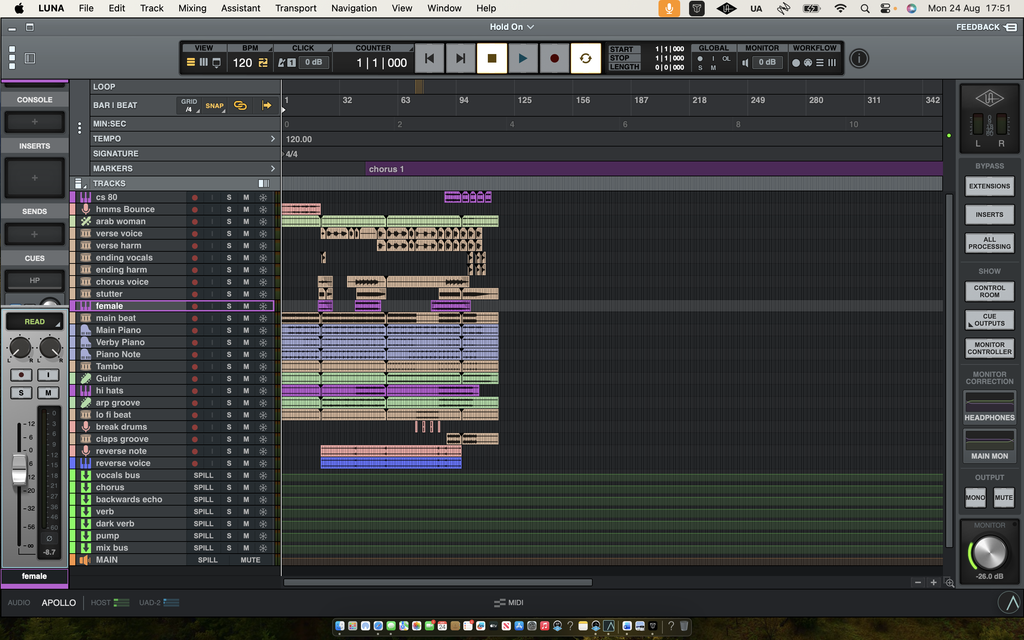
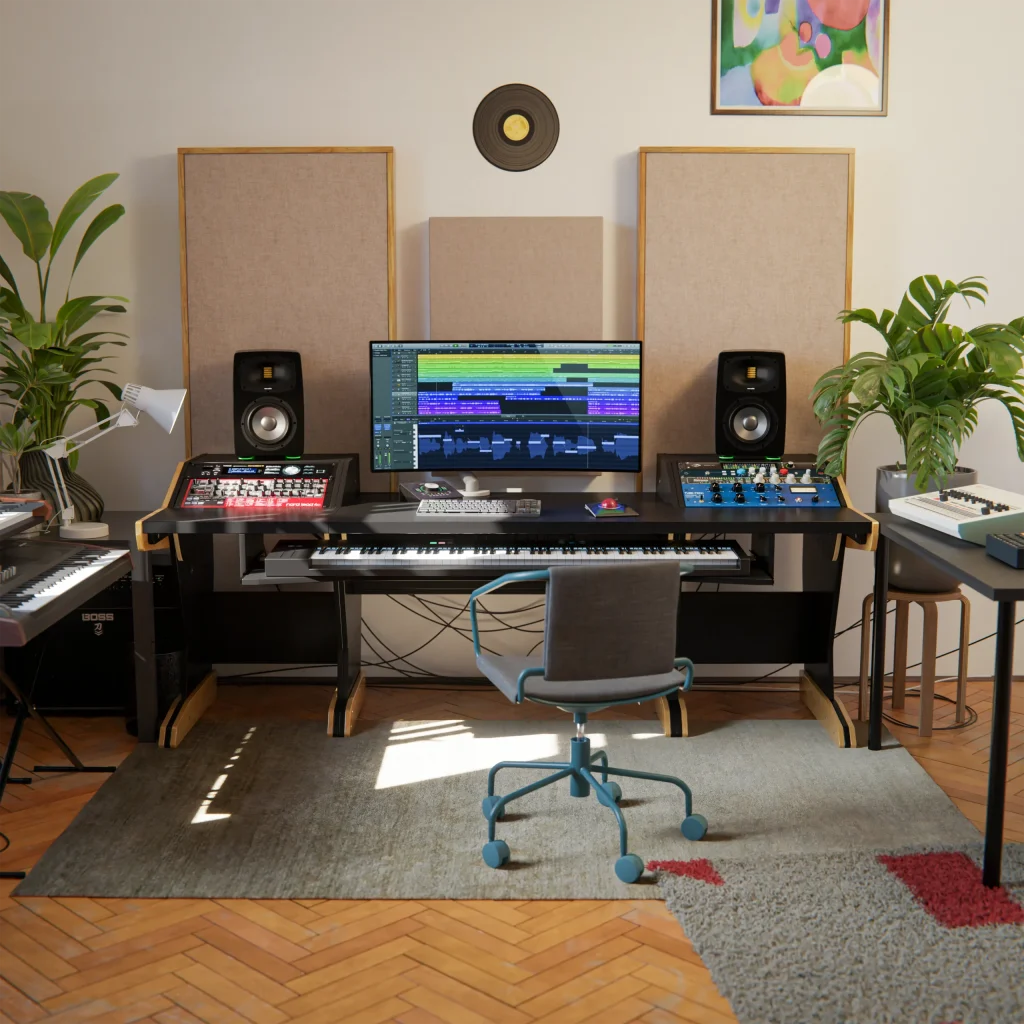
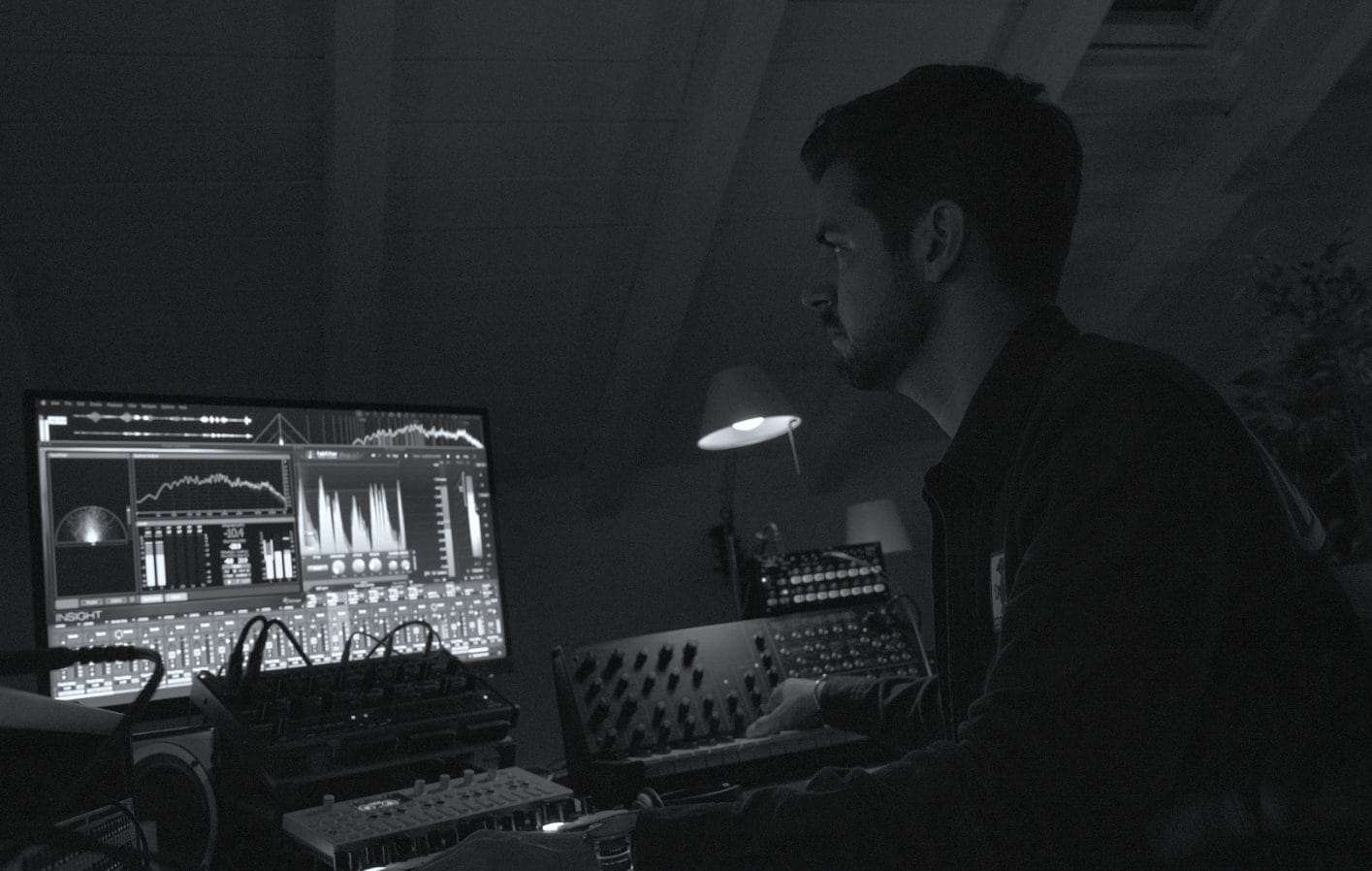
Allard began the demo in Ableton, utilizing its strengths for chopping loops and constructing a rhythmic framework. Once the groove was established, he transitioned into LUNA to handle melodic elements and human performances. This hybrid workflow allows him to leverage Ableton’s speed for percussion while utilizing LUNA for piano, vocals, and guitars, reflecting his background in the analogue tape world where committing to sounds is a priority.
The Piano and Synth Textures
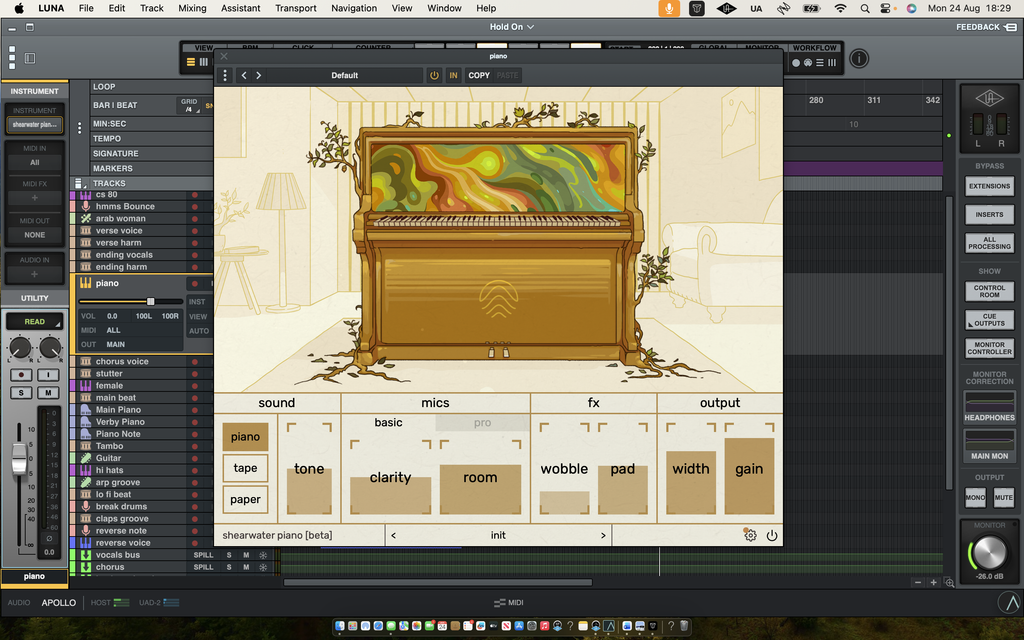
The piano serves as the harmonic anchor of the track, sourced from an obscure beta plugin that offered a unique, slightly imperfect tone. Allard emphasizes that synth parts, including the Arturia CS-80 V, were used primarily for color and movement rather than replacing the piano’s role. He prefers to hold back complex synth patches until they serve a specific purpose in the arrangement, ensuring the track maintains a sense of progression.
Mixing Techniques and Processing
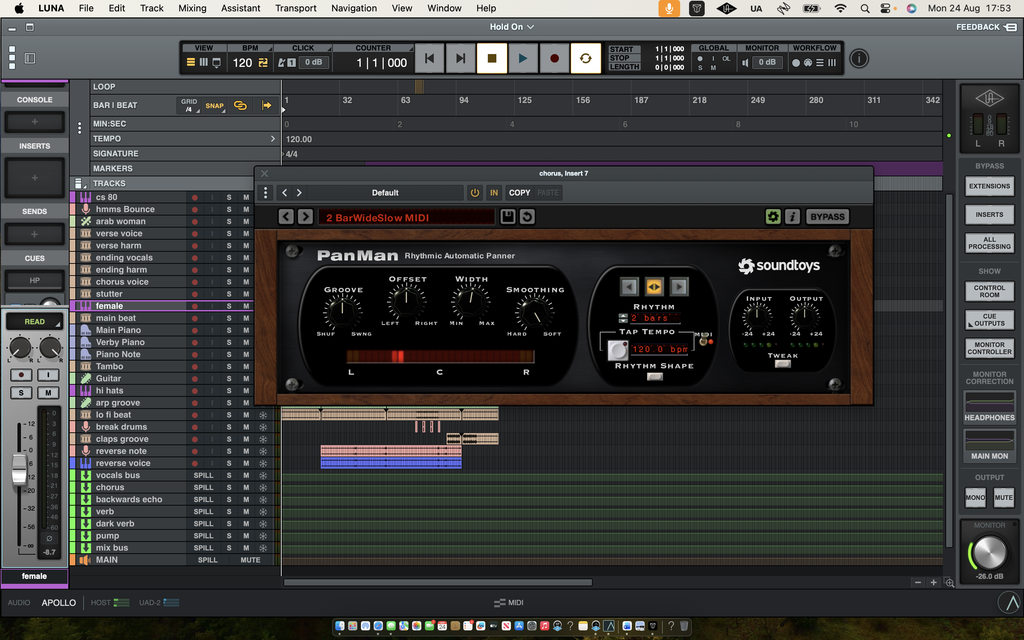
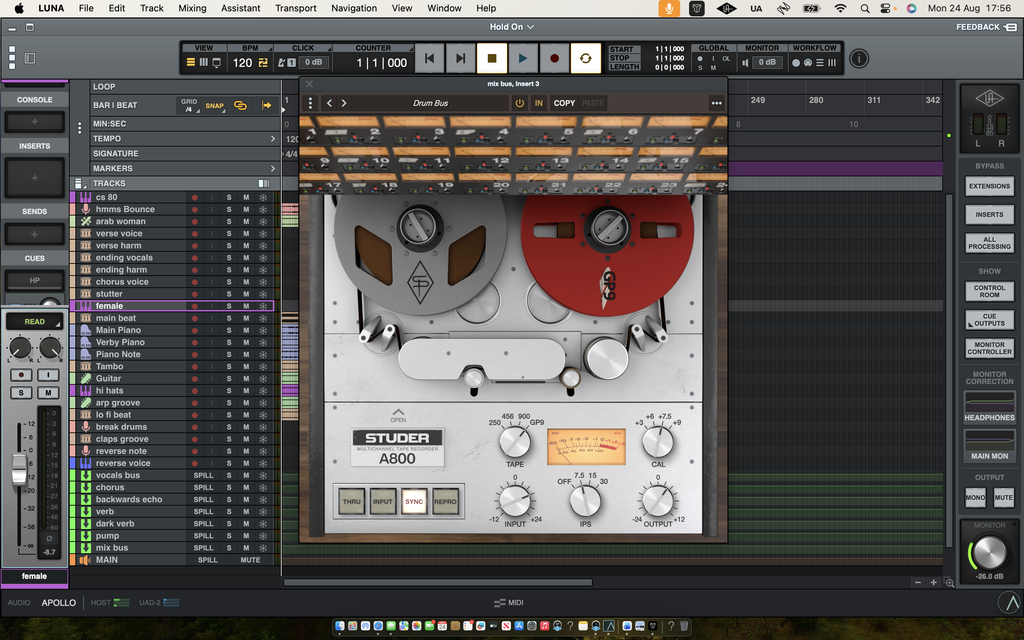
To create width without adding unnecessary instrumentation, Allard utilized Soundtoys PanMan for slow, rhythmic stereo movement. He also leaned on his experience with analogue hardware, using the UAD Studer A800 on the drum bus to provide subtle saturation and cohesion. Similarly, the UAD Lexicon 224 and ValhallaRoom were used to create distinct layers of space, rather than relying on a single reverb for the entire mix.
For the vocals, an API chain was employed to unify different elements, while Soundtoys Sie-Q was used creatively to filter and thin out specific vocal parts, allowing the full-frequency sections to stand out more effectively. The final mix benefited from Neve Summing in LUNA, which added a cumulative sense of character to the digital sources, avoiding a sterile, overly pristine sound.
Hold On is out now.