
How It Was Made: ERAN, GrooveGeneration, and Terri B! Craft ‘Say My Name’
“Say My Name” brings together three artists coming at house music from different directions. ERAN has spent the past few years moving beyond the Afro-centric material associated with some of his earlier releases and deeper into melodic, tech and classic house territory, while Budapest duo GrooveGeneration bring a funkier approach rooted in disco, chunky basslines and the club records of the 2000s. Terri B! completes the record with the vocal at its center.
Released October 2 via Vibora Music, the track draws inspiration from the classic “Feel So Good,” especially the immediacy of its vocal. GrooveGeneration wanted to capture some of that feeling without turning the production into a throwback, instead building around melodic and disco-house ideas with an emphasis on movement, warmth and a vocal that could carry much of the record’s identity.
That relatively focused approach carries over into the production itself. Serum handles the basslines and leads, with automation keeping those parts developing across the arrangement, while UAD’s SSL 4000 E Channel Strip controls the vocals and lead elements without excessive processing. Below, GrooveGeneration explains how “Say My Name” was made.
Serum
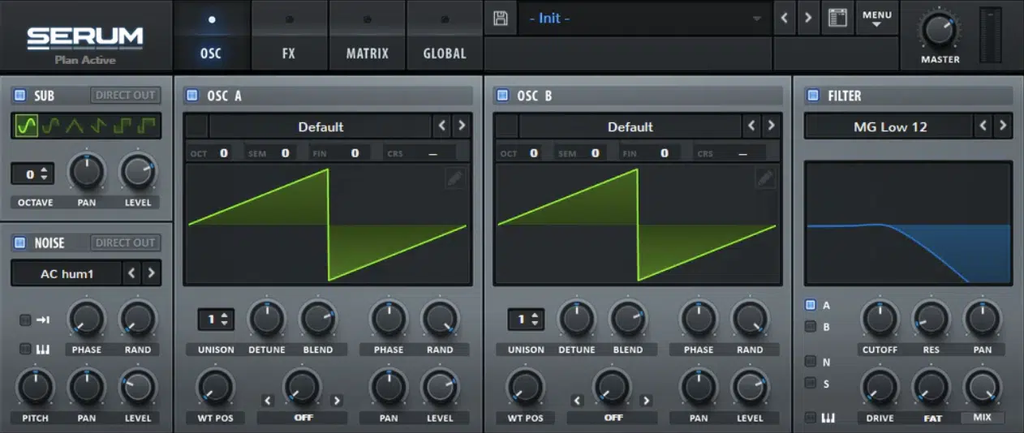
Serum was the primary synth for the track. Its versatility allows for the creation of complex basslines and leads, while the modulation and built-in effects make it easy to introduce movement into a sound. The production team played extensively with automation and effects like reverb and delay to keep the sounds evolving, giving the synths a new character throughout the arrangement.
The biggest tip for using Serum is to experiment and automate more than you think you need. A simple sound can become much more interesting just by moving a few knobs over time.
SSL 4000 E Channel Strip by UAD
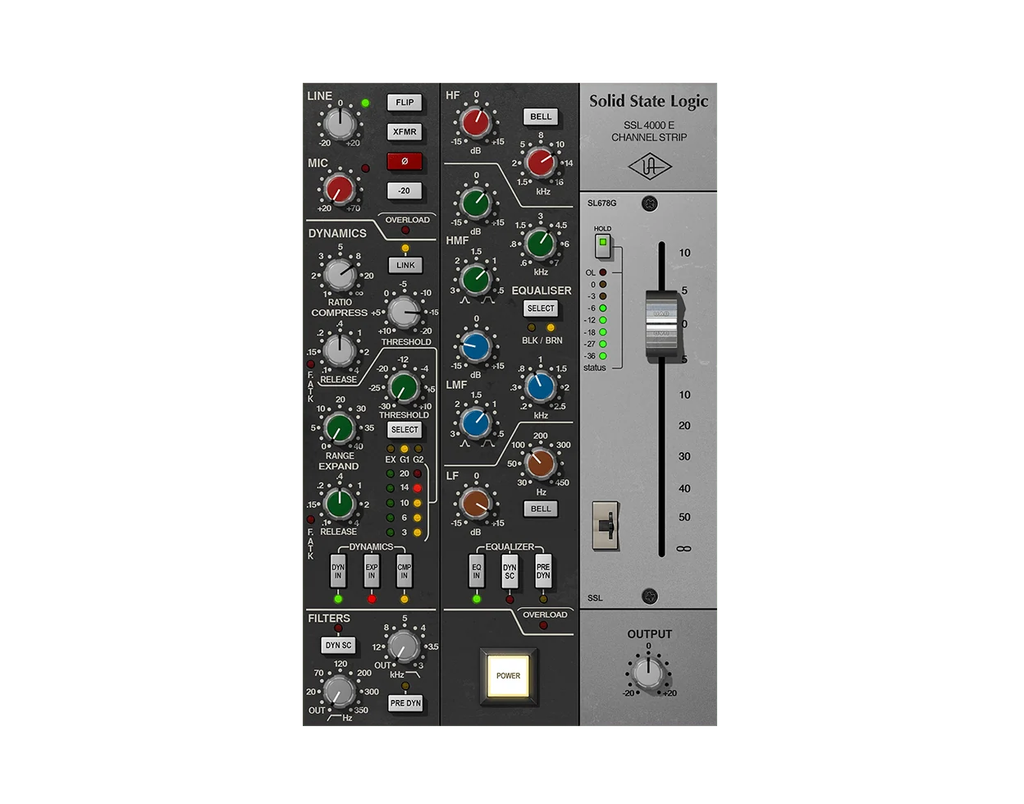
The SSL 4000 E Channel Strip by UAD served as an all-in-one tool for shaping and tightening the sound, providing EQ, compression, and filtering with a classic character. It was used primarily on the vocals and leads to keep them clean, controlled, and present while maintaining their natural texture. The processing remained simple, focusing on small adjustments to help elements sit better in the mix.
For melodic and disco house, the recommendation is to start with small adjustments and listen closely to what the sound needs. Heavy processing is not always necessary; sometimes a little EQ and compression is enough to make an element pop.
Quick Fire Tips
To wrap up, here are a few essential tips for your production workflow:
- Use lots of automation: Keep playing with the knobs and let your sounds evolve.
- Focus on the small details: Tiny changes can make a huge difference in the final track.
- Give the track time to develop: Don’t rush it—let the groove and arrangement breathe.
- Build around the vocal: A strong, memorable vocal can give the whole track its identity.
- Keep experimenting: If something feels too static, try moving a parameter or adding a little effect automation.