How It Was Made: JOKESONYOU and DJ IP’s ‘OTTF’
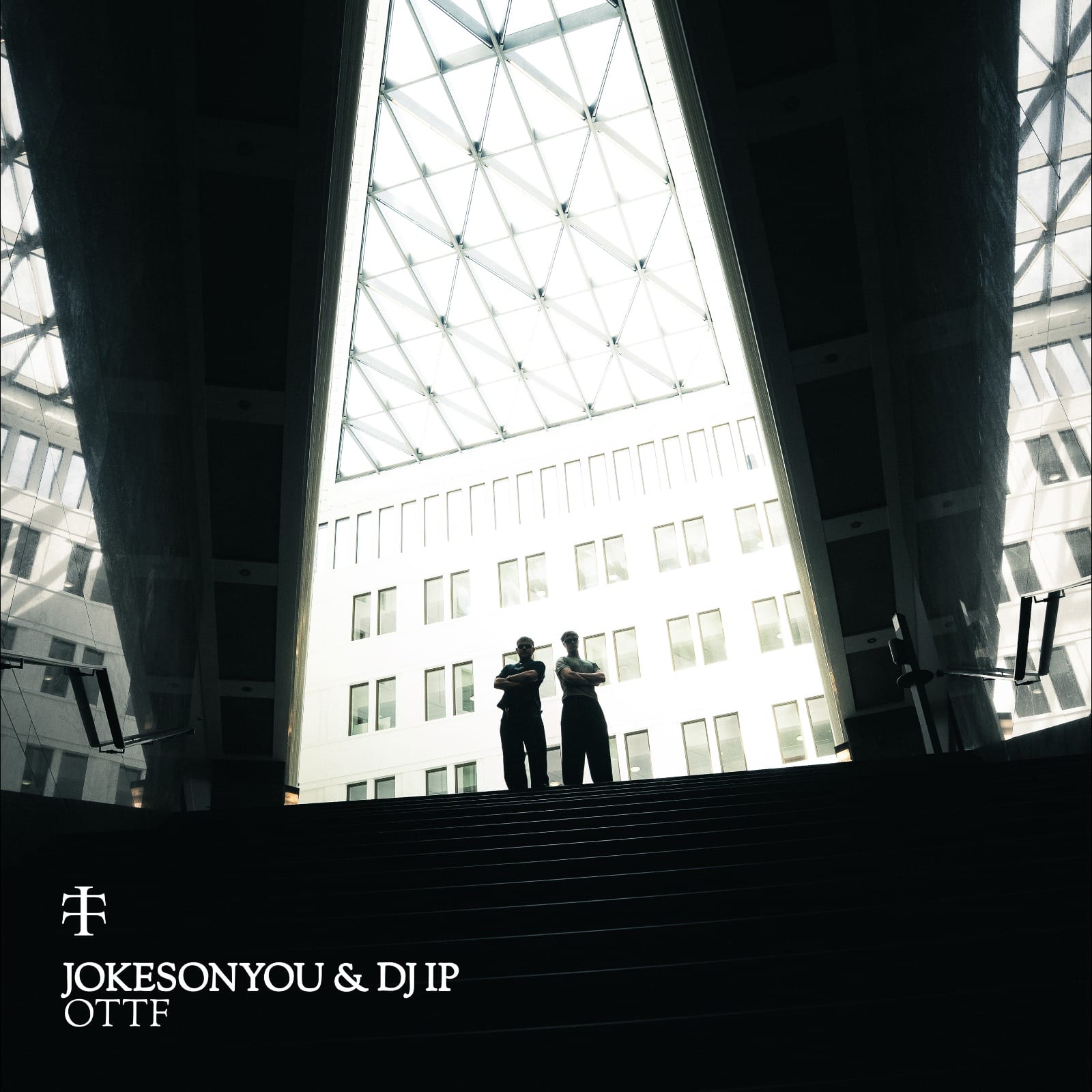
Australia’s JOKESONYOU and Dutch artist DJ IP have teamed up for their brand-new single ‘OTTF’, released this August on Teletech. The track serves as a heartfelt tribute to the emotion and energy of classic hardstyle. Inspired by the iconic sound of the mid-2000s, it masterfully combines euphoric melodies, driving kicks, and bounce influences while maintaining the raw spirit that defined the era. This collaboration marks a bold departure for both producers, as neither is traditionally associated with the harder sounds of this track; DJ IP is primarily known for trance, while JOKESONYOU is recognized for his bouncier techno-house crossover style.
The project was born during a writers’ camp in Belgium, where the duo collaborated with various songwriters and vocalists. During this period, they observed a resurgence of classic hardstyle records, such as Showtek’s ‘FTS’, in modern DJ sets and festival stages. Driven by this renewed appreciation for the genre, they set out to capture that same raw energy and attitude through a fresh, modern production lens.
Crafting the Signature Sound
The main lead is constructed from four distinct layers: two from Reveal Sound Spire and two from Serum. By utilizing different octaves and frequency ranges, the producers achieved the thick, full-bodied sound essential for a classic hardstyle lead. The duo experimented with various presets, applying subtle tweaks and layering them across octaves to build depth.
For the low end, they opted to synthesize their own reverse bass in Serum, which provided a perfect foundation for the track’s stompy kick. The production process relied heavily on layering, starting with a solid kick and snare foundation before building out the arrangement with rhythmic fills and expansive leads.
Distortion and Texture
Distortion plays a pivotal role in achieving the aggressive character of hardstyle. The duo utilized Soundtoys Decapitator on both the drums and bass to add grit. For the vocals, they employed Ableton’s Overdrive paired with OTT compression. The team emphasized that complex plugins are not always necessary; often, experimenting with drive and mix settings on stock DAW tools is sufficient to achieve the desired intensity.
Dynamic Fills and Final Tips
To create the characteristic hardstyle fills, the producers used a combination of hardstyle kicks and reverse bass samples, shaped by Ableton’s Auto Filter. By automating the high-pass filter and resonance, they created the tonal sweeps that define the genre’s build-ups. Their advice for aspiring producers is to study the tracks that inspire them, experiment with similar samples, and avoid overthinking the process—if it sounds good, it works.
- Layer your leads: Combine different synths and textures to achieve a massive sound.
- Distortion is key: Use stock distortion to add grit to your drums and bass.
- Build your own bass: Creating custom reverse bass in synths like Serum offers more control than relying on samples.
- Automate filters: Use high-pass filters with high resonance for classic tonal fills.
Grab your copy here.