How It Was Made: Jon Who’s ‘Glass Houses’ Vocal House Masterclass
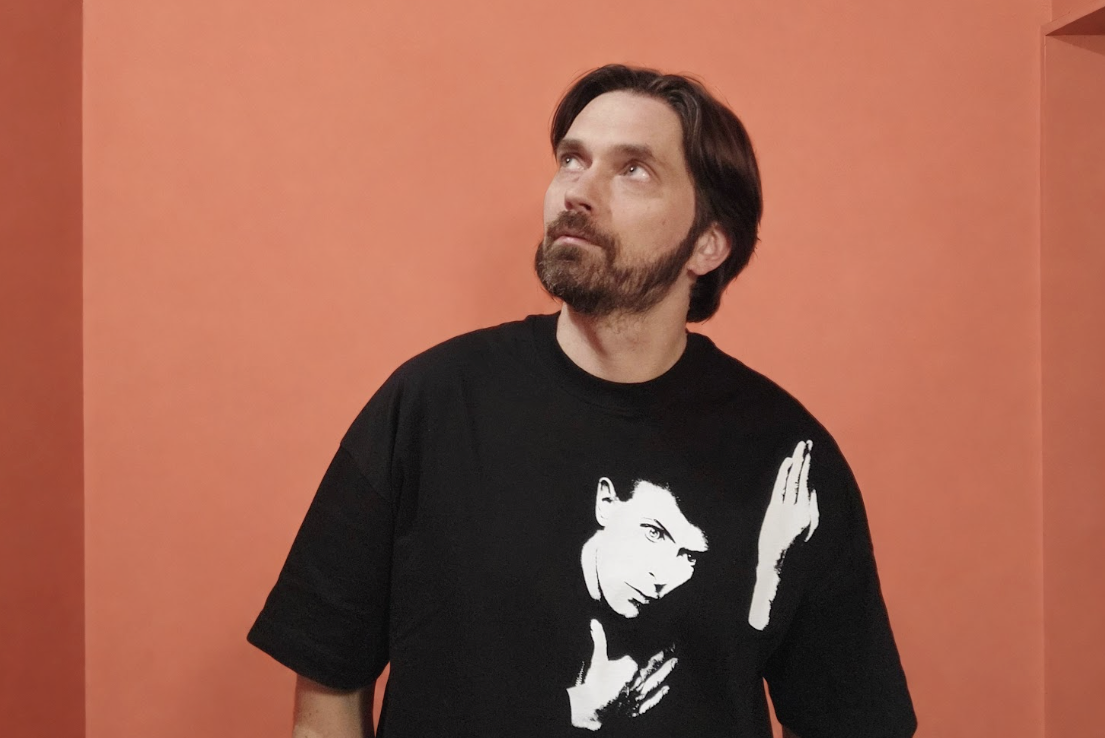
Vocal house has always relied on a straightforward mix of memorable songwriting, a strong groove, and a vocalist who can bring personality to the record. Zurich-based producer Jon Who has explored that relationship throughout his career, drawing on a background in classical piano, orchestral composition, and architecture to shape his approach to electronic music. His latest single, “Glass Houses,” released October 16, 2026, through Groove People Records, brings him together with George Anthony for a soulful house record built around classic piano chords, a grooving bassline, and a vocal performance that gives the production much of its character.
Jon Who has spent years developing his sound through performances at major venues like the Ministry of Sound. His collaborator, George Anthony, brings over 25 years of international performance experience, including work with gospel ensembles. This synergy is vital for a track like “Glass Houses,” where the vocal takes center stage against a backdrop of classic house and disco traditions.
Production Techniques and Plugin Workflow
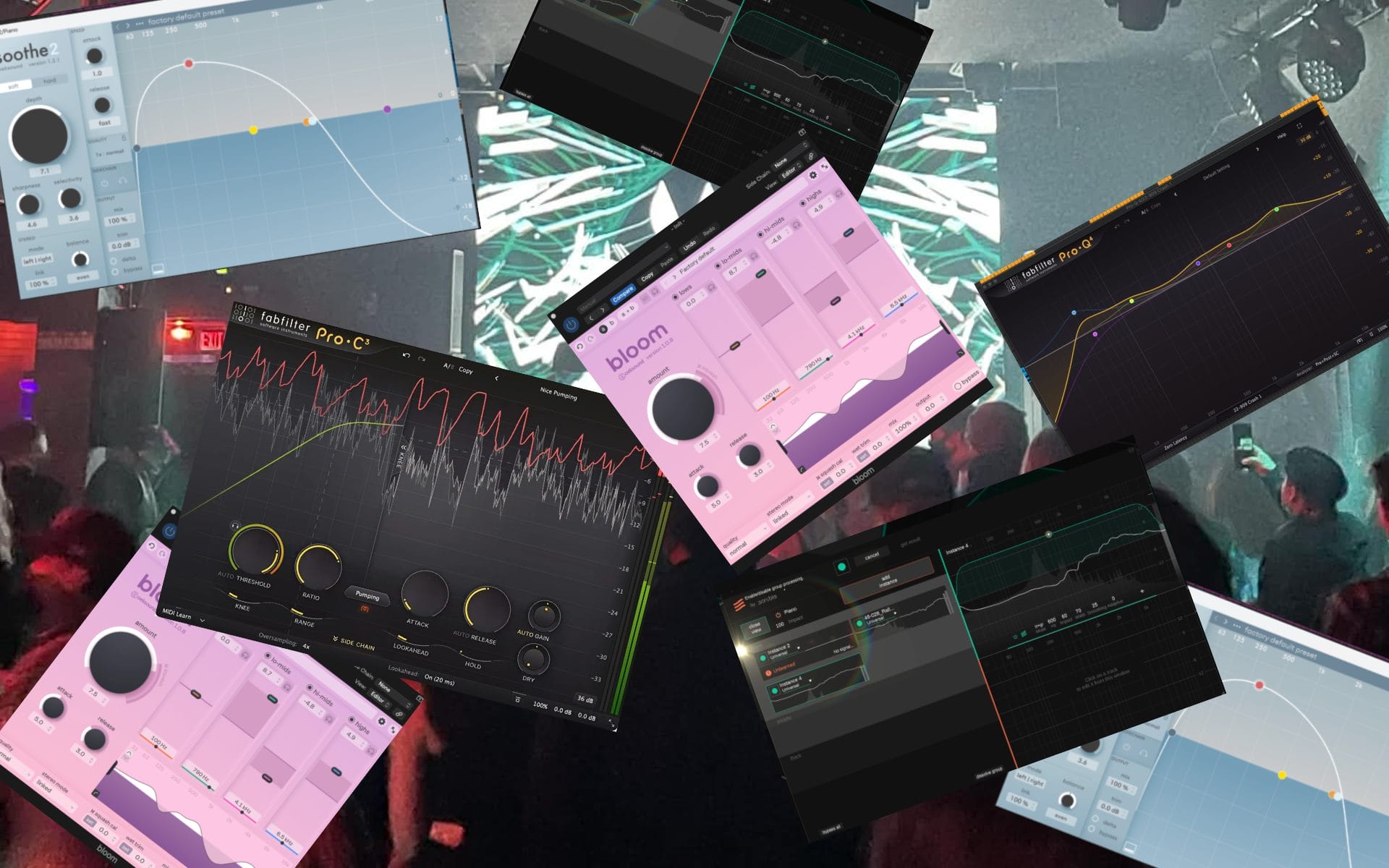
Jon Who’s approach emphasizes the relationships between individual elements. He utilizes sidechain processing to create movement, allowing the piano to interact dynamically with synths and pads. Below, he details how specific plugins helped shape the track.
Serum 2
For the string stabs, Jon used Serum 2 with a string preset from Splice. He tweaked the envelope, raising the hold to 151 ms to mimic a natural staccato section, and automated EQ and stereo width to add presence. He notes that layering is key: “The strings in ‘Glass Houses’ are chords on two octaves, with the upper notes having a lower velocity to ensure they are felt rather than overpowering.”
ValhallaDelay
Jon created a dedicated return track for vocal delays using ValhallaDelay. By automating the gain and feedback, he ensured the delay remained steady on the main vocals while acting as a riser for secondary vocal layers. He advises that in classic-flavored vocal house, delay should be used sparingly to maintain contrast.
ShaperBox
ShaperBox is central to Jon’s workflow for creating “pulsating movement.” He applied two instances to his synth and pad buses—one sidechained to the kick and one to the piano—to establish a hierarchy of ducking. This technique, he explains, is essential for giving dance music an “alive” feeling.
Endless Smile
To add tension to his buildups, Jon utilized Endless Smile on his FX, synth, and keys buses. He suggests using the “Fist in the air” preset and automating the intensity, noting that the plugin is a powerful tool for managing energy without the need for complex manual automation.
Quick Fire Tips For Making Vocal House
- Create a groove: Start with a solid, driving bassline.
- Find a human voice: Prioritize authentic vocal talent over AI.
- Keep it simple: Avoid unnecessary complexity; let the song breathe.
- Seek feedback: Consult both industry professionals and casual listeners.
- Tell a story: Approach the arrangement like a pop song before adapting it for the dancefloor.