How SEBS Learned to Let the Room Lead the Set
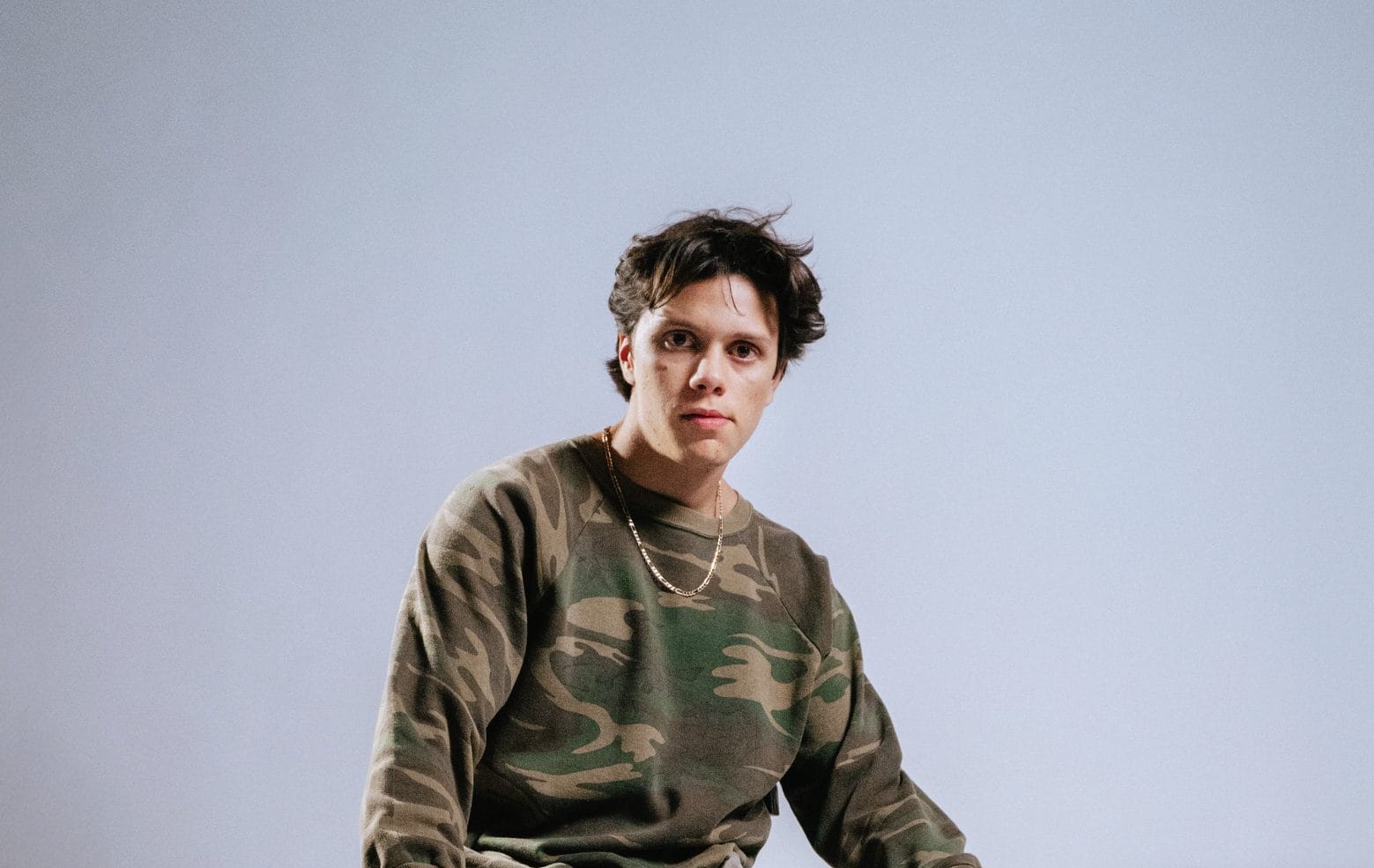
SEBS and Sohail close out 2025 on MoodCollective with Nah, a club-ready single that marks their debut on the MOOD sublabel and caps off the label’s year. Released on December 12, the track leans into a direct, high-energy framework built for peak moments, pairing a rolling groove with a rap vocal that locks quickly into the room.
For SEBS, Nah represents a turning point in confidence and execution. The record came together fast and began circulating almost immediately, reinforcing an approach rooted in instinct rather than over-calculation. That same mindset carries into his DJ sets, where attention stays fixed on the crowd rather than the mechanics of the booth.
Ahead of the release, SEBS reflects on how repetition, trust in track selection, and real-world pressure shaped the way he performs today, from navigating technical problems to knowing when to let a set breathe and move on its own.
Interview With SEBS
Do you remember the first time mixing started to feel automatic for you?
Yeah. It was when I stopped thinking about the decks and started paying attention to the room, having fun, and just letting my music do the talking. It also came down to knowing the right time to mix out of a track.
How much of your best mixing happens consciously versus unconsciously?
Almost all of it is unconscious. I usually have two or three tracks in mind for the opening and pick one based on the vibe of the crowd. After that, everything is unplanned and happens in the moment based on what I think the crowd needs.
When you are under pressure, what do you lean on first?
Track selection, body language, and tequila. Even if the booth or monitors are not great, I trust the music I am playing. Strong tracks can carry a set through anything. Good body language matters because the crowd feeds off your energy. And a shot before the set helps with the nerves.
How did you build trust in your instincts?
Repetition, hours in the studio, seeing real crowd reactions, and getting support from other artists all helped reinforce that confidence and trust in myself and my music.
Do you practice to keep that intuitive control?
If putting hours into the studio counts as practice, then yes. It gives me confidence in my ear, and I know what to play and when to play it. Outside of that, I don’t really practice. It all happens naturally for me.
Can you share a moment where instinct saved a set?
When I played Seismic Dance Event in Austin, one of my IDs exported wrong. I looped it, loaded another track, used the drums to build tension, and worked into the next drop. The crowd didn’t notice at all, and the party kept going.