Madame Gandhi on Healing, Nature, and the Power of Oneness
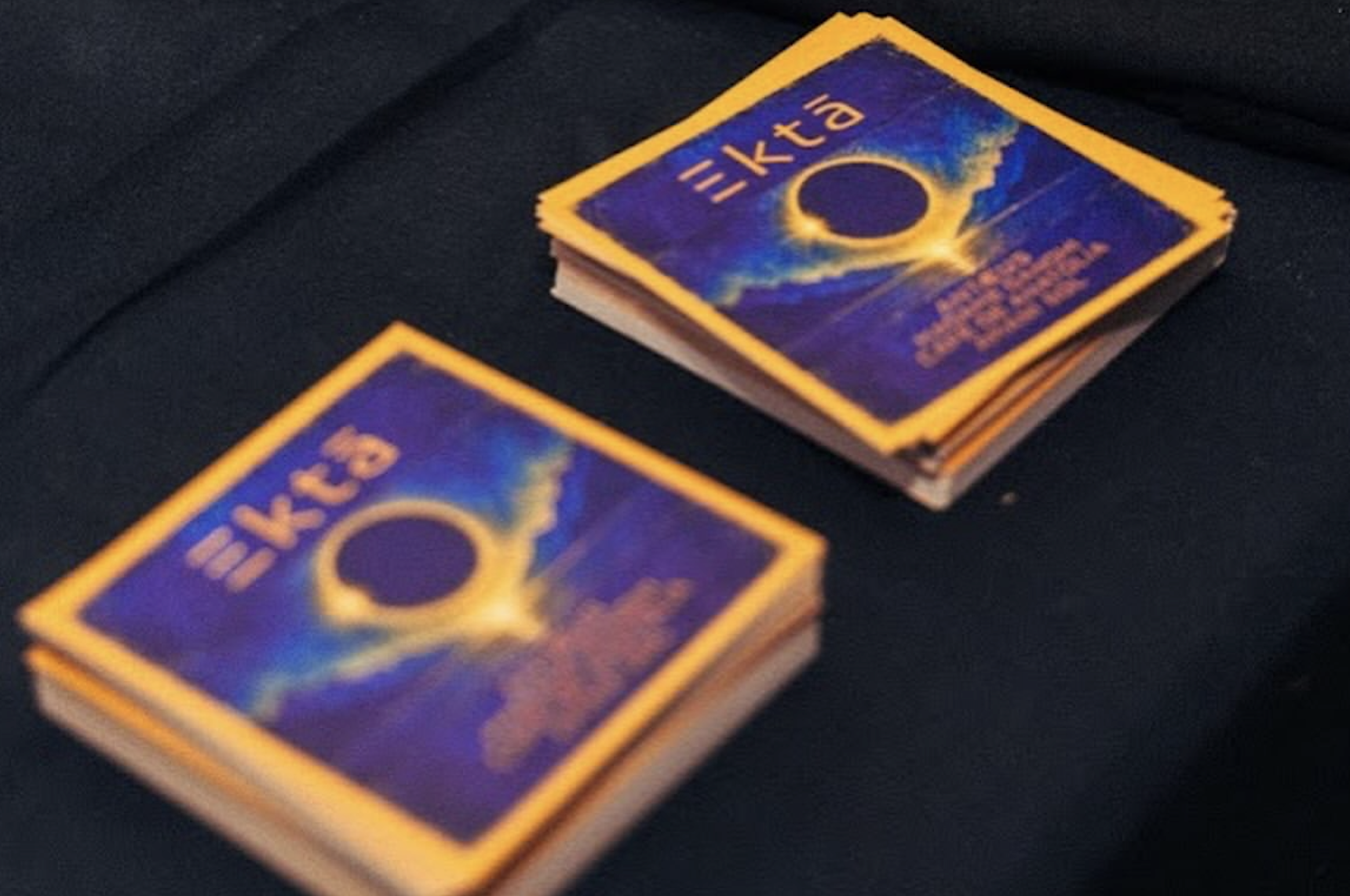
Unity is often flattened into a mere slogan, particularly within the music industry, where concepts like oneness can drift toward soft-focus spirituality before ever addressing the complex, often difficult work of human connection. For artist and activist Madame Gandhi, her latest record, Ektā, provides a more grounded framework. Rather than suggesting a simple agreement, the album functions as a sonic exploration of what it means to return to the body and ask what community can look like once the nervous system has stopped bracing against the world.
The album arrives at a pivotal moment for the artist, following a period where she had to rebuild her sense of connection from the inside out. After years of dedicated community work in Los Angeles—ranging from teaching beat-making in the prison system to donating menstrual care products on Skid Row—the isolation of the pandemic forced a shift. Madame Gandhi found herself gravitating toward nature, yoga, meditation, and the slower, deliberate work of healing before attempting to gather people once again.
The Ritual of Sound
For Madame Gandhi, the production of Ektā—crafted alongside collaborators Antaeus, Cafe De Anatolia, and amani sol—is less about traditional song structure and more about ritual. The record is built from breath, drums, field recordings, and live, one-take contributions. Her intention is to create a space where the listener can pause, dance, cry, and ultimately return inward. By prioritizing live, unpolished takes, she captures an authentic “audio timestamp” of emotion, ensuring the music remains a living, breathing entity rather than a sterile, over-designed product.
Activism After Burnout
The artist’s approach to activism has evolved significantly. Having spent the first half of her career focused on women’s empowerment, she has expanded her scope to include the planet itself. By incorporating field recordings of nature and partnering with EarthPercent to donate streaming royalties to conservation, she treats the environment as both a subject and a collaborator. This shift reflects her broader philosophy: that true unity is not about smoothing over differences, but about regulating the self so that one can give from a place of overflow rather than depletion.
Ultimately, Ektā serves as a testament to the idea that the next layer of public action may begin in the quietest of spaces. By focusing on inner peace and personal healing, Madame Gandhi offers a blueprint for how we might reconnect with our communities on an ordinary Tuesday, grounded in the belief that when we are not fragmented within, we are far better equipped to foster harmony in the world around us.