Tommy Torres Breaks Down His Studio Philosophy With KRK Monitors
For Tommy Torres, music has always been guided by instinct as much as technique. Raised in Puerto Rico and trained by ear before entering Berklee College of Music, Torres developed a working method that blends emotional sensitivity with technical discipline. His career has spanned engineering, producing, and songwriting, shaped early on by time spent at Sony Studios in New York, where he observed sessions ranging from Nirvana’s MTV Unplugged to recordings by Michael Jackson and Mariah Carey.
Those experiences helped define Torres’ studio mindset.
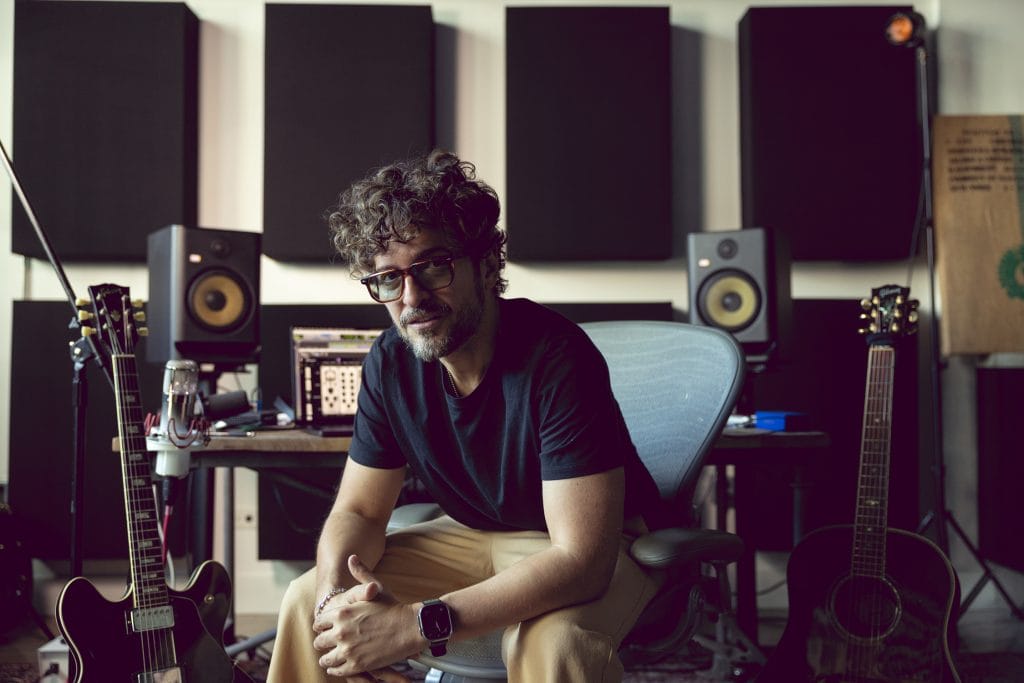
Rather than separating the technical and creative sides of production, he treats them as part of the same process. His Miami studio reflects that approach. Designed to feel like a living space while remaining acoustically controlled, the room includes instruments within reach and a layout that encourages writing and arranging alongside mixing.
At the center of that workflow is his monitoring system, built around KRK ROKIT 8 Generation Five Studio Monitors. Torres describes his relationship with monitors as a matter of trust. He prefers speakers that reveal problems rather than disguise them, especially in the midrange where vocal and melodic detail lives. For him, accurate monitoring allows decisions to translate beyond the studio without second guessing.
Torres first encountered KRK products decades ago while working with Bob Clearmountain and has continued using the brand across different phases of his career. He began working with the ROKIT line during sessions for El Playlist de Anoche, which he co-produced with Bad Bunny, and has since incorporated newer generations into his main setup. Whether shaping sparse acoustic arrangements or layered pop productions, Torres relies on consistent reference points rather than switching systems for different styles.
A Workflow Designed for Longevity
Beyond speakers, Torres also uses KRK headphones as part of his daily process, particularly when working in smaller rooms or mobile environments. He views them as an extension of his monitoring chain rather than a replacement, using them to confirm balances and textures when speakers are not practical.
Comfort plays a key role in those choices. Torres spends long hours working and places value on tools that reduce fatigue while maintaining clarity. He approaches monitoring not as a way to impress clients but as a means of preserving his hearing and judgment over time. For him, longevity matters as much as output.
That perspective reflects his broader approach to production. When working with artists, Torres focuses on translating identity rather than imposing a signature sound. He imagines how songs will function in live performance and how listeners will connect to them emotionally. Technical precision serves that purpose rather than leading it.
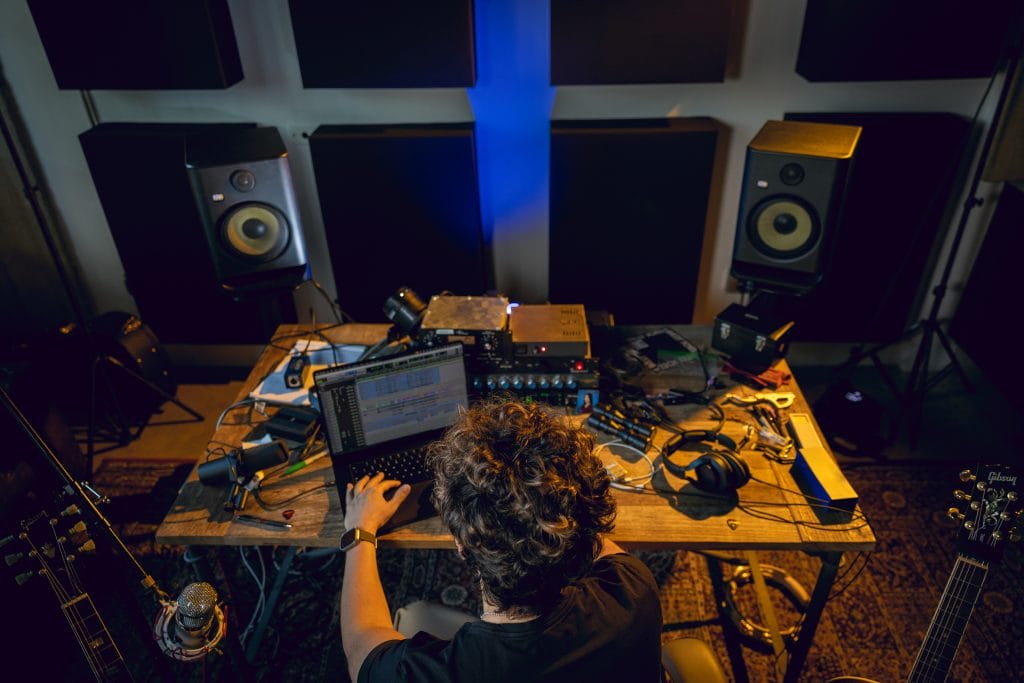
From his early days in Puerto Rico to formal training at Berklee and professional development in New York studios, Torres’ path has been shaped by curiosity and adaptation. Today, his Miami workspace continues that pattern, combining familiarity with control and comfort with accuracy.
By pairing midrange-focused monitoring with a studio designed to feel personal rather than clinical, Torres maintains a creative environment that supports long-term work rather than short-term results. His relationship with KRK reflects that balance. Instead of chasing novelty, he builds around consistency, allowing sound decisions to come from experience rather than guesswork.
For Torres, the tools matter because they allow him to focus on what drew him to music in the first place. The goal is not perfection in isolation but translation across systems and audiences. In that sense, his studio is less about equipment and more about sustaining a process that keeps creativity and discipline aligned.