Masque Trades Distortion For Dance Floor: Inside The Remix Of “The Pain, The Pain”
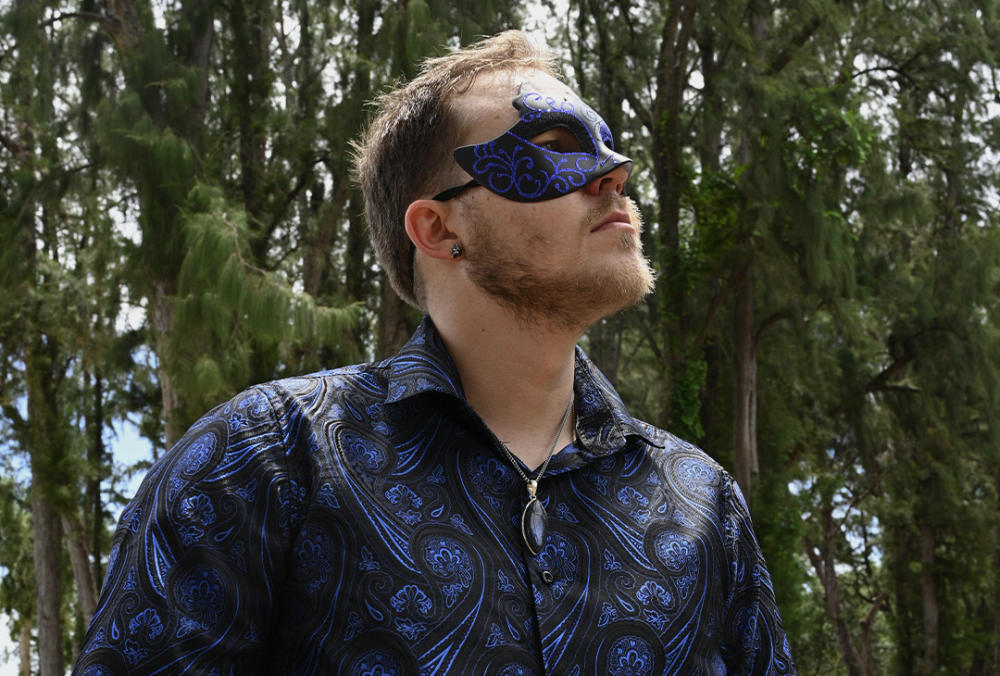
Masque isn’t just releasing a remix; he’s reintroducing a song. “The Pain, The Pain,” once a hard rock cry for help off his Midnight Invasion era, has been rebuilt from the ground up into a house anthem that trades guitars for grooves without losing an ounce of intensity. We caught up with Masque to talk about the timeline behind the transformation, what it meant to hand creative control to a DJ collaborator, and why the pain at the center of the song refuses to stay in one genre. From moodboards built on “dance, release, destruction” to his vision for performing both versions back-to-back live, here’s what he had to say.
Let’s start with “The Pain, The Pain (Remix).” How do you feel putting this version out into the world?
I feel relieved, as though I’ve had one foot inside and one foot outside. The rock side of the pain was expressed, and now the dance side of the pain has finally been released.
Take me back to the timeline. When did the idea of turning this into a house track first come up, and how long did it take to actually become real?
The idea of turning the track into a dance song was one I had a while ago, but didn’t execute because the original vision for the song was a hard rock song. It wasn’t until I decided I wanted to release the song as a single that I actually moved forward with the idea, and eventually landed on a house remix.
Tell me about the inspirations behind the remix. What was on the moodboard, sonically, when you started rebuilding this song?
If the original song is a high-energy cry for help, then the remix is a full transition into mania. Dance, release, destruction: these were moods I wanted to encapsulate in the remix.
The original “Pain, The Pain” is about being trapped in a loop, spinning, tearing free, getting pulled back in. Did that meaning shift for you once the song had a completely different body?
While many details of the meaning and experience changed, the core remains the same. It’s a switch from the physical to the ethereal, but it’s still very much about being trapped in the spiral of pain.
You’ve said Midnight Invasion was a confrontation with feelings that hit hardest at night. A club is also a nighttime space. Was that connection something you thought about, or something you’re only noticing now that it exists?
There is a bigger story there than I can encapsulate in one song, but yes, there’s a relationship between the dancefloor and the onset of the pain. This only lightly touches on the idea; the full story will have to wait for now.
How was collaborating with a DJ on this after building your sound mostly around rock and theatrical influences? How have your feelings about handing over control evolved doing this?
Sometimes you just have to give up control. Music is a collaborative medium, and while I had a very specific vision for the original, I still gave up some control on that in order to build a stronger song. This time, I didn’t have as specific a vision, and I’ve learned that the best option in a situation like that is trust.
What are some values from the original version of this song that you made sure carried over into the remix?
The intensity was an absolute must. No matter what form the song takes, I feel that it should hit the listener and pull them into a whirlwind.
How do you want this version to feel live, if you ever bring it into a set or a show?
If I ever perform this live, I would want to show both halves of the song: start with the original rock version, then halfway through switch into the dance version. I feel that would pull audiences further into the feelings I put into the song.
If you could go back and tell yourself, right before you handed this song off to be remixed, one thing, what would it be?
You’re good, fam.
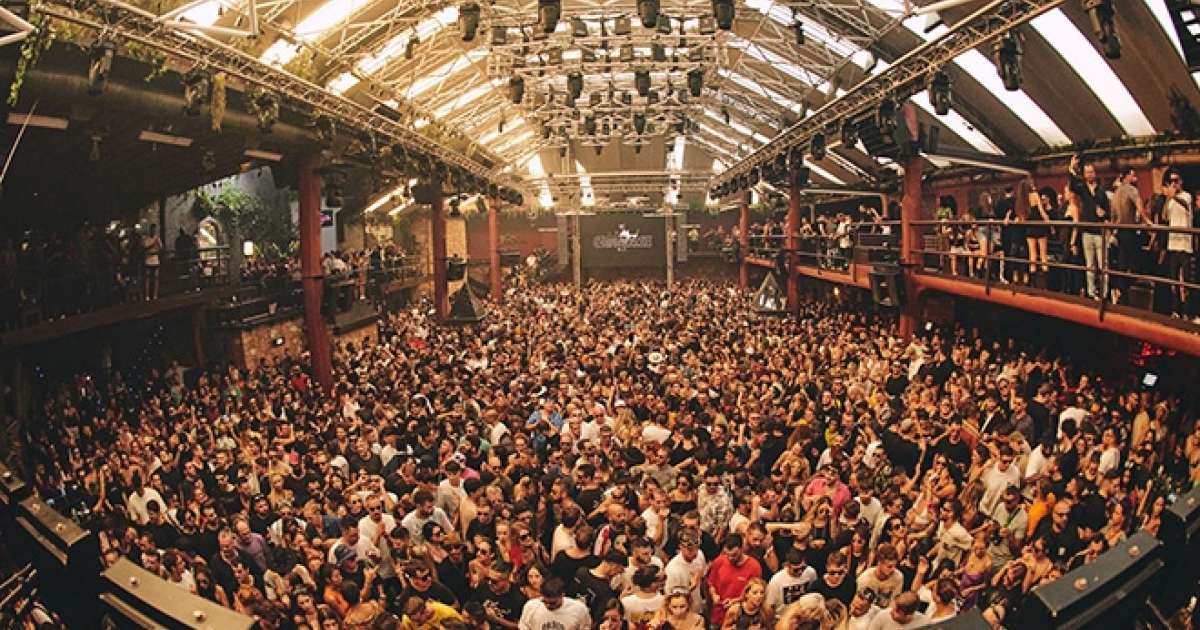
Last one: what do you want someone to feel in their body, not just hear, the first time this drops on a dance floor?
I want them to feel excitement as the energy hits them and they prepare to dance, and possibly a little overwhelmed by the sensation.