How It Was Made: Lang Father on the Jazz-Inflected Sound of ‘I (Junkyard Dog)’
Berlin-based composer and producer Lang Father has spent his career moving between hip hop, electronic music, and scoring, with past work stretching from Timbaland collaborations to film composition. His new two-track EP, I (Junkyard Dog), sees him turn that broad musical background towards a rawer, jazz-inflected strain of house, drawing on the looseness of J Dilla and the deep, off-centre sensibilities of Moodymann and Theo Parrish.
Released on WeLoFi, the title track is built from resampled synths, swung percussion, saxophone, vocal fragments, and layers of submerged texture. Lang Father recently sat down to discuss the intricate details of how this project came together.
Crafting the Wave Evolve Pad
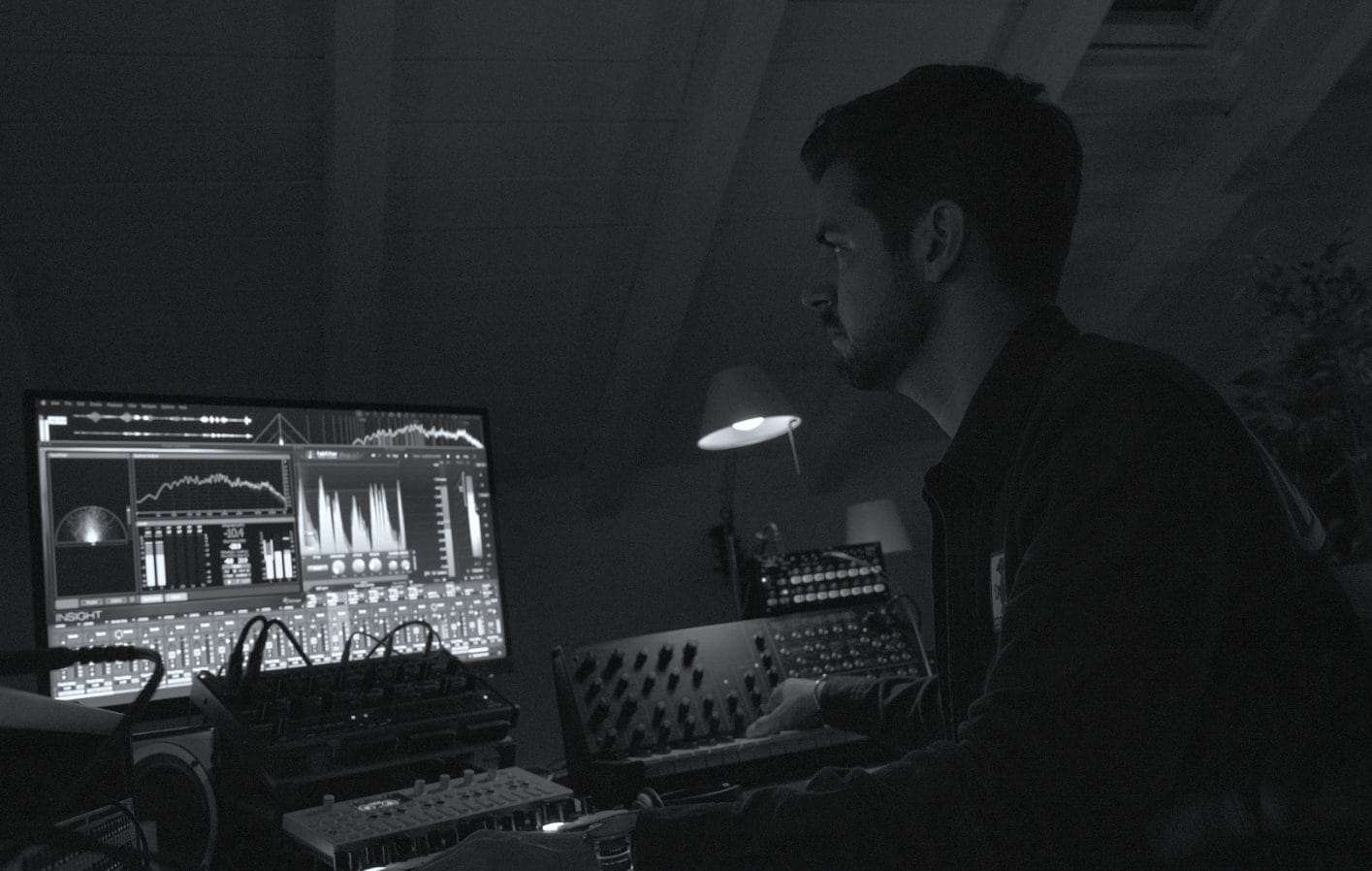
The core of the track relies on a wavetable synthesizer dubbed the “Wave Evolve Pad,” which Lang Father reverse-engineered. While it began as a standard instrument rack preset, he sought to rebuild it into something simpler that would allow the drums and bass to take center stage. The initial pad sound was merely a starting point; the true character of the instrument emerged through extensive post-processing.
“The processing was a lot of trial and error, which is a big piece of my overall process,” he explains. Using Ableton as a digital sketchpad, he layered multiple versions of the same idea, experimenting with saturators, reverbs, and compressors. A heavy dose of side-chaining was applied to the synth, creating a rhythmic bounce that leaves ample space for the percussion to flourish.
The Art of Jazz-Inflected Production
The rhythmic foundation of the track is deeply rooted in jazz. Lang Father incorporated swung rhythms on the rides and sampled stabs from jazz drum solos to give the track a human, organic feel. “I wanted to keep everything very simple and just let the groove evolve and morph,” he notes. This approach extends to the melodic structure, where he used vocal chops and saxophone lines to build complex, three-part harmonies that resolve into a final, deliberate triad.
Sonic Depth and Subterranean Textures
For Lang Father, the goal was to create a “subterranean” atmosphere. He filled the track with nearly inaudible textures—rain, club noise, and subtle percussive elements—that provide density without cluttering the mix. By utilizing tools like RC20 and cassette emulation, he achieved a rich, retro-leaning aesthetic.
His advice for producers looking to replicate this sound is simple: “Don’t be afraid to leave some dirt. Sometimes you can overmix. Sometimes you can overdevelop. Leave some mistakes sometimes and see what they turn into.” Ultimately, he emphasizes that the most important element is the “push and pull” of the rhythm, ensuring that nothing feels perfectly locked to the grid, allowing the track to breathe as a living entity.