How It Was Made: David Penn’s ‘Talk To Me’
David Penn has spent over three decades defining the sound of house music, yet his core philosophy remains unchanged: efficiency is the key to capturing inspiration. For his latest release, Talk To Me, created alongside the UK-based duo House Of Molly, Penn relied on a streamlined production setup designed to move as quickly as his ideas.
Released on Cr2 Records, Talk To Me explores the breakdown of communication in relationships, set against a backdrop of club-ready production. House Of Molly brought a unique influence to the track, drawing on early East Coast hip house to give the vocals a timeless, rhythmic quality that stands out in the modern landscape.
The Production Setup
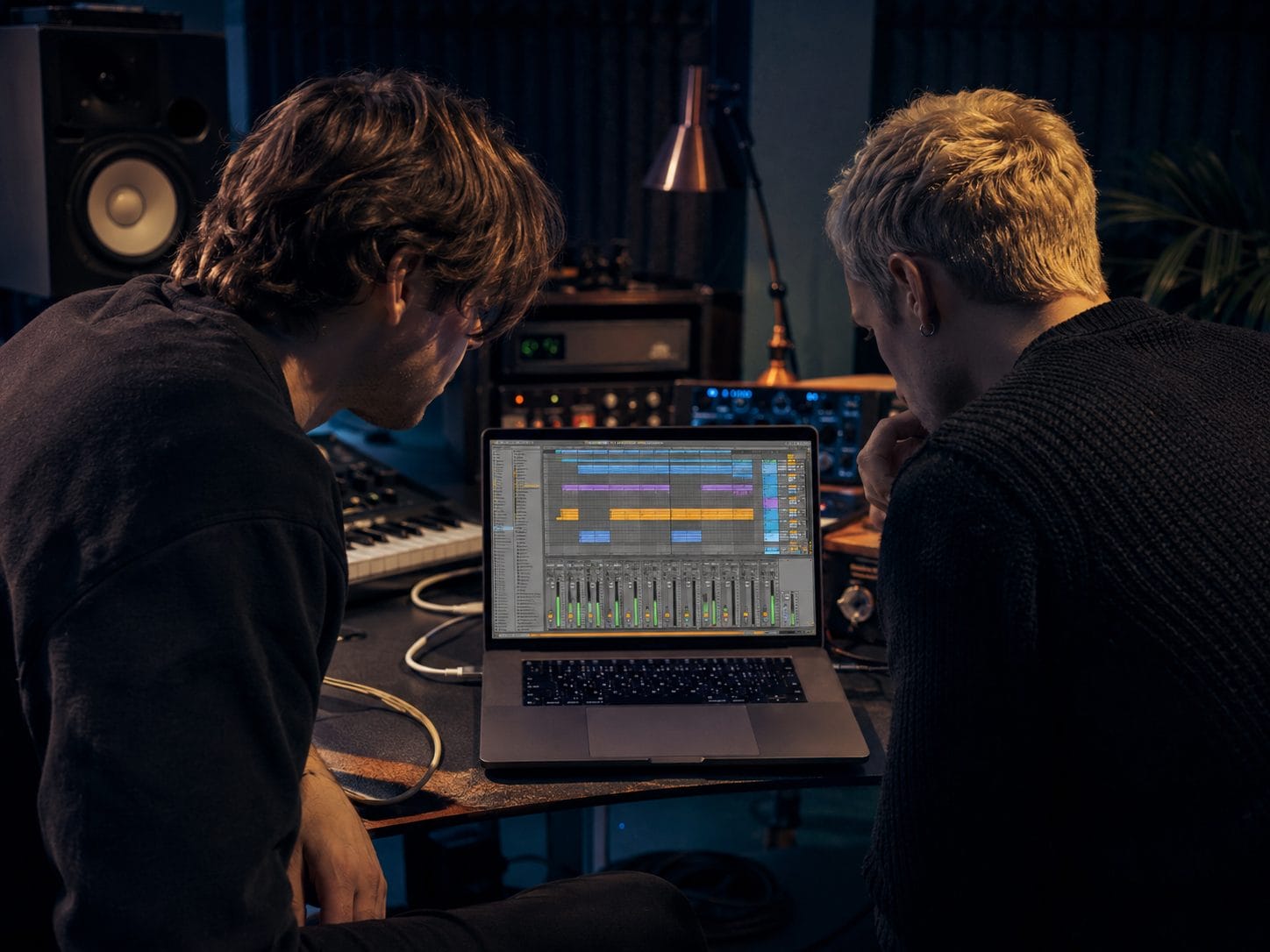
To balance the vocal-heavy arrangement with a driving low end, Penn utilized a specific chain of software tools. His primary DAW remains PreSonus Studio One 7, which he credits for its superior audio library management and stability. “The inspiration can be a couple of hours and you need to insert all your ideas really fast,” Penn explains. “This DAW accelerated the process.”
For the bassline, Penn turned to the Rob Papen SubBoomBass 2, processing it with the classic Camelphat plugin and Shaperbox 3 to ensure the kick and bass frequencies remained tight and punchy. When he requires a more organic feel, he often incorporates Waves Bass Fingers or Spectrasonics Trillian.
The track’s atmospheric elements were largely shaped by the Arturia CS-80 V, which Penn used to emulate a siren effect through pitch automation. To add rhythmic complexity, he employed AIR Stutter, a tool he finds indispensable for creating glitchy, gated textures that would have previously required tedious manual audio editing.
Mixing and Monitoring
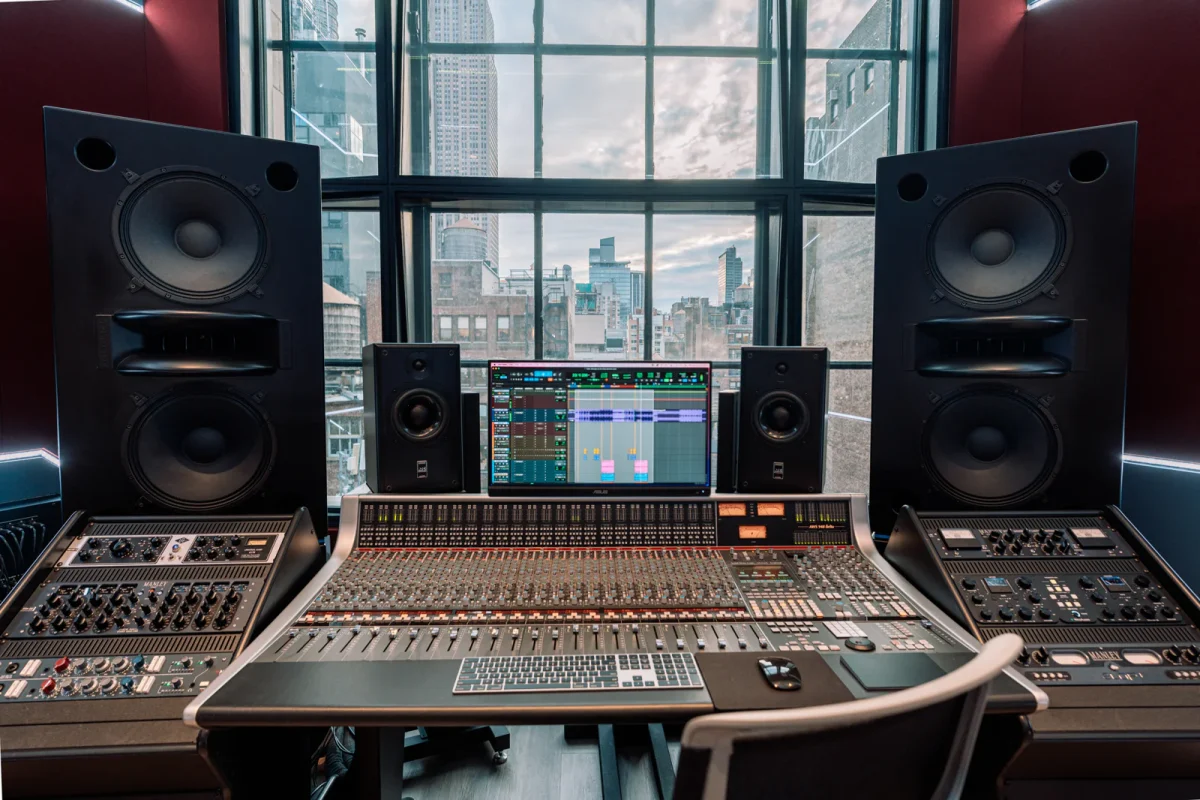
For tension and build-ups, Penn relies on Dada Life’s Endless Smile, noting that it simplifies the process of automating filters and reverbs. His mixing chain is rounded out by Overloud’s Breverb 2, a staple in his studio for its professional-grade quality. All of this is monitored through his ATC SCM45A speakers, an investment he describes as one of the best he has made for his studio.
Reflecting on his career, Penn remains critical of the current state of music production. He emphasizes the importance of being demanding with one’s work, noting that the ease of modern production has led to a saturation of unfinished ideas. Despite the pressures of social media and shifting trends, Penn continues to prioritize his own creative expression, staying true to the house music roots that have sustained his career since 1993.