
The world’s most iconic electronic dance music brand is officially arriving in Asia. From December 11–13, 2026, Wisdom Valley in the Bang Lamung district of Chonburi will host the inaugural Tomorrowland Thailand. This historic event serves as the launchpad for a five-year residency in the region, with organizers already planning to scale the festival to two full weekends starting in 2027.
Economic projections for the debut are staggering, with officials estimating a windfall exceeding 5 billion Thai baht. The sheer scale of the event has triggered a surge in travel demand, as all 50,000 daily tickets were claimed within 60 minutes of release. Attendees are arriving from 196 different nations, with a diverse demographic split that includes a quarter of the audience from Thailand, roughly 40% from the broader Asian market, and a significant contingent traveling from Europe, the Americas, and Oceania.
The influx of visitors has transformed the local hospitality landscape. Pattaya’s hotel sector is currently reporting 99% occupancy, leading to a temporary tripling of room rates. To accommodate the massive crowd, the festival has implemented a robust transit strategy, deploying 800 shuttle buses to connect the venue with key transit hubs, supported by the construction of six new access roads.
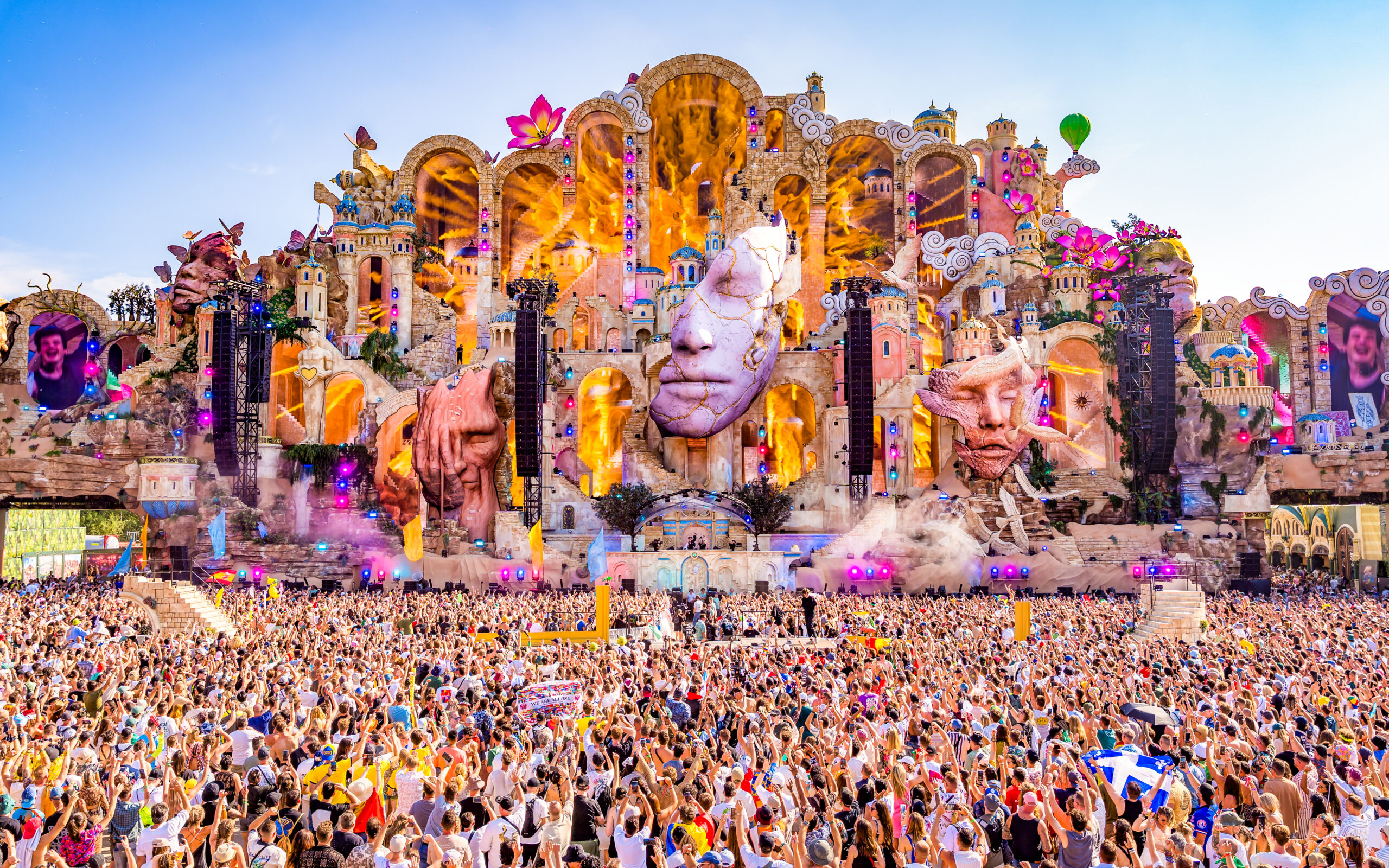
The site itself underwent a major architectural transformation to host the event. By backfilling an entire lake, engineers created a foundation capable of supporting massive, 1,000-metric-ton stage structures. The production will feature six distinct stages built around the theme of Consciencia, with a special emphasis on local integration, including the "CODEX" stage designed to mirror traditional Thai roofline aesthetics.
Operational safety remains a top priority. The festival grounds will be monitored by 300 police officers, 700 private security personnel, and an extensive network of automated cameras. Furthermore, 40 ambulances and 12 medical stations will be on-site to ensure attendee safety. Organizers have also taken a hard line on ticket security, banning transfers and requiring mandatory identity registration to combat the rise of secondary-market scams and inflated pricing.